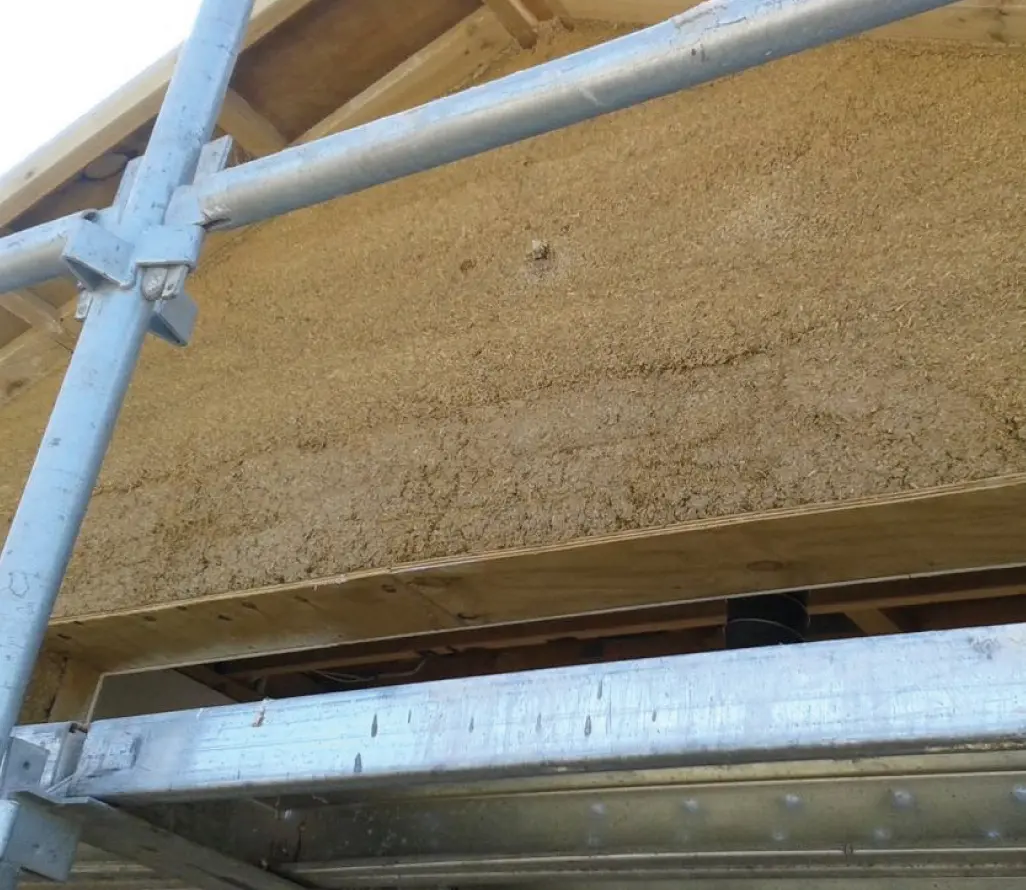
Hemp may have a low recognition factor as a building material, but some savvy early adopters are using this ancient plant for qualities such as minimal environmental impact, good acoustics and fire resistance.
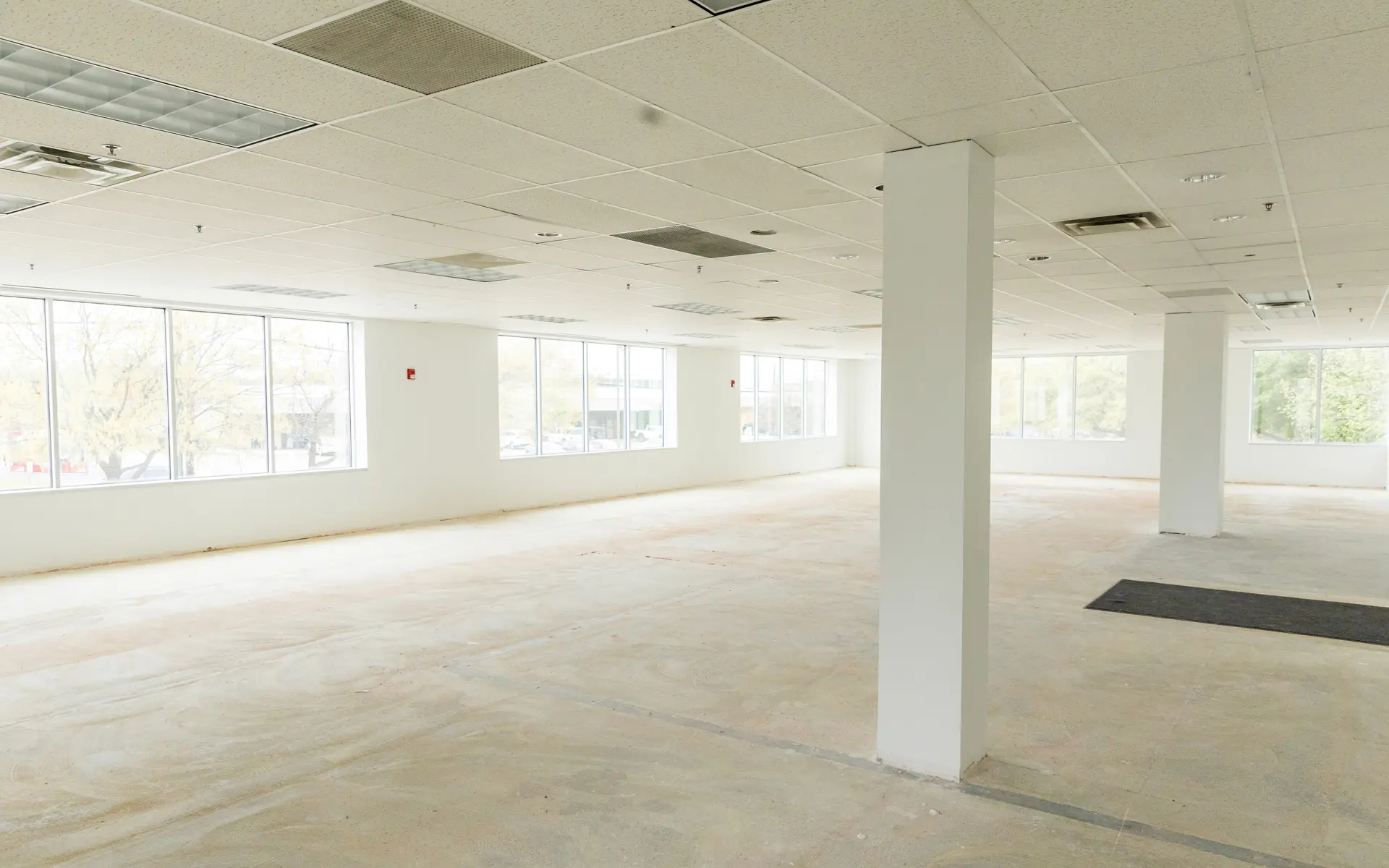
Office fit-outs, with their use of high-carbon materials and frequent refurbishments, contribute significantly to a building’s carbon footprint. How can the carbon intensity of fit-outs be reduced? BRANZ Has investigated.
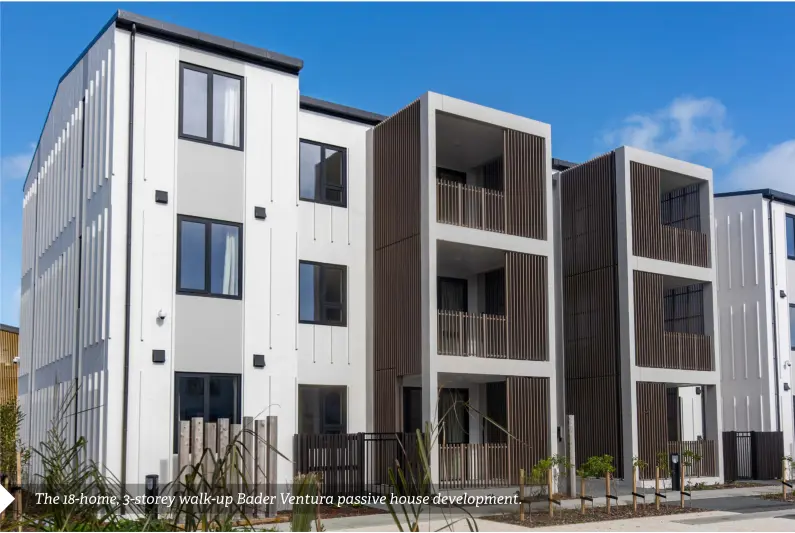
As the need to lower carbon emissions in buildings grows, research shows that, with clever choices at the design stage, substantial cuts can be made. This article lays out the evidence for reducing emissions in low-rise commercial buildings.
In coming years, we need to change how we design our buildings – specifically, to start assessing and reducing the building carbon footprint. MBIE has proposed making this mandatory within...
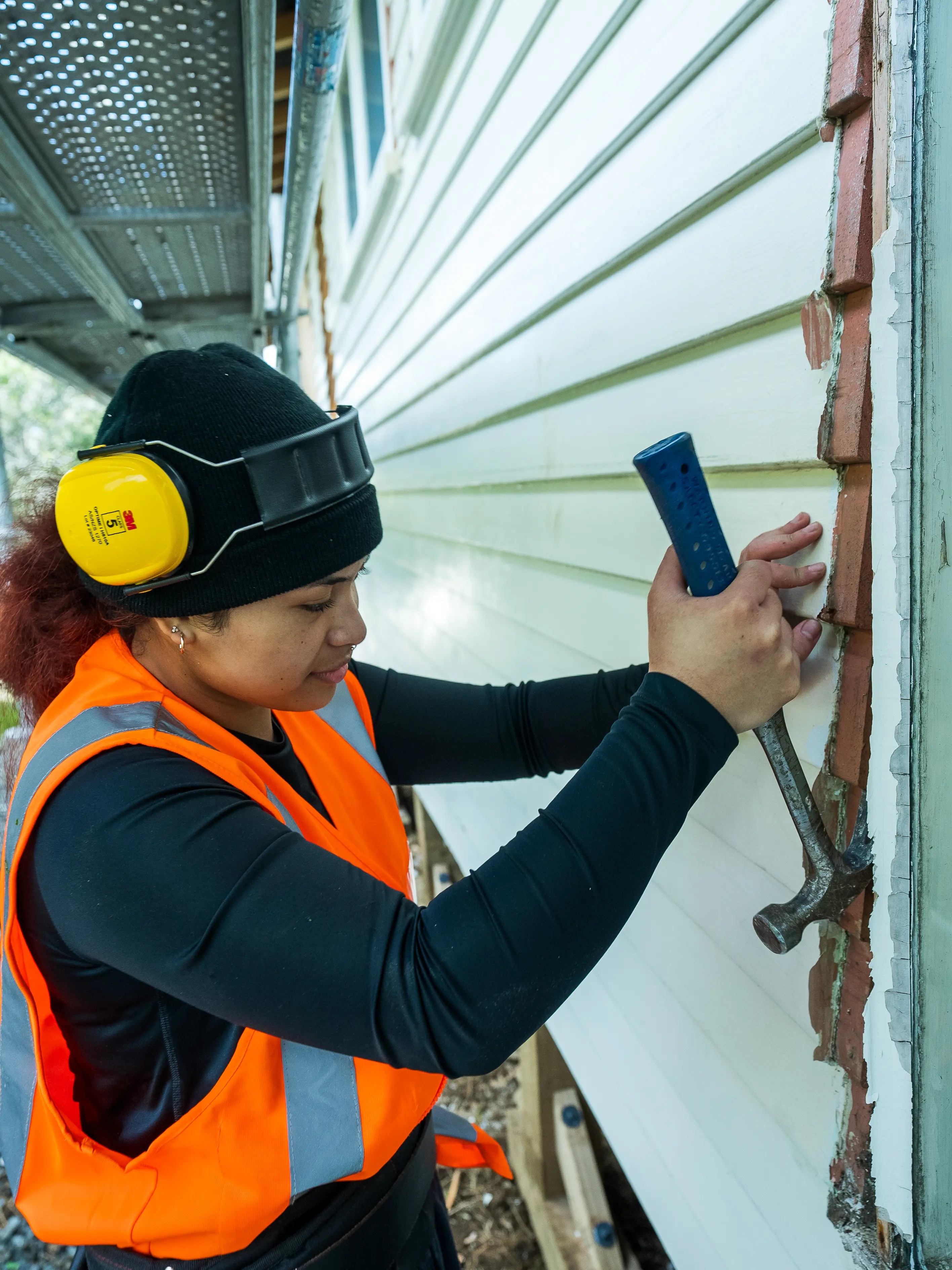
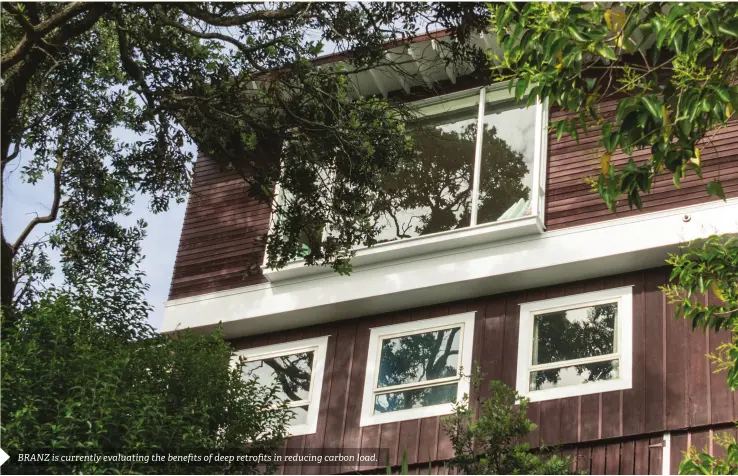
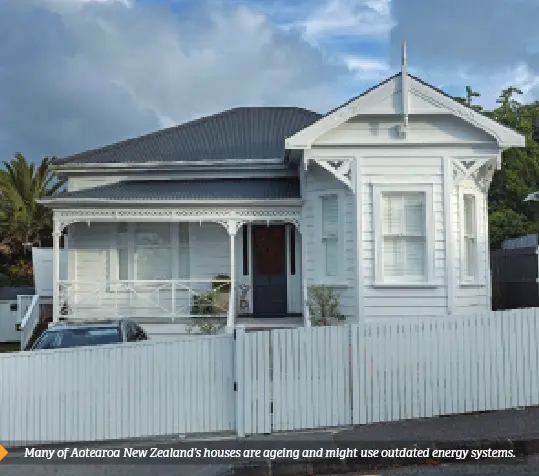
With attention turning to retrofitting existing stock, science is stepping in, showing how we can turn cold, energy-guzzling old houses into energy-efficient, warm and dry homes, says BRANZ CEO Claire Falck.
Mike Casey, Rewiring Aotearoa Chief Executive, is a passionate advocate for electrifying Aotearoa’s fossil fuel machines and is on a mission to get solar panels on every roof and batteries charging in every garage.
How much energy we use affects carbon emissions, making it important to know current levels of household energy use. BRANZ’s HEEP project looked into this but technology changes means it may be time to revisit.
A digital post-occupancy evaluation system for checking the operational performance of commercial buildings will be a useful tool as New Zealand faces the need to meet stringent carbon targets.
Is our present carrot-and-stick approach to improving sustainability in construction the right way to go? There is growing evidence that there may be faster and better ways to bring change.
While the installation of rooftop photovoltaic systems is booming, the basic technology remains much the same as it was over two decades ago. In the coming decade, that’s set to change, in part thanks to research under way in this country.
For many years, the main focus of insulation retrofits was making a home healthier and easier to keep warm. Today, however, reducing operational greenhouse gas emissions has become a key driver. The pressure to speed up retrofits of our existing housing stock is growing.
As summer draws to a close, many Kiwis continue to struggle with overheating homes. Fingers have been pointed at the minimum insulation requirements in clause H1 Energy efficiency of the New Zealand Building Code, but the problem is complex. BRANZ research is laying the foundations for solutions.
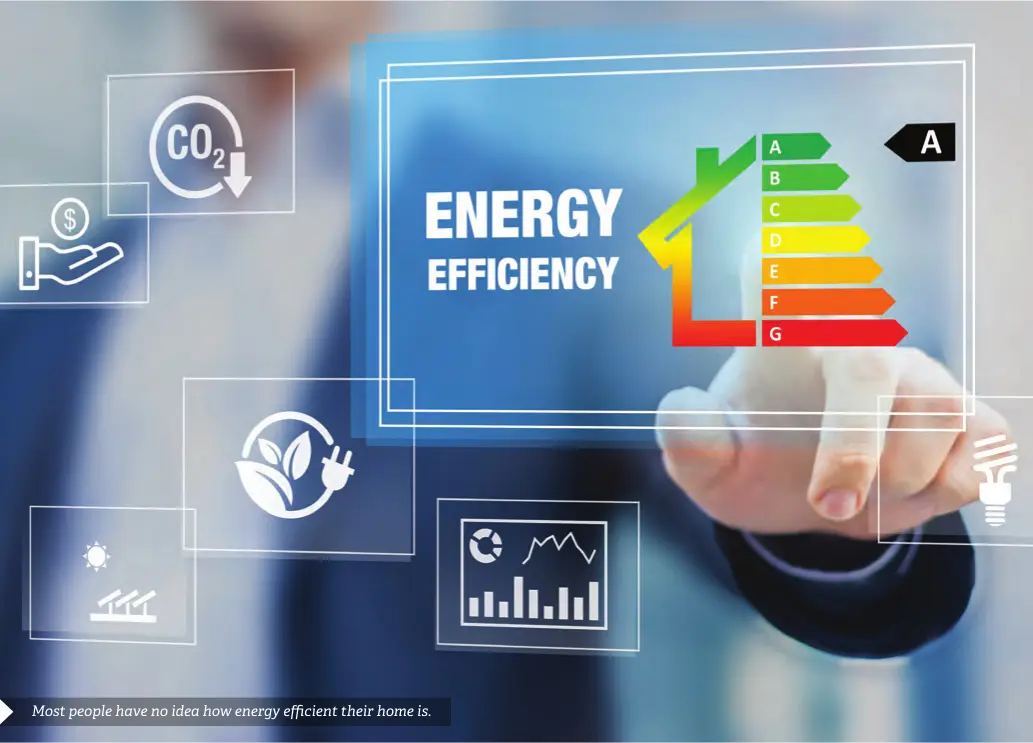
The significant impact of the building sector on the environment justifies the need to strengthen energy efficiency strategies for both new and existing building stock. While building performance guidelines and requirements have been established for new construction, existing building stock remains a challenge.
As residential solar photovoltaic (PV) systems become more affordable and households seek to curb rising living costs, could we see a surge in homeowners investing in the technology?
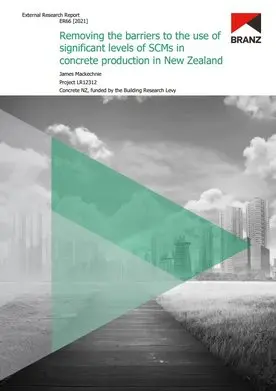
This research was undertaken to identify ways of reducing barriers and risks in using significant levels of supplementary cementitious materials (SCMs) in concrete production within New Zealand. Use of these...
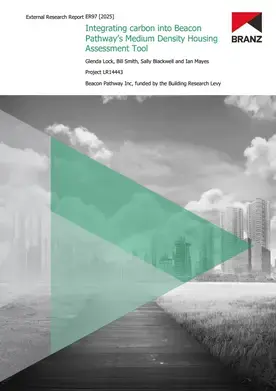
This research developed an existing resource, the medium-density housing (MDH) assessment tool, to include assessment components and recommendations to reduce greenhouse gas (GHG) emissions. The aim is to assist developers...
To realise Aotearoa New Zealand’s zero-carbon aspirations, the industry needs to rethink its assumptions about what materials should be used in the built environment. This can be achieved by engaging...
This report provides information about the development of the Easy Guide to Being a Climate-Friendly Kiwi [withdrawn] - a mitigation tool to help the building and construction industry prepare for...
While greenhouse gas emissions from combustion of fossil fuels (fossil carbon) are a significant contributor to climate change, there is another type – biogenic carbon – that is attracting growing interest.
Massey University and BRANZ are collaborating on developing carbon budgets for our built environment. These must decrease as more time is taken to decarbonise. Why do budgets change and why the need for urgent action?
A recent case study used life cycle assessment (LCA) to compare the embodied and operational carbon attributes of both a timber-framed house and a light steel-framed house.
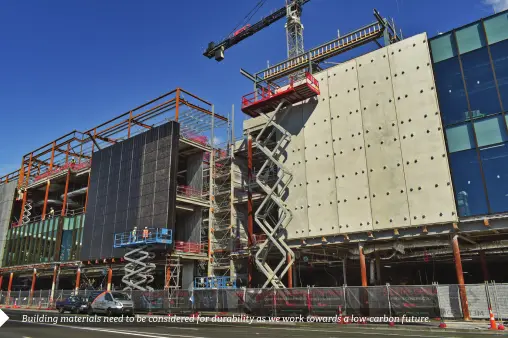
To combat climate change, the Aotearoa New Zealand Government has committed to a zero-carbon target by 2050. With the construction sector contributing approximately 20% of the nation’s carbon emissions, it must play its part in delivering this bold, critical and long-term emissions reduction target. But how?
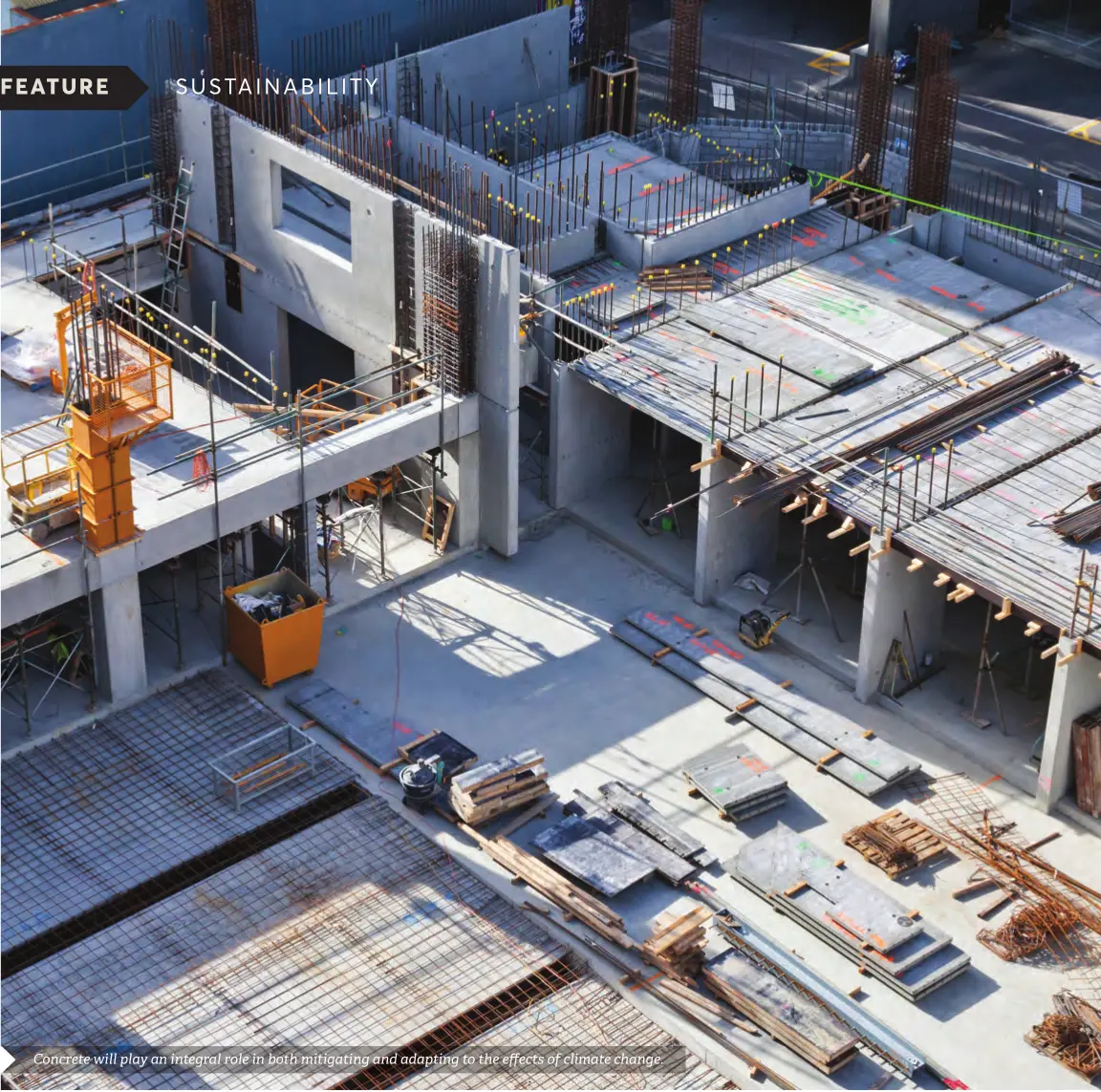
Aotearoa New Zealand’s concrete industry has signalled its intention to reduce emissions in its newly released decarbonisation plan – a Net-zero Carbon Concrete Industry for Aotearoa New Zealand: Roadmap to 2050.
During 2023, BRANZ was part of a research team that delivered an innovative project to explore application of a new dynamic approach to embodied carbon footprint calculations in Aotearoa New...
In an initiative endorsed by MBIE, BRANZ and CIL are establishing a single-source-of-truth national carbon data repository for use by designers assessing the carbon footprint of their buildings.
This study focuses on the embodied carbon contribution that building services can make to the carbon footprint of New Zealand residential and office buildings.
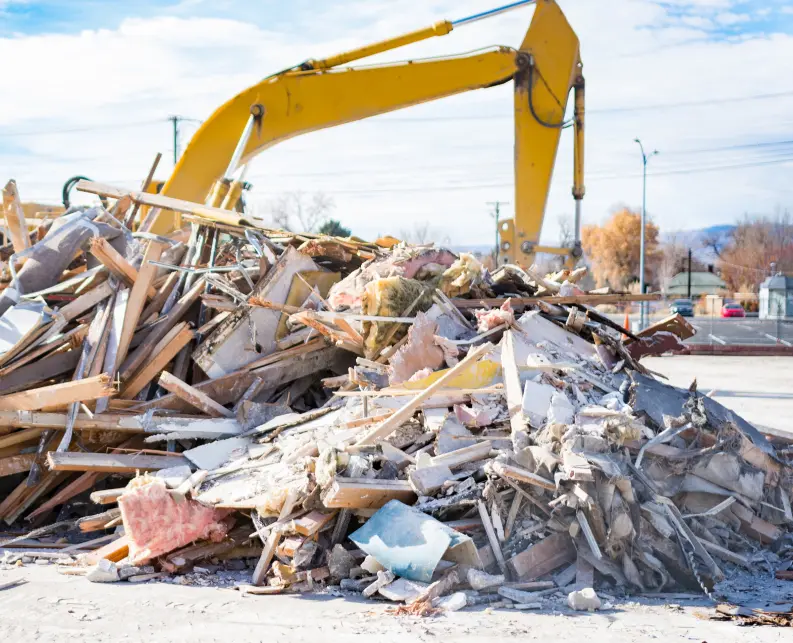
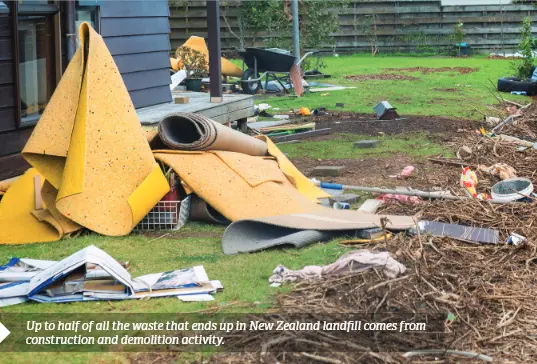
The building industry is a major contributor to landfills in Aotearoa New Zealand. A study found that designing out the greenhouse gas emissions from waste construction products could help in paving the way to a low-carbon circular economy.
Imagine construction as part of a more resilient and circular economy – where waste is minimised, resources are valued and sustainability is the standard, not the exception. That’s a project BRANZ is working towards.
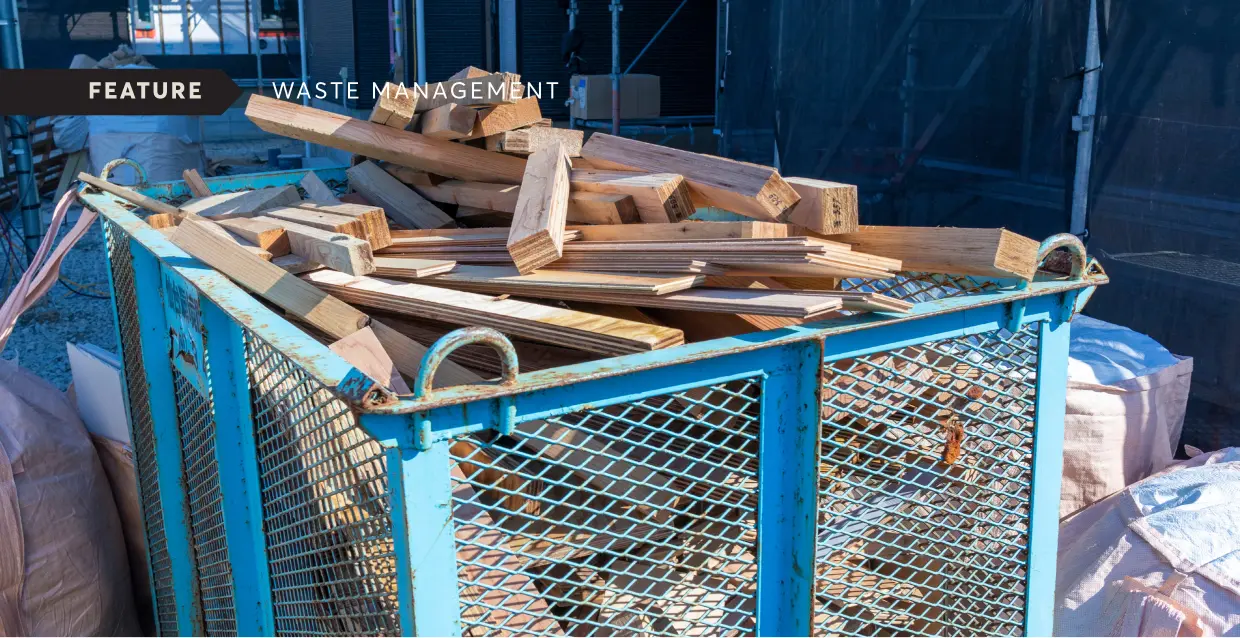
Naylor Love’s sustainability strategy reduced operational costs by diverting over 90% of the construction waste from a major project away from landfill. So how did they do it?
The circular economy could reduce 75% of the built environment’s carbon emissions by cutting carbon levels in materials production and keeping materials in the loop through reuse and recycling.
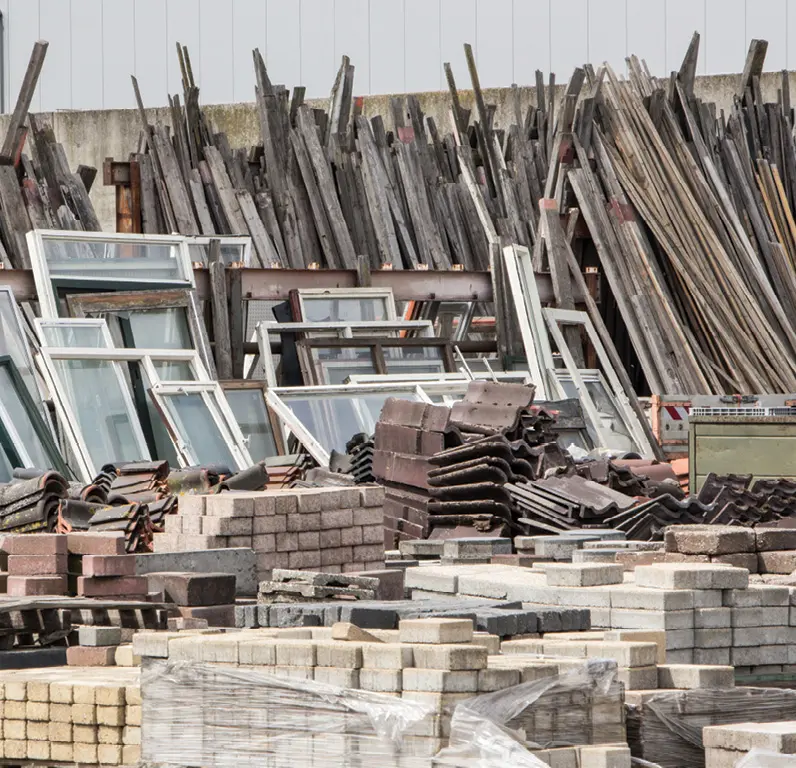
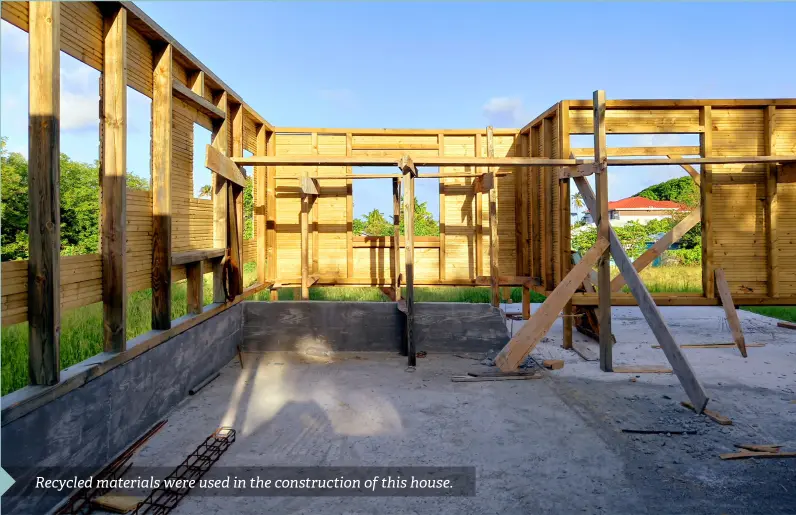
The notion of the circular economy is taking hold in the construction sector as understanding of the value of reuse, sustainability and resilience grows.
As the construction sector takes its first tentative steps toward a circular economy, could emerging technology provide the catalyst to get the transition moving?
The construction sector is a significant emitter of greenhouse gases (GHGs). Globally, buildings are responsible for approximately 40% of carbon dioxide (CO2) emissions. The construction sector in Aotearoa New Zealand accounts for 20% of the country’s total GHG emissions.
REBRI: Reducing building material waste is an education resource and toolbox to enable action on waste by the construction sector. REBRI stands for resource efficiency in the building and related...
Two pages of the best tips from the REBRI Guide to C&D Resource Recovery series on timber. Features: What is waste timber good for? What’s involved? Some things to think...
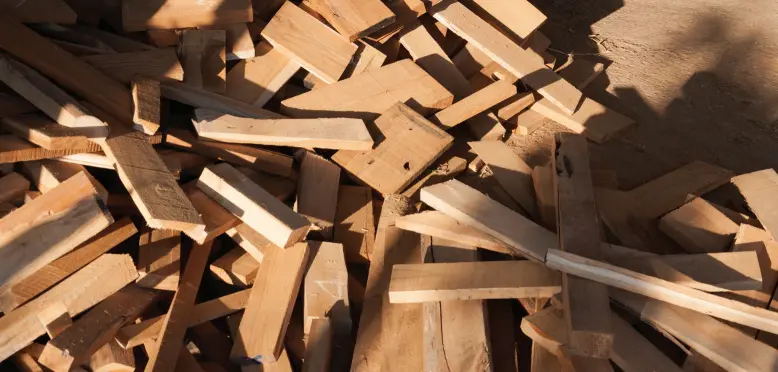
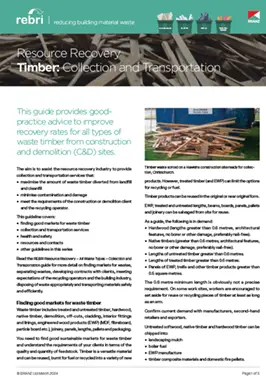
This guide provides good practice advice to improve recovery rates for all types of waste timber from construction and demolition (C&D) sites. The aim is to assist the resource recovery...
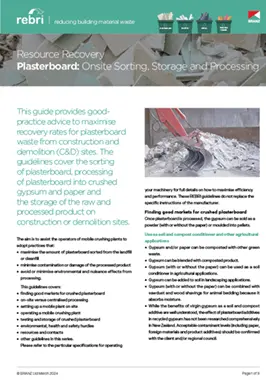
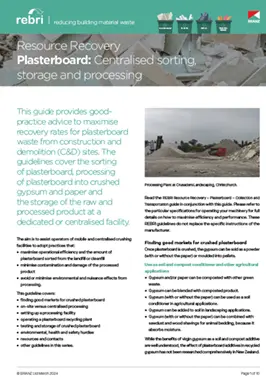
This guide provides good practice advice to maximise recovery rates for plasterboard waste from construction and demolition (C&D) sites. The guidelines cover the sorting of plasterboard, processing of plasterboard into...
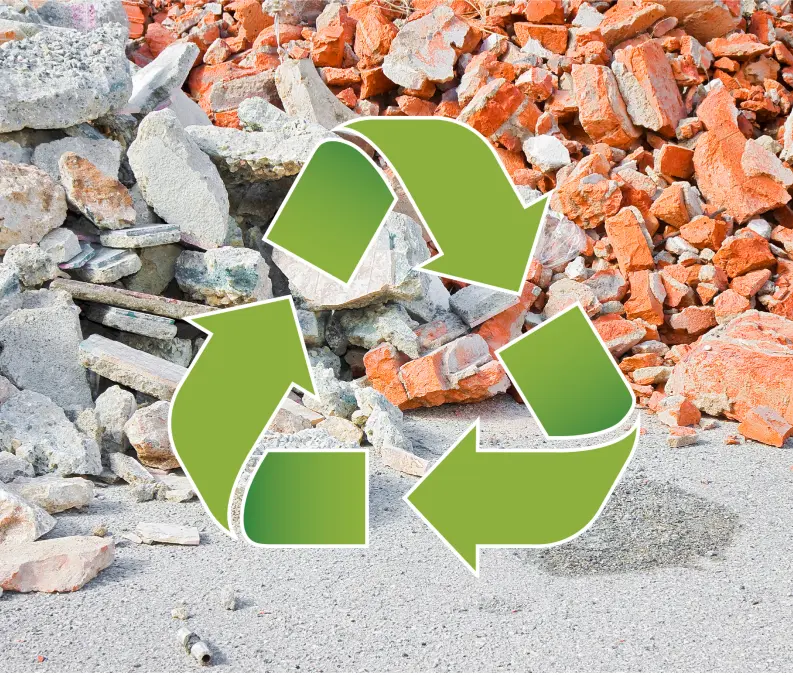
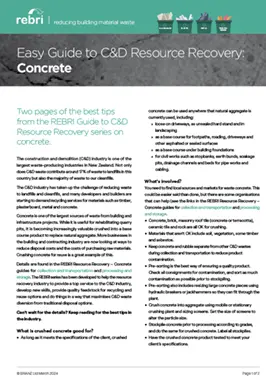
Two pages of the best tips from the REBRI Guide to C&D Resource Recovery series on concrete. Features: What is crushed concrete good for? What’s involved? Examples from those out...
This project is aimed at providing improved information on timber waste generation both in building construction and demolition (C&D), including composition and typical fate of timber C&D waste, to supplement...
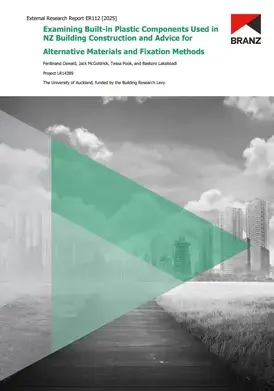
This research examined the plastic components procured for a case study building construction site in Auckland and other commonly used plastic building components. Each component was evaluated in terms of...
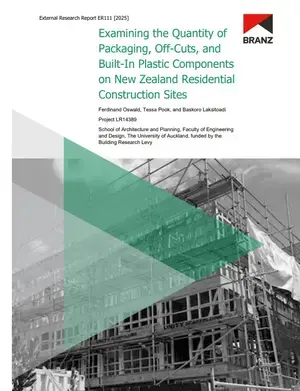
This research examined the materials procured for a case study building construction site at 40 Titirangi Road, New Lynn, Auckland, and the rate at which they became waste during construction....
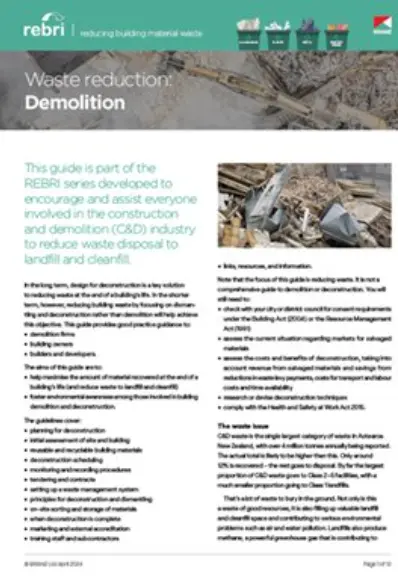
This guide is part of the REBRI series developed to encourage and assist everyone involved in the construction and demolition (C&D) industry to reduce waste disposal to landfill and cleanfill....
This guide is part of the REBRI series developed to encourage and assist everyone involved in the construction and demolition (C&D) industry to reduce waste to landfill and cleanfill. It...
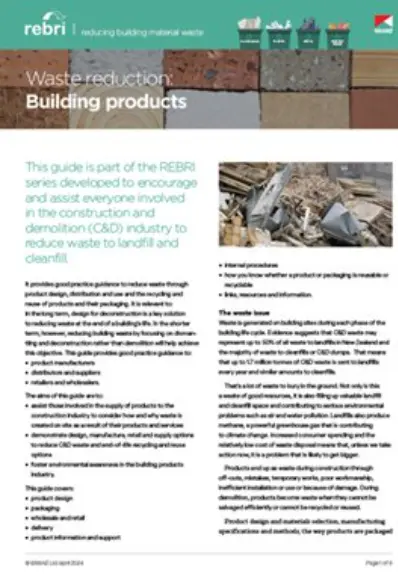
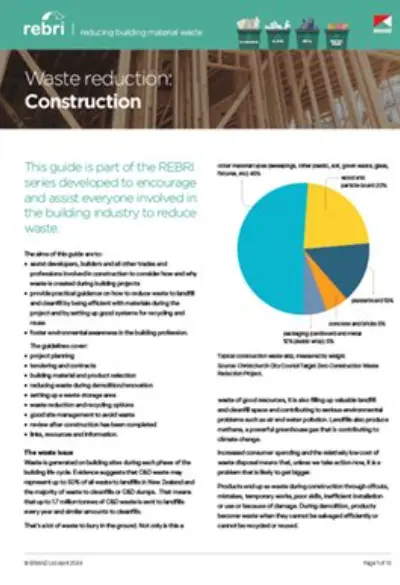
This guide is part of the REBRI series developed to encourage and assist everyone involved in the building industry to reduce waste. The aims of this guide are to: assist...
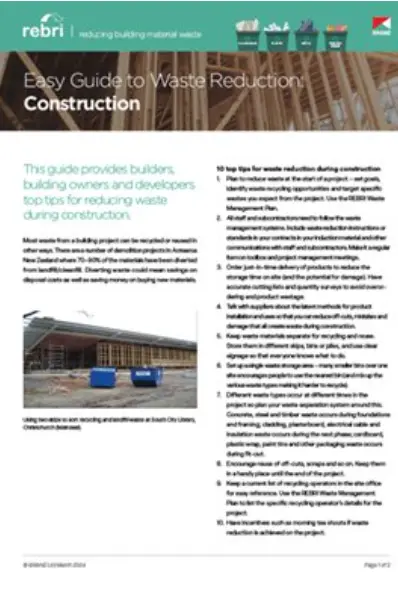
This guide provides builders, building owners and developers top tips for reducing waste during construction. Features: 10 top tips for waste reduction during construction Benefits of reducing waste during construction
This guide provides businesses involved in the manufacture, distribution and sale of products to the building industry with top tips for reducing waste during construction and demolition. Features: 11 top...
This guide provides good practice advice to maximise recovery rates for waste timber from construction and demolition (C&D) projects by improving shredding and screening processes. The guidelines cover the processing...
Good-quality virgin aggregates for concrete are becoming harder to obtain easily in some areas of New Zealand, especially Auckland.This report discusses the results of an investigation into the properties of...
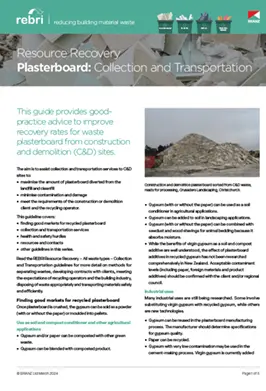
This guide provides good practice advice to improve recovery rates for waste plasterboard from construction and demolition (C&D) sites. The aim is to assist collection and transportation services to C&D...
This guide provides good practice advice to maximise recovery rates for plasterboard waste from construction and demolition (C&D) sites. The guidelines cover the sorting of plasterboard, processing of plasterboard into...
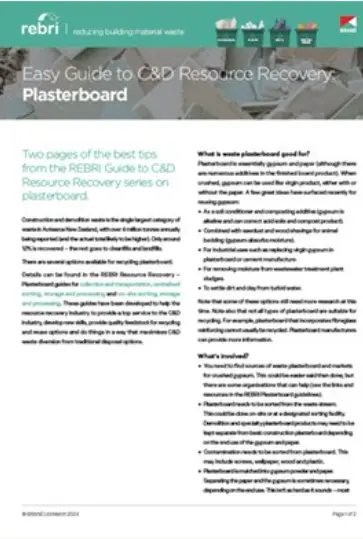
Two pages of the best tips from the REBRI Guide to C&D Resource Recovery series on plasterboard. Features: What is waste plasterboard good for? What’s involved? Some things to think...
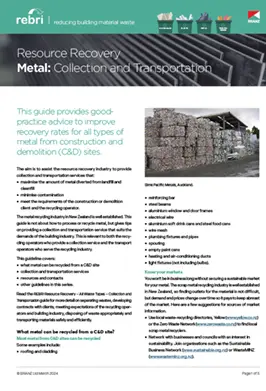
This guide provides good practice advice to improve recovery rates for all types of metal from construction and demolition (C&D) sites. The aim is to assist the resource recovery industry...
Two pages of the best tips from the REBRI Guide to C&D Resource Recovery series on metal. Features: What type of metals do you find in C&D waste? What’s involved?...
This guide provides good-practice advice to maximise recovery rates for concrete from construction and demolition (C&D) projects by improving crushing, screening and stockpiling processes. The aim is to assist the...
This guide provides good practice advice to maximise recovery rates for concrete from construction and demolition (C&D) projects by improving crushing, screening and stockpiling processes. The aim is to assist...
This guide provides good practice advice to maximise recovery rates for all types of waste materials from construction and demolition (C&D) sites. The aim is to assist the resource recovery...