

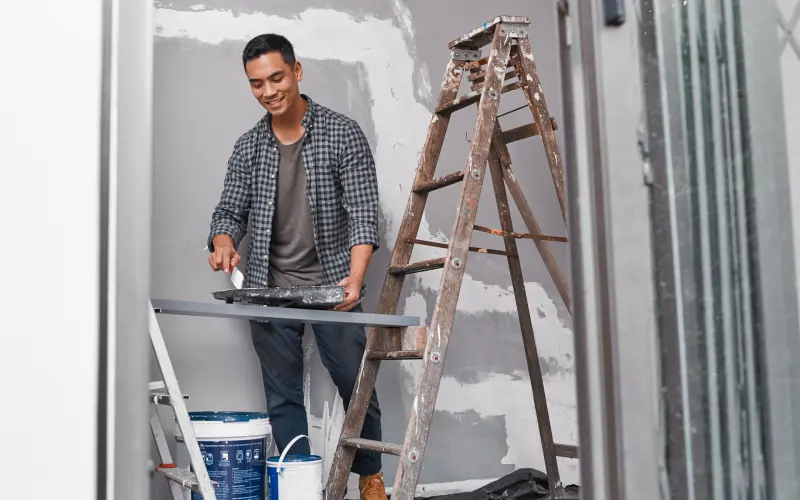


Real estate, home improvement and reality TV are a match made in bingeable streaming heaven. And while there are literally hundreds of these shows highlighting the stuff of dreams – or nightmares – when it comes to renovation, it’s often all just skin deep. Yes, a prep kitchen might be lovely, but what about upgrading the insulation?
In an ideal world, the focus of renovation and retrofitting would be on how we can make homes warmer, drier and healthier, particularly as we transition to a zero- carbon economy.
The renovation reality TV show I’d really like to see would be all about the science, not the looks! The focus would be on how a home can be retrofitted to reduce energy consumption, lower greenhouse gas emissions and promote sustainability. It would go something like this ...
Energy efficiency improvements
Who doesn’t want to save money? With electricity prices on the increase, upgrading insulation, windows, doors and efficient heating and ventilation systems to improve energy efficiency must be a no-brainer, especially if it leads to reduced energy consumption.
Examples could include enhancing an existing building envelope by upgrading roofs, walls and windows to reduce heat loss and air leakage, resulting in a well- insulated and airtight building. And with the proper ventilation systems, not only is less energy used for heating and cooling,
but the health and wellbeing impacts on its occupants cannot be underestimated.
Then there’s the prospect of utilising the Internet of Things (IoT) and AI to take your home well and truly into the 21st century. A retrofit project can also take advantage of new-era smart-building technologies such as energy management systems, occupancy sensors and advanced controls – all potentially available at the touch of a smartphone app!
Renewable energy integration
Imagine being able to include the installation of renewable energy systems like solar panels or wind turbines. The technology is available and coming down in cost. By generating their own clean energy, retrofitted buildings can contribute to an overall reduction in greenhouse gas emissions.
Sustainable materials and practices
By incorporating sustainable construction materials and practices such as recycled or eco-friendly materials, a retrofit project can potentially support a circular economy and reduce its environmental impact.
Long-term sustainability
Retrofitting to extend the life of existing buildings makes sense. With proper planning and sound design choices, it can be more sustainable than demolishing and rebuilding. By making older structures more energy efficient and environmentally friendly, they continue to serve their purpose for longer without needing new construction.
These are features that would make my heart sing as they would significantly improve the quality of our existing housing stock. And making good design choices and the science that supports them is where BRANZ comes in.
BRANZ continues to be instrumental in capturing the data and insights to support just such an approach.
Late last year, we kicked off our Home Energy End-use Project 2 (HEEP2). This involves the detailed monitoring of energy use and indoor conditions in over 300 households around the country over a 12-month period. It’s all about understanding how, when, where and why energy is used. An additional 130 households are participating through surveys and granting access to metered electricity data.
This project builds on the success of HEEP1, which ran from 1995 to 2010 and improved understanding of the performance of housing in Aotearoa. The HEEP1 findings are still in use today and have helped inform developments of the Building Code (including clause H1 Energy efficiency) and retrofit programmes such as EECA’s Warm Up New Zealand and Warmer Kiwi Homes.
BRANZ is confident HEEP2 will be similarly successful and its findings will identify and drive innovative solutions to further improve energy efficiency.
Here’s to the science that proves retro is cool!