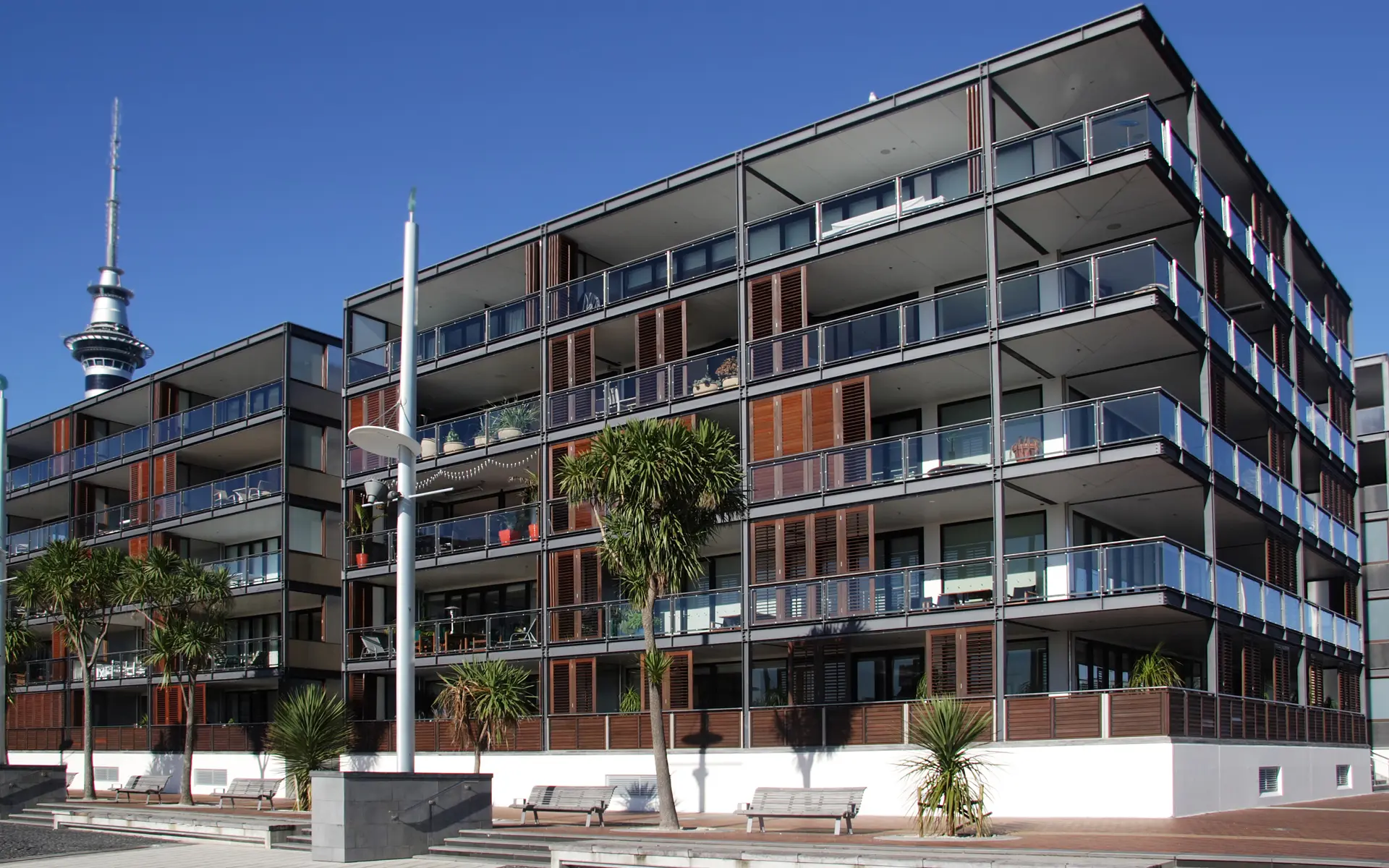
This study sought to measure the airtightness of a number of apartment buildings with the aim of getting some indicative sense of the level of airtightness being provided by the...
There is a clear need to provide easier means to insulate walls in New Zealand, given the number of houses in the stock that remain uninsulated. Loose-fill insulation is one...
This study aims to provide updated guidance on the role of vapour control layers in New Zealand walls.A series of wall specimens were installed into a BRANZ test building that...
This paper explores the weathertight performance of the downturned legs of flashings. The weathertightness of window head flashings has recently been questioned. They are more often procured from a limited...
Capillary grooves (more commonly referred to as weather grooves) have been formed into the lap joints in timber weatherboards in New Zealand from the late 1970s to this day. They...
This paper examines the weathertight performance of three common junctions in wall claddings and the approach taken to flashing these joints in New Zealand residential buildings. It makes a start...
BRANZ research into the airtightness of apartment buildings has led to a recommendation that residential buildings are mechanically ventilated and are built to an airtightness target.
How much energy we use affects carbon emissions, making it important to know current levels of household energy use. BRANZ’s HEEP project looked into this but technology changes means it may be time to revisit.
This project measured the airtightness of multi-unit residential buildings and compared these with the existing data on housing airtightness. We know our houses are being built more airtight, but what...
The research assessed risks of moisture ingress into retrofitted wall insulation when the underlay is either absent or compromised by installation holes drilled through cladding. The project provided guidance for...