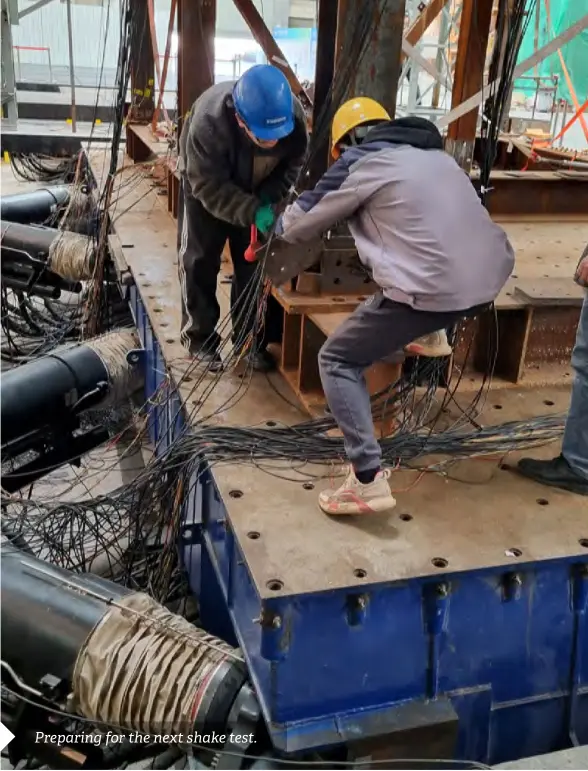
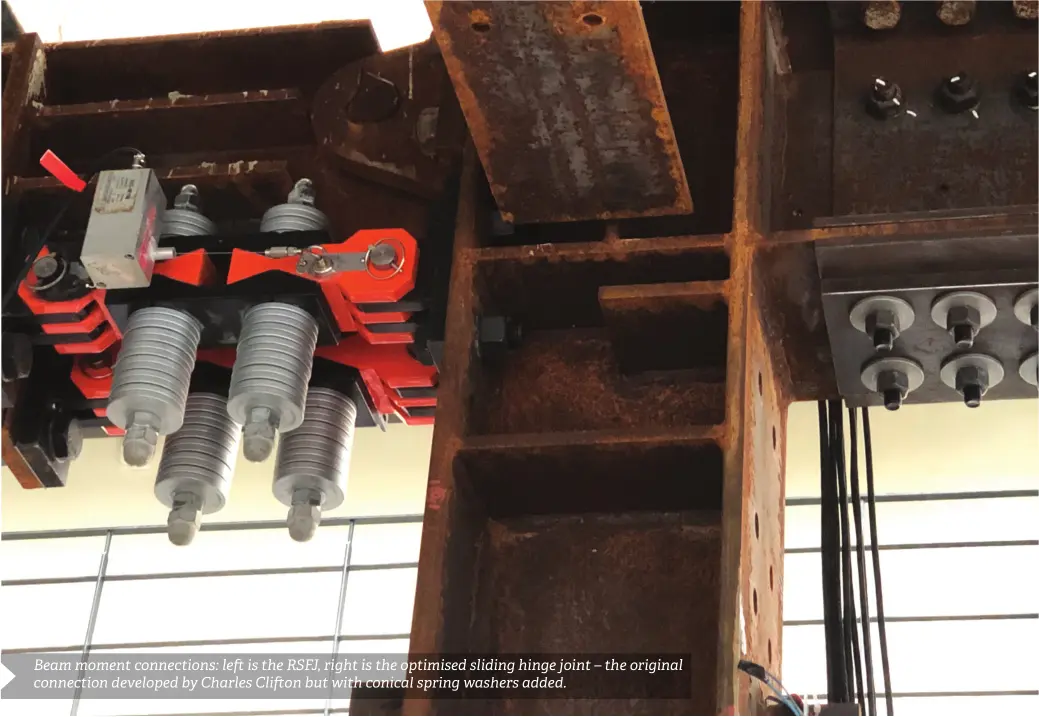
In Build 201, we reported on collaborative international research (dubbed ROBUST) under way at state-of-the-art facilities in China to test the seismic performance of sliding or friction connections in a building.
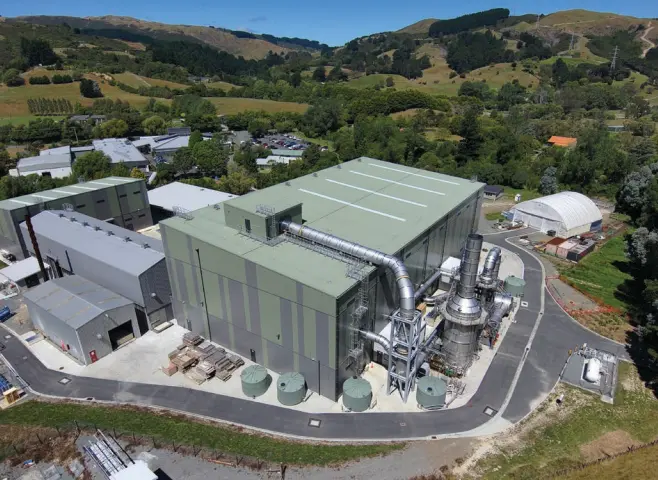
In conventional building designs, key skeletal elements such as beams and columns bear the brunt of seismic forces. If these elements need repairing after an earthquake, it’s typically costly and disruptive. Collaborative research is shifting the focus – and changing the game – for buildings in quake-prone areas worldwide.
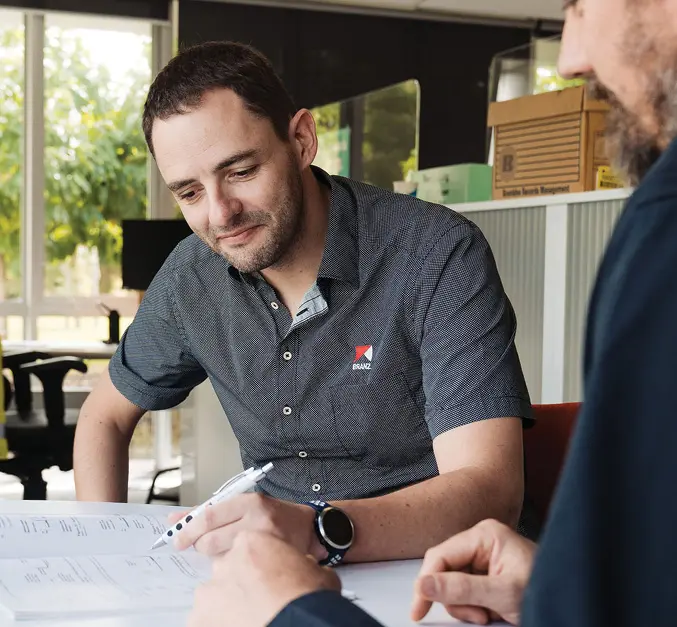
If you’re a designer or builder in need of advice, chances are you’ve been on the phone with BRANZ helpline technical advisor Phil McNamara. It’s a responsibility that Phil relishes – knowing he’s backed by expert colleagues, 25 years of hands-on building experience and an appetite for continuous learning.
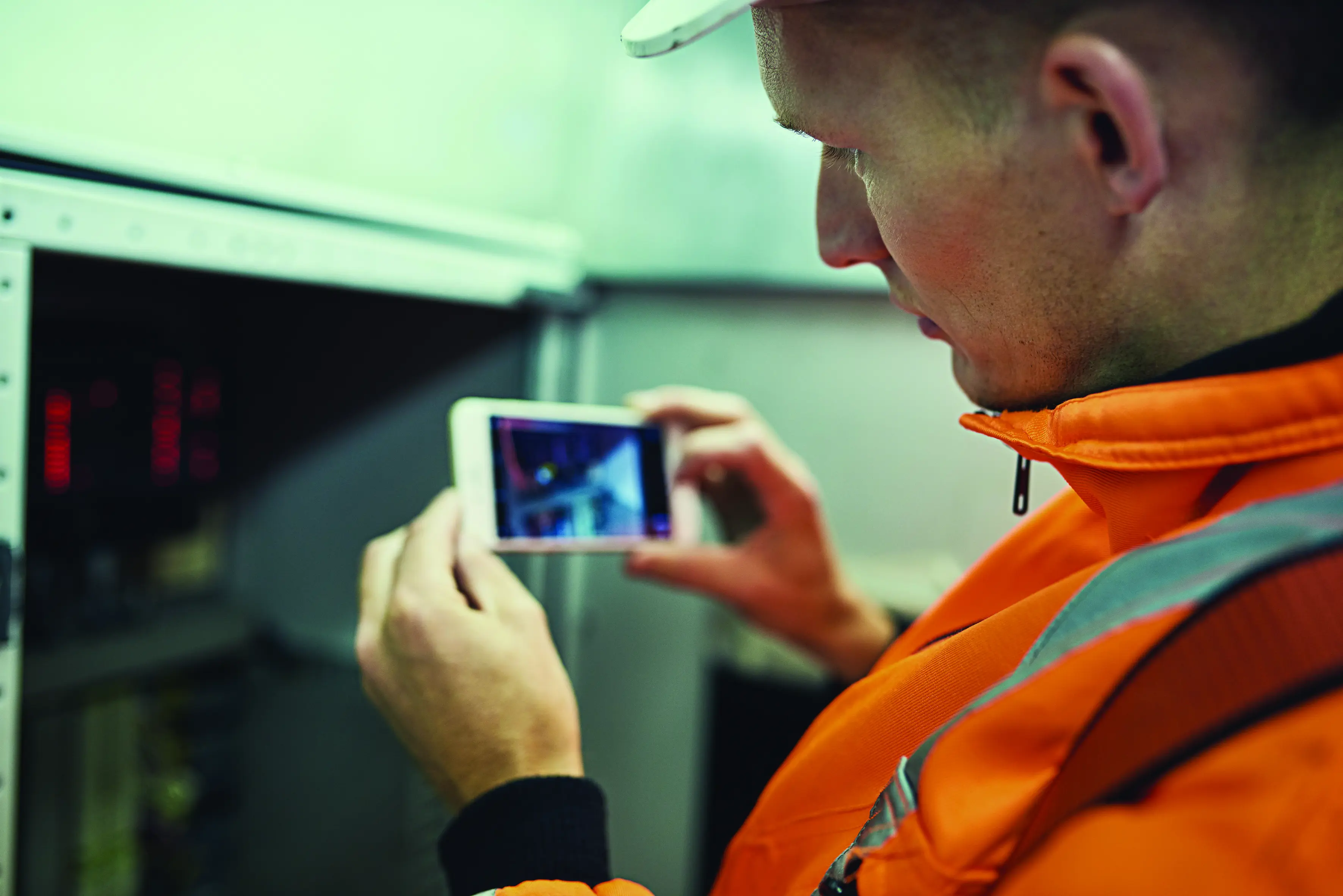
Building Technologist André de Klerk forms a critical connection between BRANZ’s experts and building product manufacturers and suppliers serving the Aotearoa New Zealand and Australian markets. Managing his clients through the BRANZ Appraisal process is just the beginning of a long-term relationship focused on helping them get where they want to go.
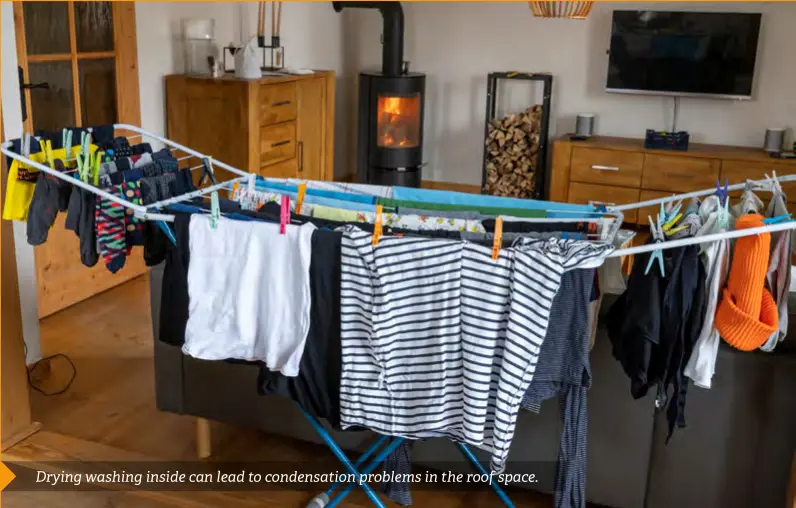
As winter sets in and temperatures drop, there’s an increasing risk that moisture will condense in the roof space and cause problems. The source of the moisture – and therefore the solution – isn’t always obvious.
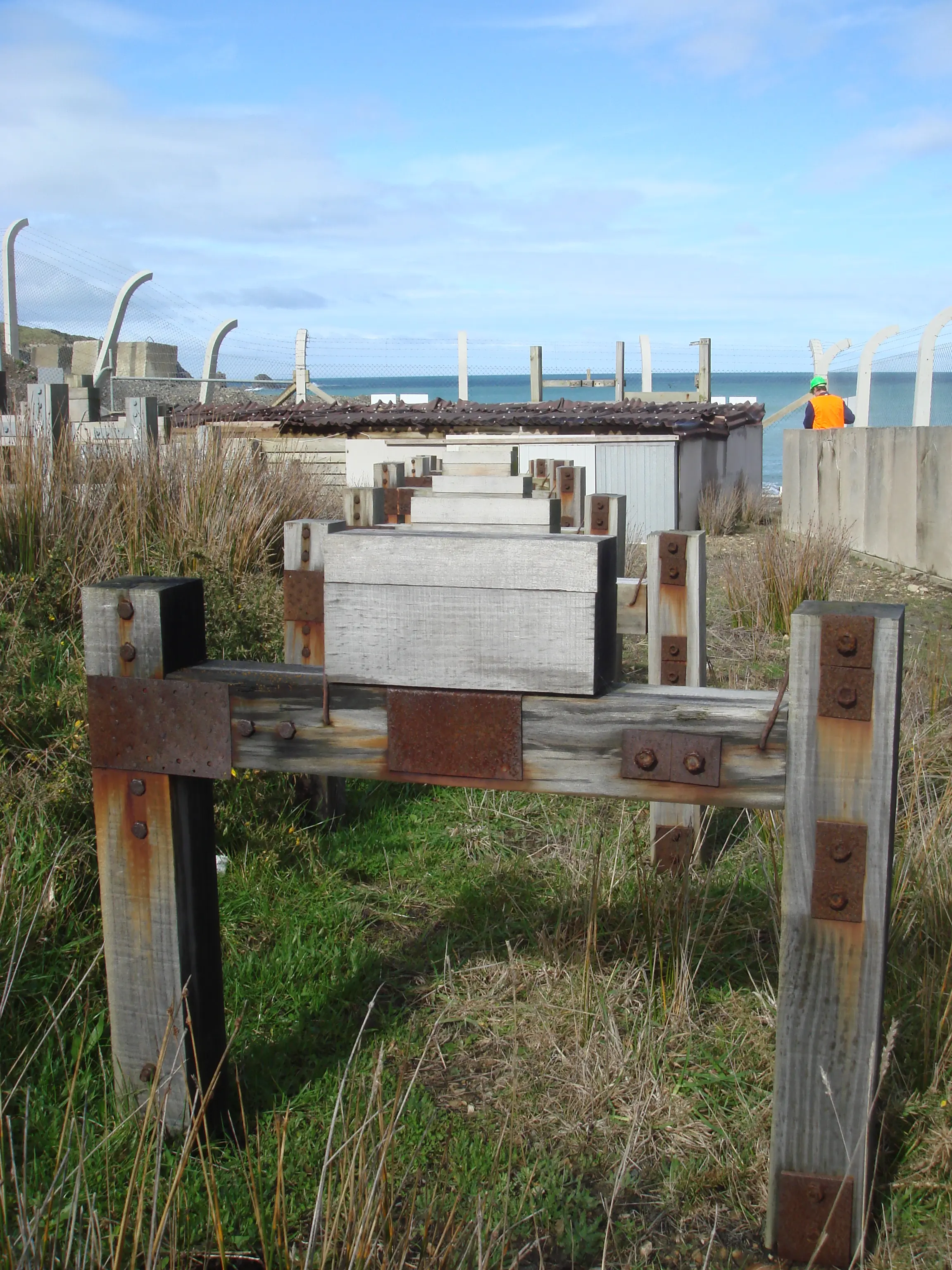
At around 25 carefully chosen sites around Aotearoa New Zealand and offshore, metal building materials are systematically exposed to nature’s harshest conditions. It’s all in the interests of safe, durable and fit-for-purpose homes and buildings.