

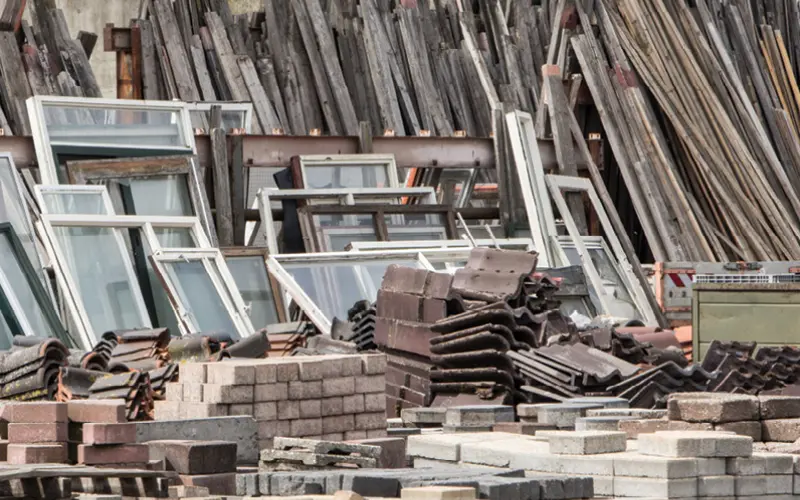


The challenges facing the construction sector include rising costs, addressing climate resilience and reducing environmental impact. The solution may be transitioning to a circular economy – a model that retains, recovers and regenerates resources to add long-term value while enabling more sustainable development.
BRANZ circular economy project
BRANZ is leading a new Levy-funded research initiative to translate the circular economy from high-level theory into practical strategies the construction sector can apply now. The goal is to make circularity accessible, implementable and valuable for construction practitioners by providing proven examples and ways for change.
The project will:
- understand the current role of circular economy practices in Aotearoa New Zealand’s construction sector
- identify opportunities where BRANZ can offer tools, expertise and leadership to accelerate uptake.
This will create impact pathways ensuring better collaboration between the waste and construction sectors. The outcomes will inform policy and provide practical tools and training to the industry to ultimately reduce construction waste and promote sustainable building practices.
Key activities include:
- mapping current industry behaviours and initiatives already implementing circular construction practices
- evaluating workforce skills, competencies and training gaps relevant to circular construction
- studying the construction system life cycle – from planning to demolition – to see where circular principles are being applied and where further value can be found
- analysing business models, including those that embrace circular economy principles, to understand where comparisons, opportunities and challenges are for construction businesses.
The project will also showcase lessons from how international best-practice circular economy innovations can be supported in Aotearoa. By studying how other countries innovate, BRANZ hopes to adapt global insights for local benefit.
Additionally, the project will pilot hands-on tools that bring circular concepts to life. Examples include:
- trialling the BRE SmartWaste tool, widely used in Europe to help construction companies monitor, manage and reduce waste
- conducting a nationwide circularity assessment to evaluate where Aotearoa currently stands regarding the circular construction economy
- enhancing the REBRI Resource Recovery Map with circular economy layers that help users identify materials recovery and reuse opportunities.
Through these initiatives, BRANZ will equip the construction sector with clear, actionable solutions to adopting circular practices at scale.
Building impact
This work is about more than research – it’s about building an impact pathway for change. By combining strategic collaboration with a commitment to industry-led innovation, BRANZ aims to:
- reduce construction waste
- improve long-term sustainability
- support Aotearoa’s transition to a zero-carbon future.
Circular construction isn’t a far-off goal – it’s a growing movement that can be embraced today. BRANZ welcomes anyone currently working with circular economy principles or who would like to contribute to contact us.
Together, we can reimagine construction as part of a more resilient and circular economy – where waste is minimised, resources are valued and sustainability is the standard, not the exception.