

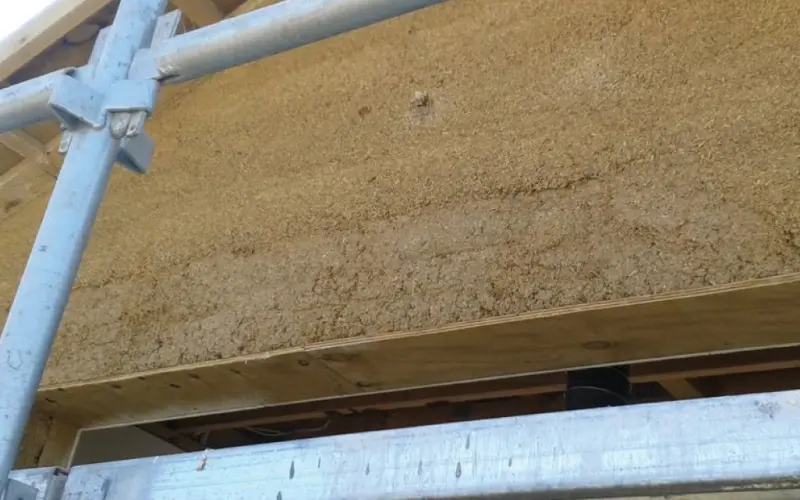


Hemp, one of the oldest crops known to man, has been put to numerous uses for thousands of years. Possibly nature’s strongest fibre, it has been cultivated and used for making ropes and sails as well as clothing and paper.
With a growing time to maturity and harvest of approximately 120 days, hemp produces two crops a year in some climates. It needs no herbicides because it grows too quickly for weeds to compete.
From Roman times to today
There is anecdotal evidence that the Romans dabbled with adding lime to a mix of water and hemp shiv – the pithy inner stalk byproduct. However, this construction technique seems to have been lost or not pursued until recent times.
The first modern hempcrete use seems to be by the French innovator Charles Rasetti in the 1986 renovation of the 16th century timber and earth house Maison de la Turque at Nogent-sur-Seine in northeast France.
UK architects Modece, who coined the phrase ‘deep green architecture’, followed in 2000 with two test dwellings that were monitored by the Building Research Establishment (BRE).
As the benefits of construction that is both healthy and sustainable have become known, there has been a groundswell of support for hempcrete construction from well known design practitioners worldwide. These include Grand Designs’ Kevin McLeod, who partnered in a 42-home hempcrete development in Swindon, UK.
Several projects in New Zealand
Recently, I spent time in Taranaki with Greg Flavell, the Kiwi co-founder of Hemp Technologies (US) Inc. and a passionate advocate for hempcrete building. He has personally overseen constructions in the US, Mexico and New Zealand.
He took me through two houses he has been involved with in the New Plymouth area − one still in construction and the other being readied for Code Compliance Certificate sign-off.
What is hempcrete construction?
Although it can be used as a flooring material and even as ceiling insulation, generally hempcrete is used as a non-structural wall infill like straw-bale construction.
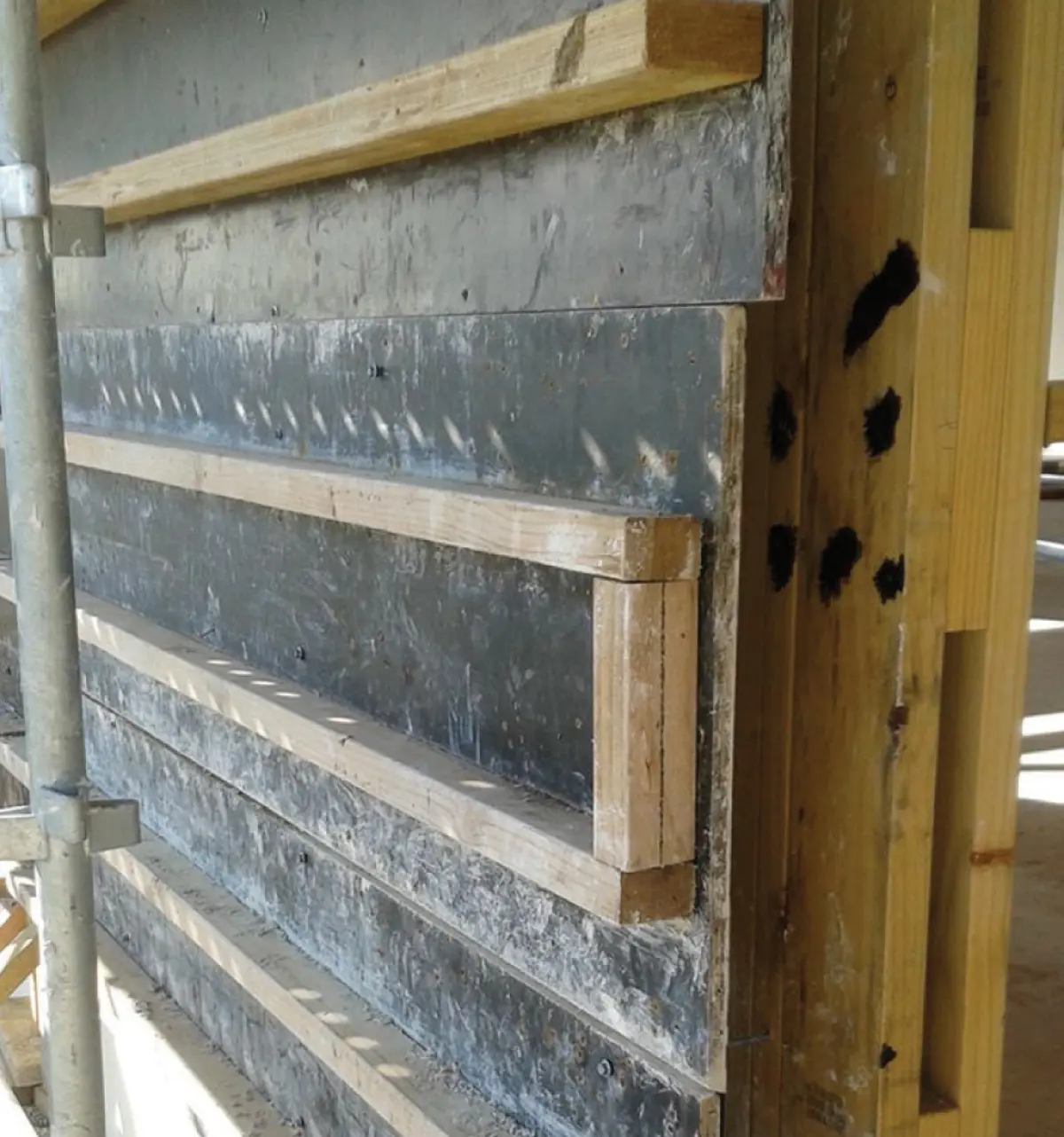
A structural frame, typically of post-and-beam construction, is erected, and forms are set up to give a wall thickness of usually 250–300 mm. Four parts of chopped-up hemp shiv, 1 part unslaked lime and 1 part water are introduced to a plaster mixer (imagine a horizontal concrete mixer).
The resulting product is shovelled or bucketed into the forms and tamped a little to slightly compact it. This is done progressively around the house in lifts of approximately 750 mm.
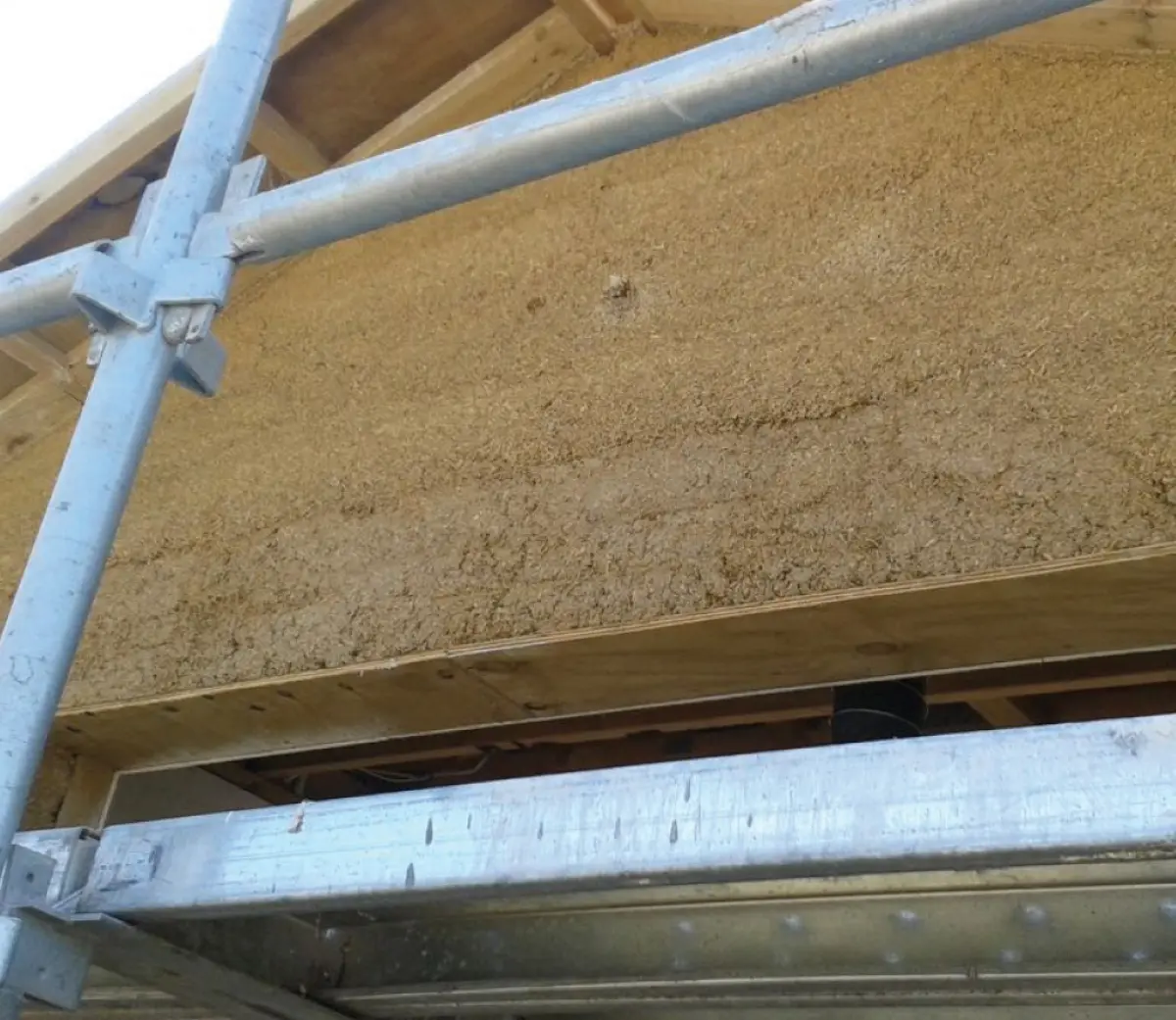
It is not a heavy slurry like concrete but a light, mildly damp mix that is held together mainly by the hemp’s natural lignins. It dries quickly to achieve a moisture content of 15% within a couple of weeks.
Interestingly, the lime component will spend the succeeding years inexorably turning itself back into the rock-like substance it came from. This gives a self-healing performance where cracking through movement has taken place.
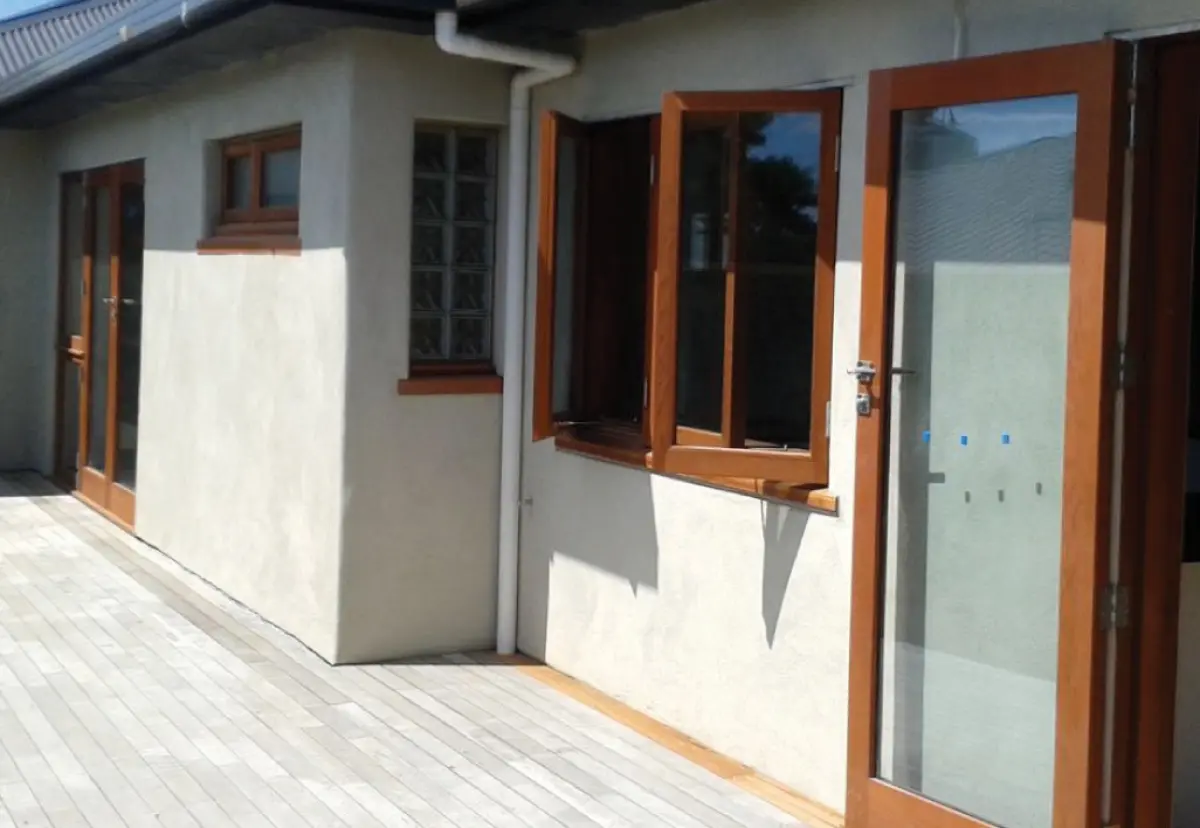
When dry, the outside surface is usually rendered, often with a lime plaster. The inside is sometimes treated in the same way or lined with conventional lining materials. In both constructions I visited, a magnesium oxide board lining had been used. This gave some bracing and is suited for wet areas.
High thermal performance
Hempcrete delivers a construction that:
- is high performing, both thermally and acoustically
- breathes
- can be fire-resistant
- has measurable health benefits when used in healthcare facilities.
High-profile advocates include Adnams Brewery in the UK, whose large distribution centre needs minimal heating or cooling, largely due to the hempcrete construction, and retailers Marks & Spencer.
Marks & Spencer have measured the energy use of their hempcrete-constructed Cheshire Oaks store and report it as being 42% more energy efficient than their standard stores.
Hurdle with consent authorities
Are there any downsides with this easily grown, natural product that provides healthy, carbon-negative construction?
Currently, there are a few hurdles for New Zealand practitioners, beginning with the building consent process, which must be approached in a cautious, well prepared way.
The consent authority needs to be convinced the design will meet the performance requirements of all of the Building Code clauses. There are no ready-made compliance paths for the designer to follow – hempcrete is entirely an alternative method.
The designer will draw heavily on history of use and comparisons to other similar construction systems to convince the building consent authority of the worthiness of the consent application.
Pros and cons
There are other points of note, both good and not so much:
- This is not fast construction. Typically, a four-person team will produce approximately 16 m2/day.
- The wall is light – 375 kg/m3.
- Hempcrete is only strong in compression.
- Currently, hemp shiv must be imported from Europe or Australia.
- Several hemp crops are now being grown in New Zealand, but efficient harvesting and processing requires specialist equipment not currently available.
- The site team needs to become familiar with the product to get consistency of the mix and efficiency of construction.