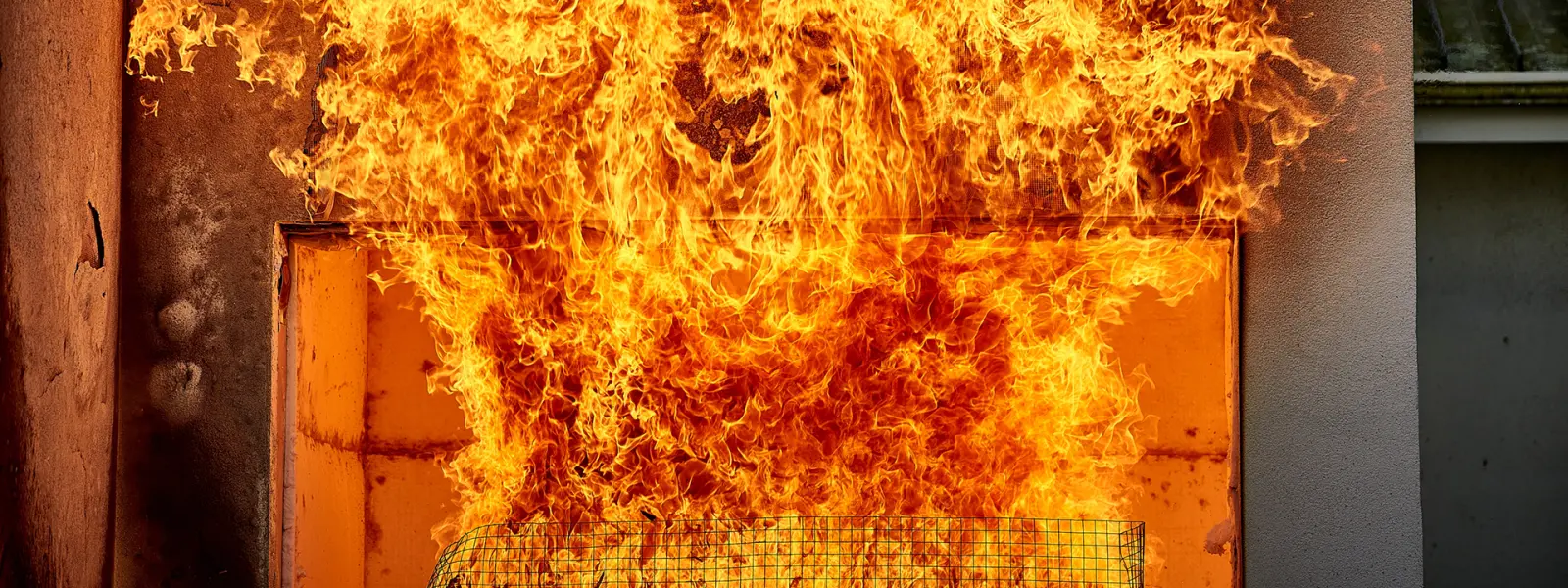
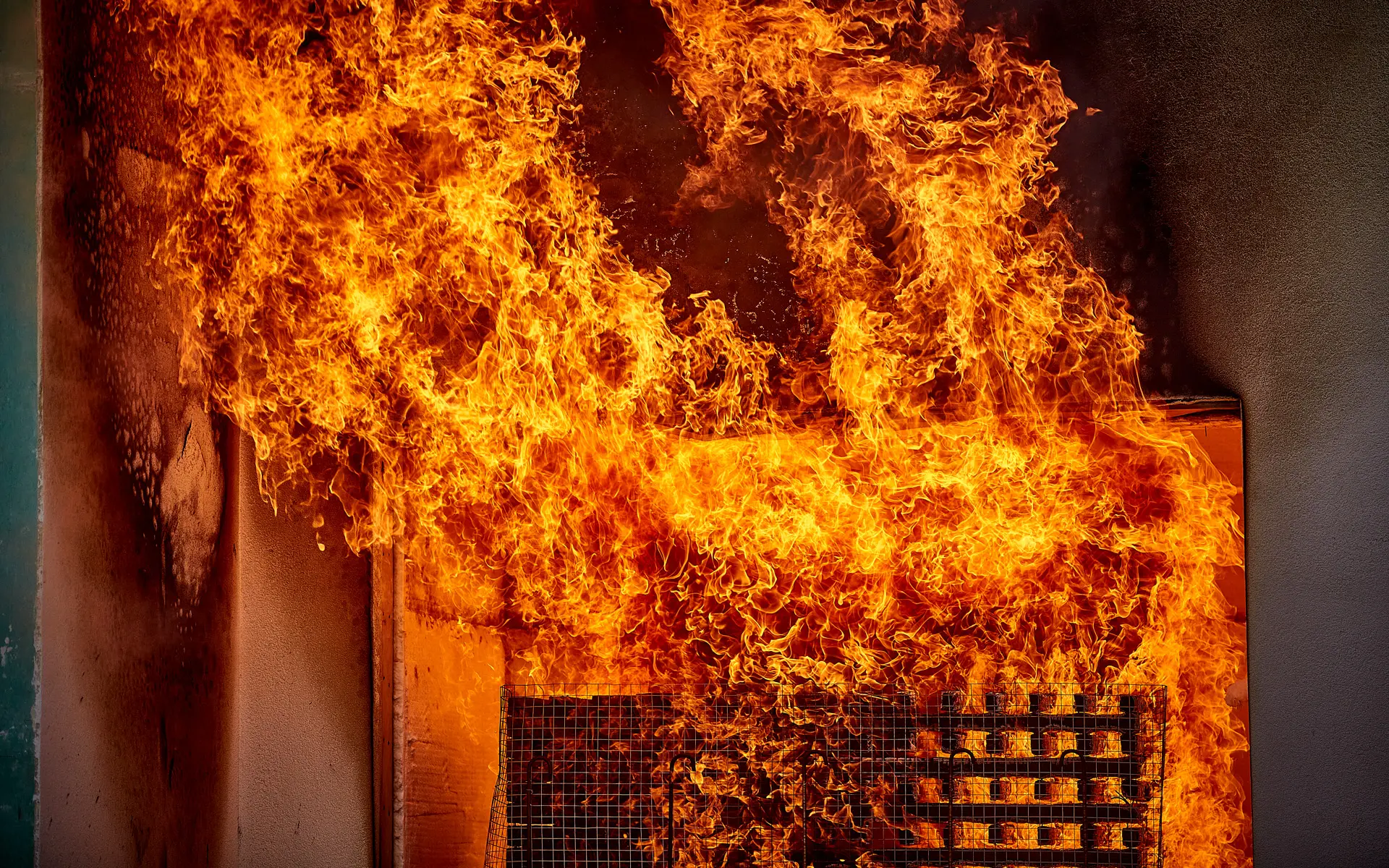
When combustible materials like timber are included in a façade system, the evaluation of vertical fire spread risk requires testing the system as a whole. There are several key things to consider.
Sometimes, gaps must be sealed, but in other circumstances they shouldn’t. The reasons are backed by science, so stick to these guidelines for a well performing building.
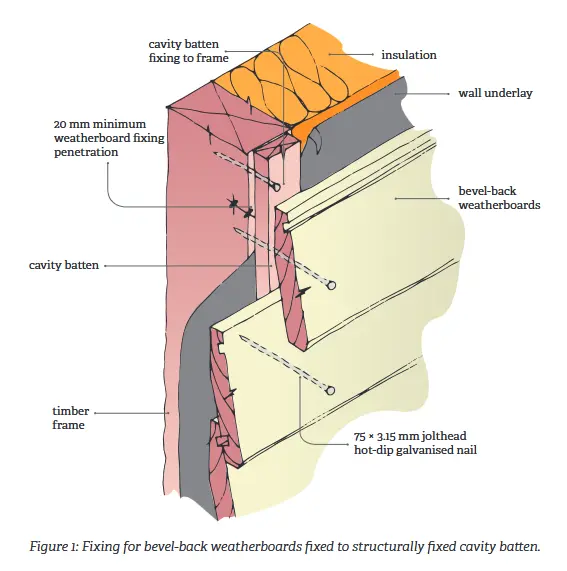
Using longer and thicker nails to fix horizontal timber weatherboards to structural framing through cavity battens can damage the weatherboards. However, there’s a way round this.
A Build reader recently asked if H3.1 treatment for timber cladding is sufficient to protect against rot. It is, but only if primed before installation, painted and regularly maintained.
Horizontal timber weatherboards have been a popular cladding material for houses in Aotearoa New Zealand for many years, with an excellent track record for durability when properly installed and maintained. Even when maintenance has been less than ideal, timber weatherboards have sometimes lasted more than 100 years.
Timber weatherboards have an excellent performance history, and almost one in four new houses is clad with them. Using a good product with the right handling, installation and finishing procedures will ensure a quality job.
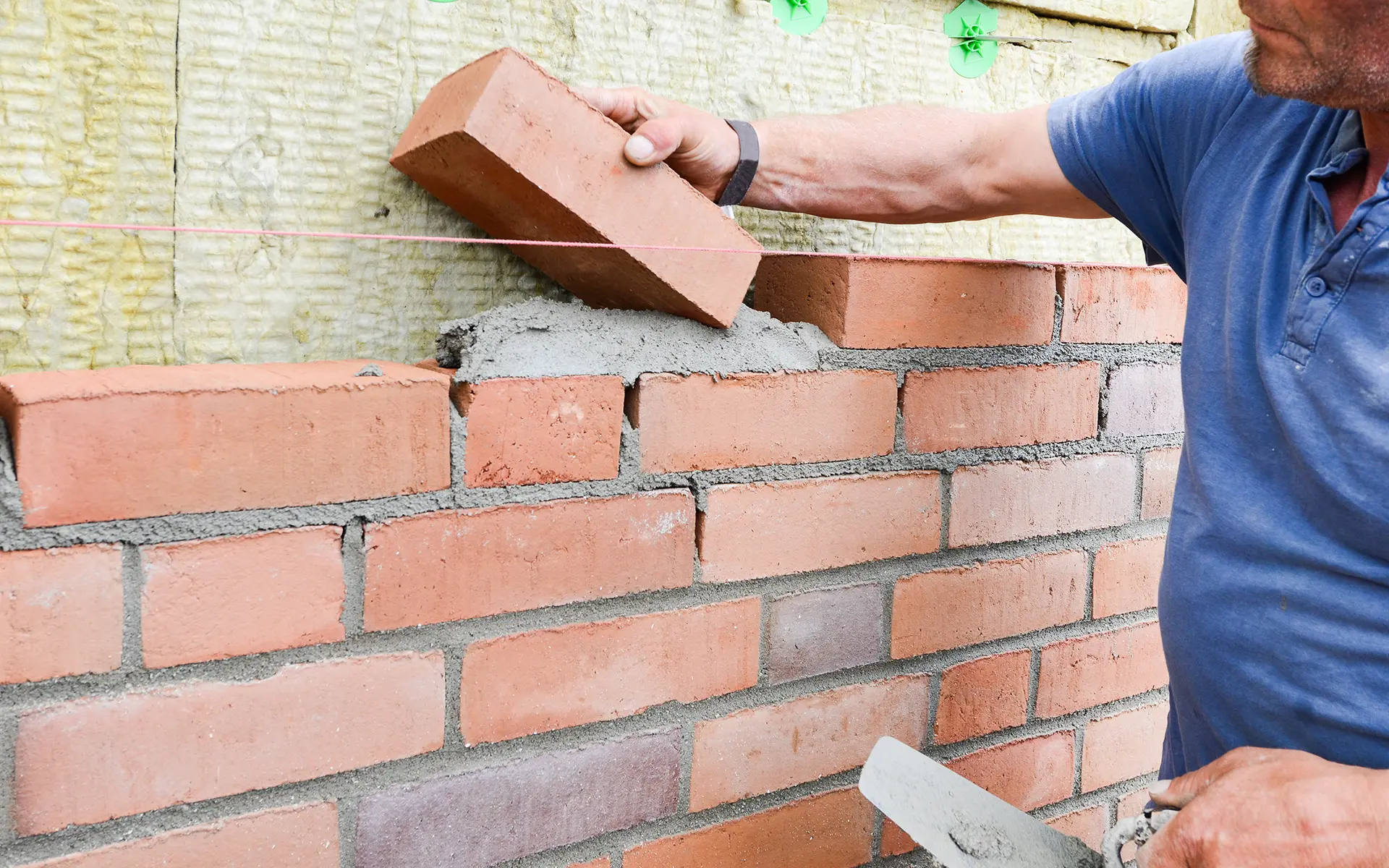
The back of brick veneer will get wet when it rains. That’s why it’s important to design in elements such as vents and open prepends, install the veneer following the correct practices and adhere to certain tolerances.
Some external moisture is likely to penetrate masonry veneer, but this isn’t a problem when sufficient ventilation can drain and dry any water that enters. In this example, poor construction details restricted ventilation and caused problems.
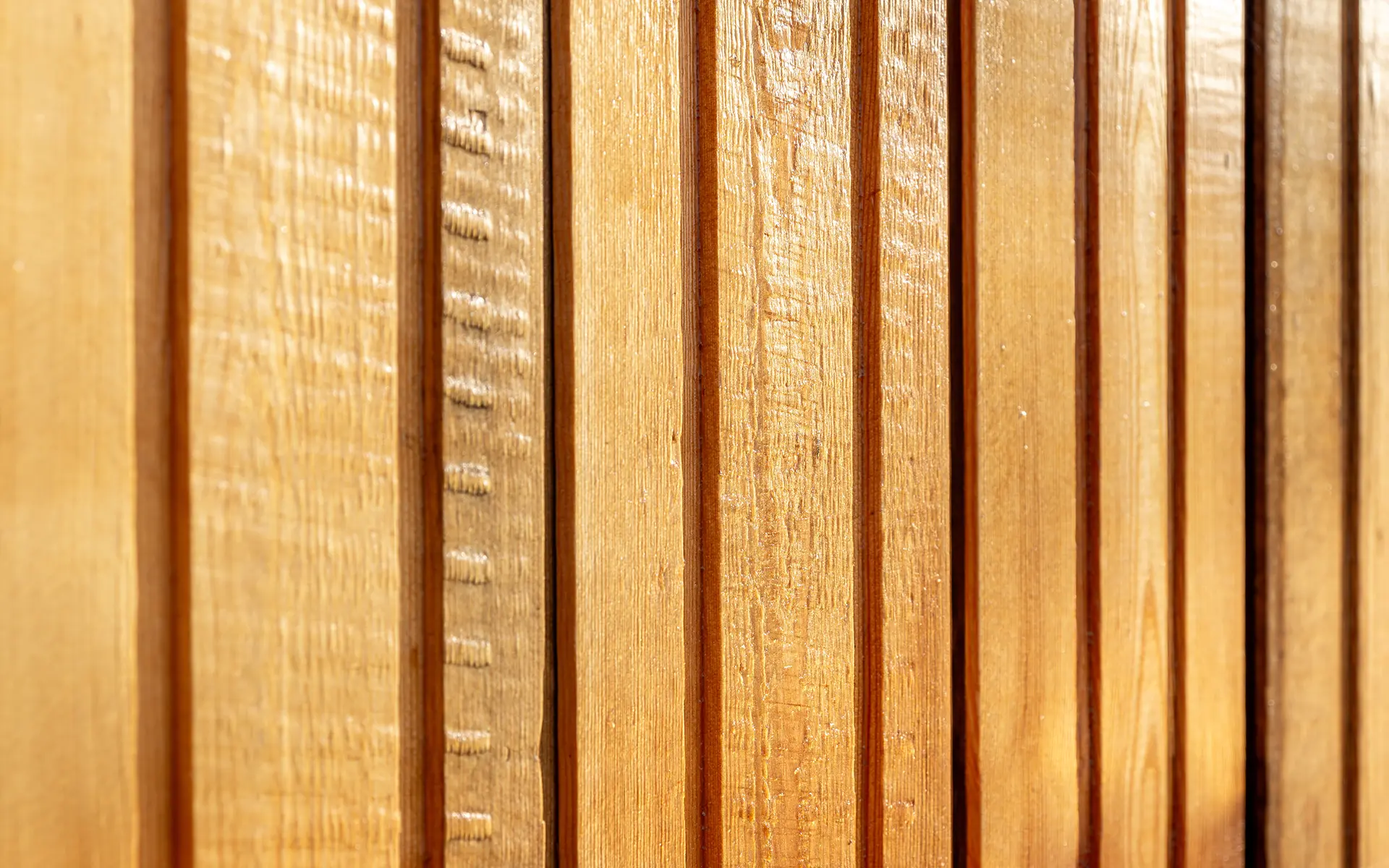
Vertical board and batten as a cladding reaches back to the earliest days of New Zealand settlement. The memory of rough pit-sawn timber and the scale and familiarity remains and many owners find it appealing, so the use of board and batten continues to this day.
House designs with brick veneer cladding at the bottom and weatherboards above present a design challenge. Here we have some details that allow ventilation and drainage from the upper cladding while preventing additional moisture entering from the brick cavity and maintaining ventilation of the veneer cavity.
For many cladding materials the horizontal joints are dealt with in the design of the cladding itself, e.g. weatherboards. This article is concerned about those claddings that need horizontal joints to accommodate movement or sheet size.
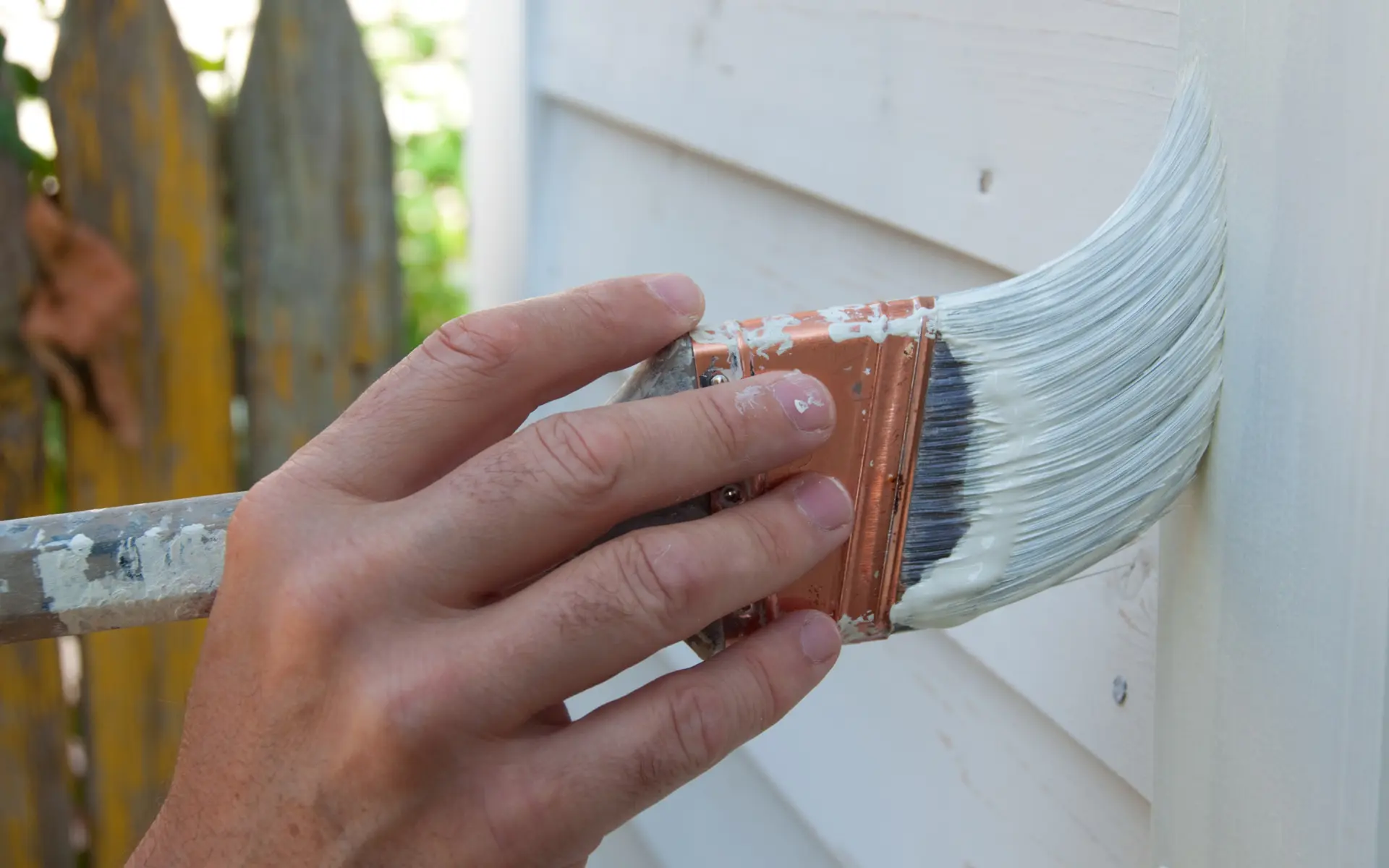
The home is built and now the timber cladding needs painting or coating. It is important that this is carried out correctly to ensure long-term durability and a great appearance.
Although aesthetics are important in cladding selection, other factors need to be considered to ensure any water hitting the exterior is deflected, or can drain away or dry out.
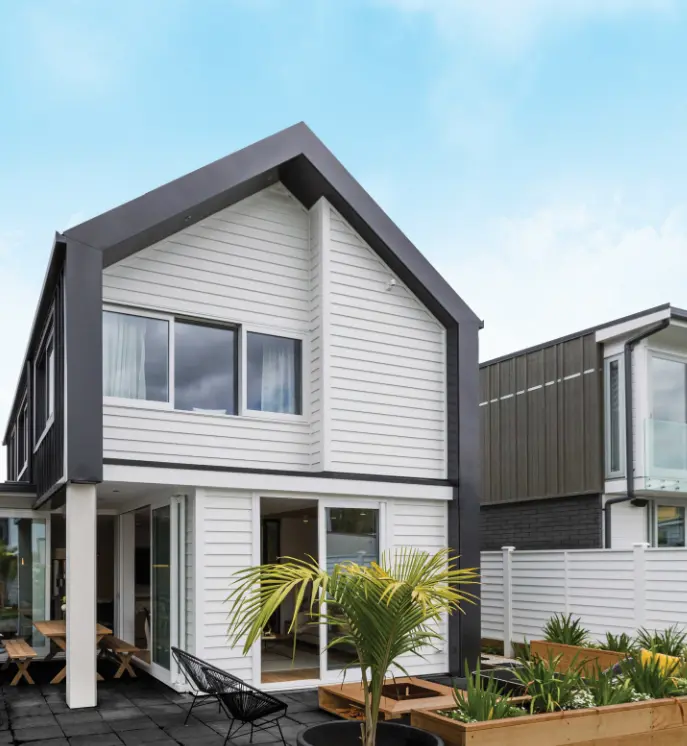
Current designs for both domestic and commercial buildings often have more than one cladding system. These can be tricky, so what is the best way to detail these junctions?
Bevel-back weatherboards are back in vogue, but there’s a lack of experienced installers. This has led to some poor installations, so here are the key pointers to getting it right.
While the use of timber weatherboard cladding varies with changing trends, it remains perennially popular and its design and installation is well documented.
Penetrations through claddings need to be carefully detailed so they are weathertight. For commercial buildings, they may also need to be seismically restrained to prevent impact damage.
Buildings with poorly designed and built parapets and enclosed balustrades are at high risk of weathertightess failure. Careful design and construction is needed.
Over time, water entry through poorly installed or maintained weatherboard cladding may cause significant structural damage and other problems long before any symptoms become apparent on the exterior or interior...
Timber cladding materials and skills needed for building and installation of traditional claddings have changed over the years. The conditions for building new timber-clad buildings have also changed over the years....
Product Description Life cycle cost analysis is a technique that allows for consistent comparisons of the net costs of buildings and components throughout their life. It enables valid comparisons between...
Life cycle cost analysis is a technique that allows for consistent comparisons of net costs of buildings and components throughout their lives. It enables valid comparisons to be made between...
This report summarises the findings of a scoping study into the potential for over-cladding as a solution for overcoming the stigma associated with leaky type houses that do not leak....
This report is on the life cycle cost (LCC) and ranking of common roof claddings used on New Zealand dwellings. Costs and rankings data is based on an Excel calculator...
This study has evaluated the incipient fire development of a series of purpose-built chairs with polyester fabric-covered flexible polyurethane (PU) seat and back cushions and three sofa chairs.The results of...
This report, carried out at BRANZ, details recent developments in test methods for assessing the fire hazard of building materials and contents.Many methods have been developed for the assessment of...
Fire hazards in residential buildings were investigated by conducting a range of fire experiments on a purpose-built typical low-cost New Zealand dwelling. Hazards evaluated ranged from limited liquid fuel fires...
Multi-storey buildings typically have complex floor plans and unknown gaps between the compartments. The effectiveness of smoke control systems in these buildings relies on the accuracy with which the movement...
Inhalation of smoke and combustion products is one of the primary causes of death and injury in building fires. This hazard is heightened by the increasing use of synthetic materials...
A series of reduced-scale fire experiments have been conducted to better understand the phenomena of flames projected from a single compartment opening, which can lead to vertical fire spread up...
This report describes an investigation of the fire behaviour and fire test methods used for combustible duct and pipe insulation materials intended for installation within New Zealand buildings. The study...
This literature review is targeted at understanding the development of window fire plumes from openings in the external walls of buildings. The purpose is to characterise the likely thermal exposure...
This report was prepared during research into the effect that increasing fire loads in modern vehicles and the advent of car stacking systems may have on the current New Zealand...
The process of specifying design fires appropriate for apartments in New Zealand should first include identification of the most common and most costly fire events or scenarios that are likely...
The process of specifying design fires appropriate for apartments in New Zealand should include identification of the most common and most costly fire events that are likely to occur. This...
This study provides guidance to fire engineers, design reviewers and regulators regarding the limitations and appropriateness of using a two-zone fire model to simulate smoke development in large spaces.Smoke filling...
Handbook values for the smoke yield (the mass of smoke/soot produced per mass of fuel burned) based on flexible polyurethane foam have been assumed for design fires involving upholstered furniture....
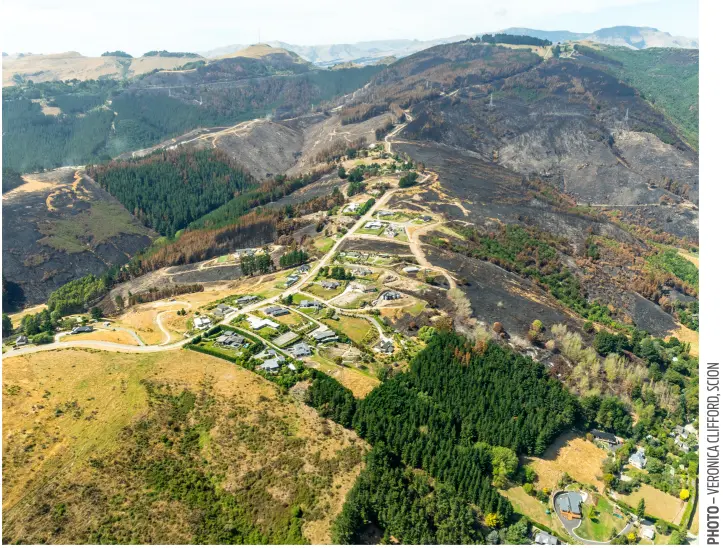
The occurrence of wildfires is growing and is no longer only the concern of fire services. Designers and builders must start thinking now about the houses they construct and how resilient they will be in a world of increased fire risk.
University of Canterbury (UC) has been researching the flammability of timber building envelopes – part of an MBIE-backed programme into wildfires and their impact on communities.
A series of papers prepared as part of the ReCast Floors project relating to the performance of precast concrete floors in New Zealand, including design issues and retrofitting. The papers...
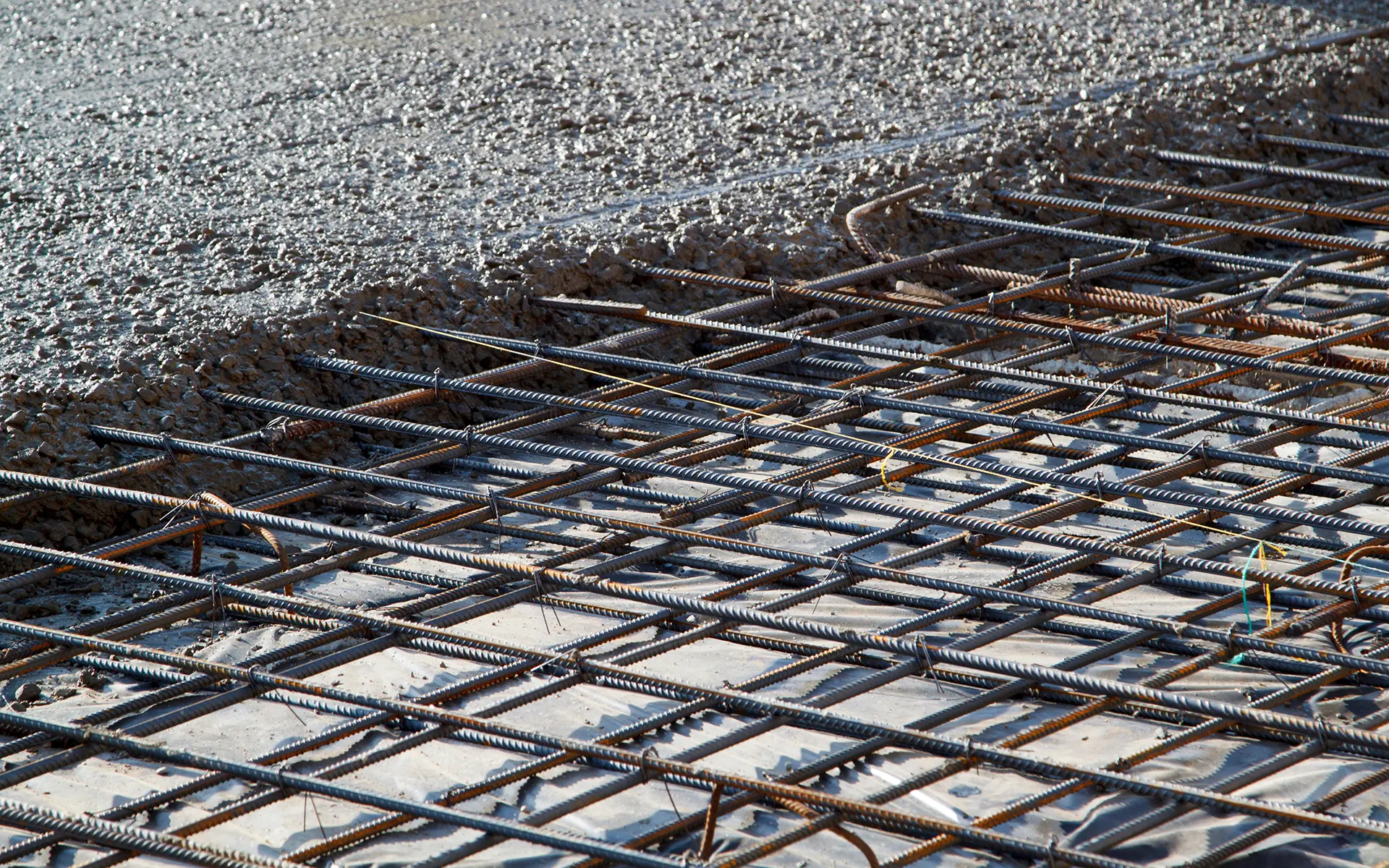
One of several changes that came out of the Canterbury earthquakes was the requirement that all reinforcing in slabs-on-ground must be tied into the foundation wall reinforcing.
A preliminary BRANZ study into the fire performance of hollowcore concrete floors suggests that conventional fire design requirements for precast floors may need to be reviewed.
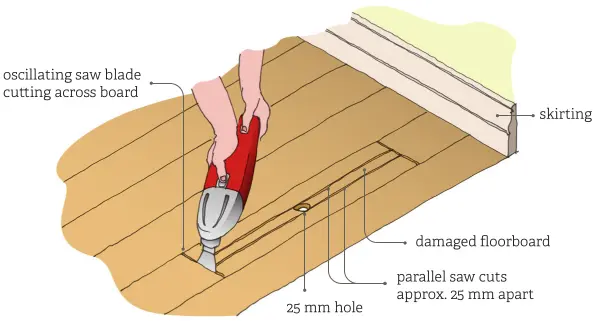
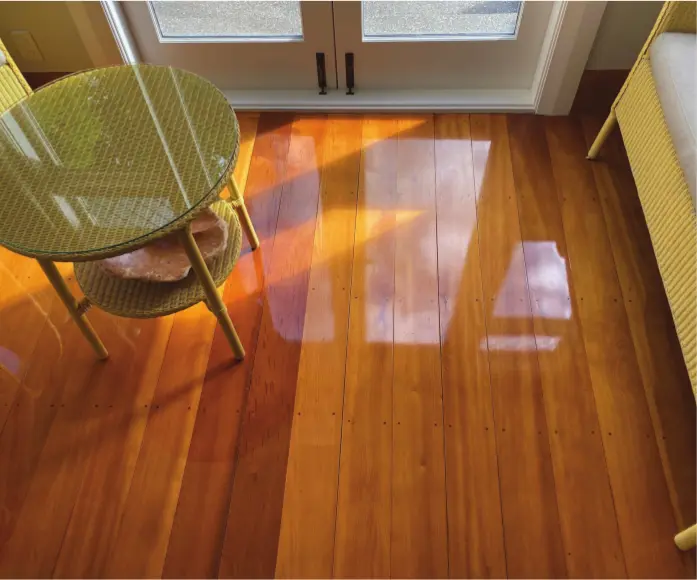
Timber floors are aesthetically pleasing, but over time, they can become scratched and damaged. To keep them looking good requires ongoing maintenance and repair.
In Build 188 Keeping in character, i looked at the major structural issues confronted when refurbishing Aotearoa New Zealand period and character homes. In this third article in the series, i discuss the internal fit-out and what you may encounter.
Lessons from the Canterbury earthquakes mean that all concrete floor slabs must now be reinforced with steel bars or welded mesh with a reasonable degree of ductility.
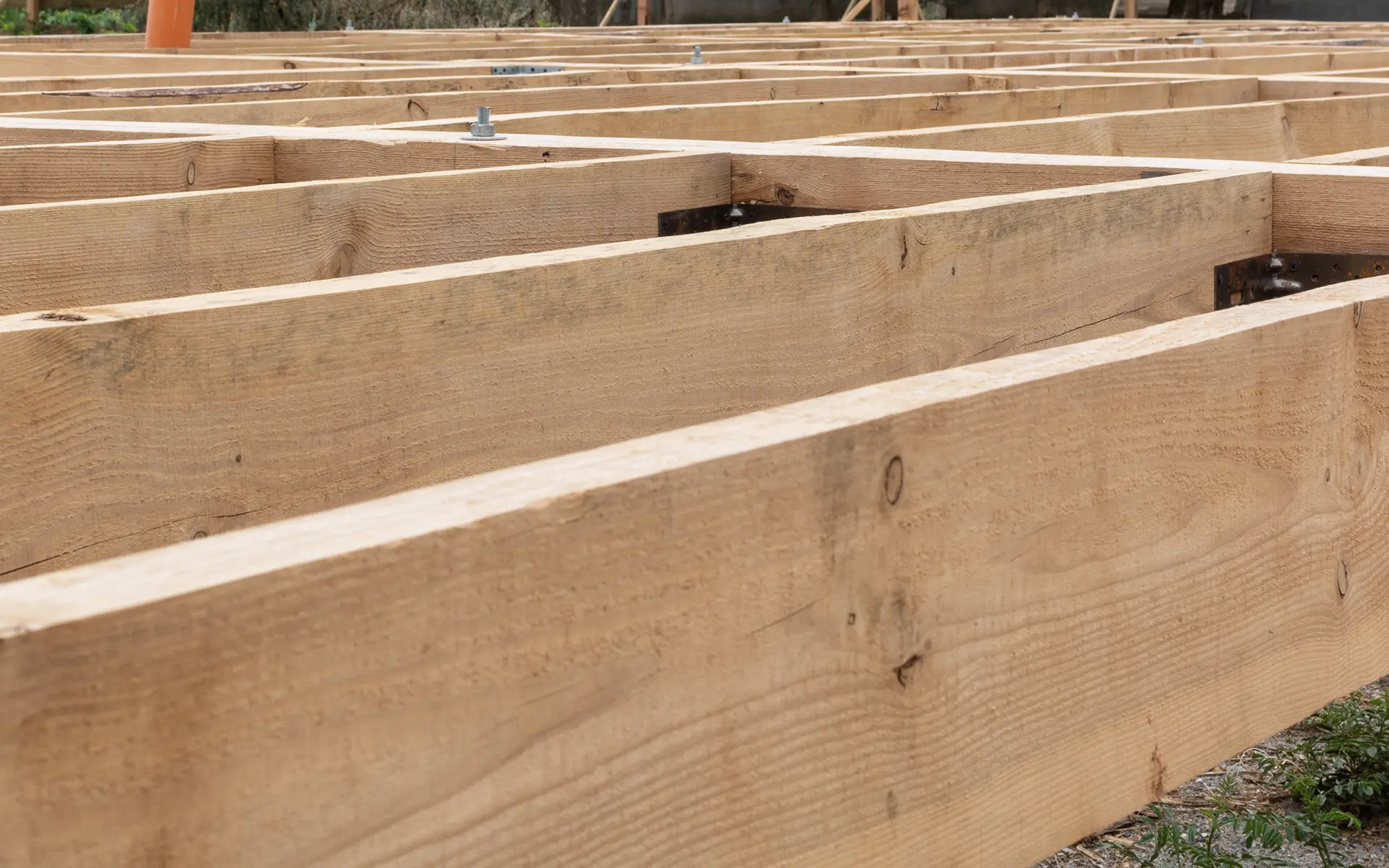
All timber floors deflect to some degree under load, but a floor that deflects too much when walked on can be disconcerting. Floors rarely fail, but a bouncy floor often indicates a problem with the floor joists.
Calls to the BRANZ helplines have revealed confusion created by differing advice in NZS 3604:2011 on the ground clearance needed for particleboard flooring. What is the ground clearance needed?
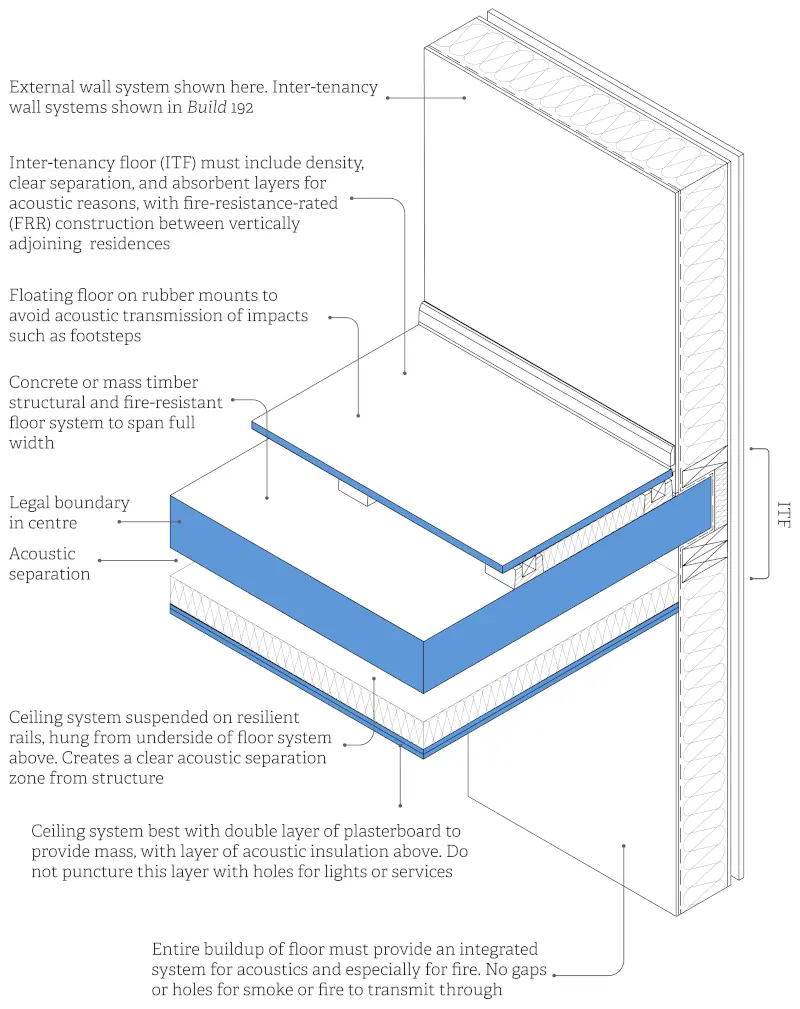
Part 2 of this Build series on designing and building medium-density housing covers inter-tenancy floors. The most important consideration here is to eliminate penetrations into the inter-tenancy floor zone.
The BRANZ Technical Helpline often receives queries for designing and building suspended timber floors and dealing with uplift. Nine of the most common questions are answered here.
Although the many attributes of concrete such as compressive strength, excellent durability and versatility are well known, concrete floors are not completely immune from problems. This Good Repair Guide focuses...
Tongue and groove (T&G) timber floors laid over joists are a typical feature of older New Zealand homes. From the earliest houses until 1970s, all houses had timber floorboards. Moisture...
Overlay flooring is a flooring system that is laid over timber tongue and groove (T&G) boards, particleboard, plywood or concrete. It includes solid timber boards, parquet flooring, timber composite flooring...
Look up our experts and connect with trusted building science specialists who can provide practical advice, technical insight and evidence‑based guidance to support your research, project or decision‑making.
This research was initially to gain an understanding of why concrete ground floor slabs crack as a result of concrete drying shrinkage. The hypothesis was that, by reducing or mitigating...
Product Description This study investigates the applicability of a velocity-based assessment procedure for determining the dynamic suitability of timber floors. A portable procedure has been developed for exciting and measuring...
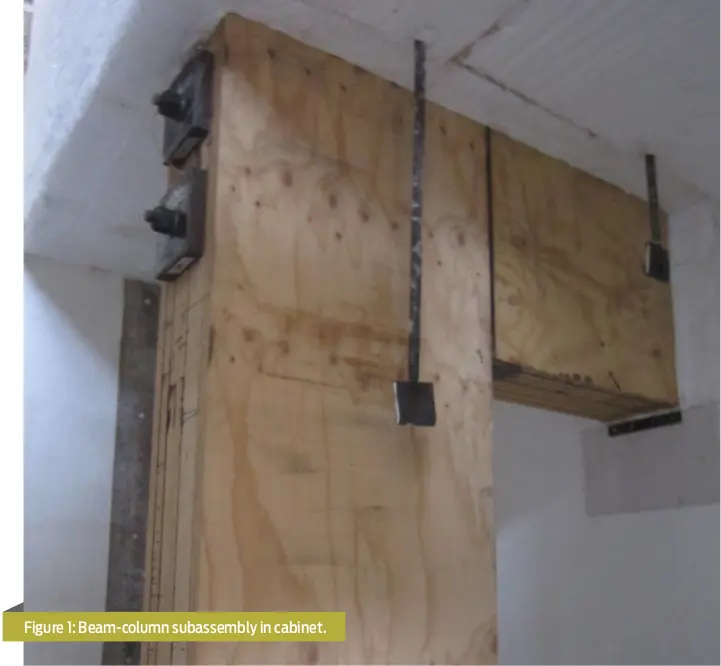
A research project found the practice in Aotearoa of seismically compatible detailing does not always improve the fire performance of a beam-column joint compared to joints designed without it, as occurs overseas. One answer for better fire performance may be to look at British fire performance practices.
A variety of New Zealand made Pinus radiata engineered wood products were tested in a cone calorimeter to determine key combustion properties, including time to ignition and heat release rate...
This report summarises the results of an industry survey asking practitioners about their experience with structural engineered wood products (EWPs) and adhesives. EWPs are used extensively in construction overseas and...
Designers need to show that heavy timber buildings maintain their stability during and after a fire. A joint research project has initial findings on the fire performance of mass timber construction joints to help.
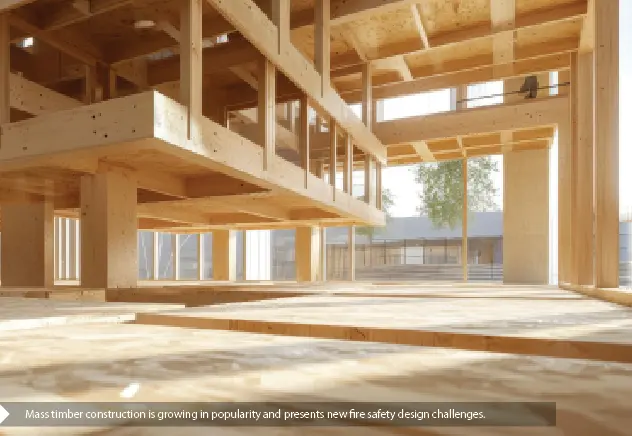
The growing prevalence of mass timber construction in buildings, allowing larger compartments with larger openings, presents new challenges for fire safety designers.
As the push for more timber construction continues because of its low carbon attributes, further research into the fire safety of timber products is important. Recent BRANZ projects added to the available knowledge.
As more timber-based construction materials are developed and made available for the New Zealand building industry, it is important to know what products are sought by designers and builders and...
This is a guide for specifying and choosing timber for use in New Zealand buildings, which will be useful to all architects and designers, specifiers and builders working with timber. As...
These guidelines describe methods for designing LTF structures that go beyond 2.5 storeys and are outside the scope of NZS 3604:2011 Timber-framed buildings. They provide guidance on how designers can develop...
A bouncy or springy floor or a floor that is noticeably uneven is often the first indication that there may be a problem with the subfloor framing. Subfloor timbers include...
External timber steps and handrails are exposed to all weather conditions, including regular wetting and drying and high levels of UV light. Regular wetting and drying causes swelling and shrinkage...
Product Description This study forms the second phase of an investigation into the wind and earthquake racking resistance of timber piles used under New Zealand houses. The first phase can...
Product Description This study forms the first phase of an investigation into the wind and earthquake racking resistance for timber-framed New Zealand houses from roof to ground floor level. 10...
Cross-laminated timber (CLT) has been the one of the latest and most significant types of engineered wood product developed for structural applications. In the last two decades, there has been...
This report summarises the theory and test work behind the development of a structural pseudo-dynamic testing facility at BRANZ. It includes a full description of the analysis to enable verification...