As more construction occurs on steep sites, one consequence is buildings prone to wind-induced noise. Design and mechanical solutions can reduce the effect.
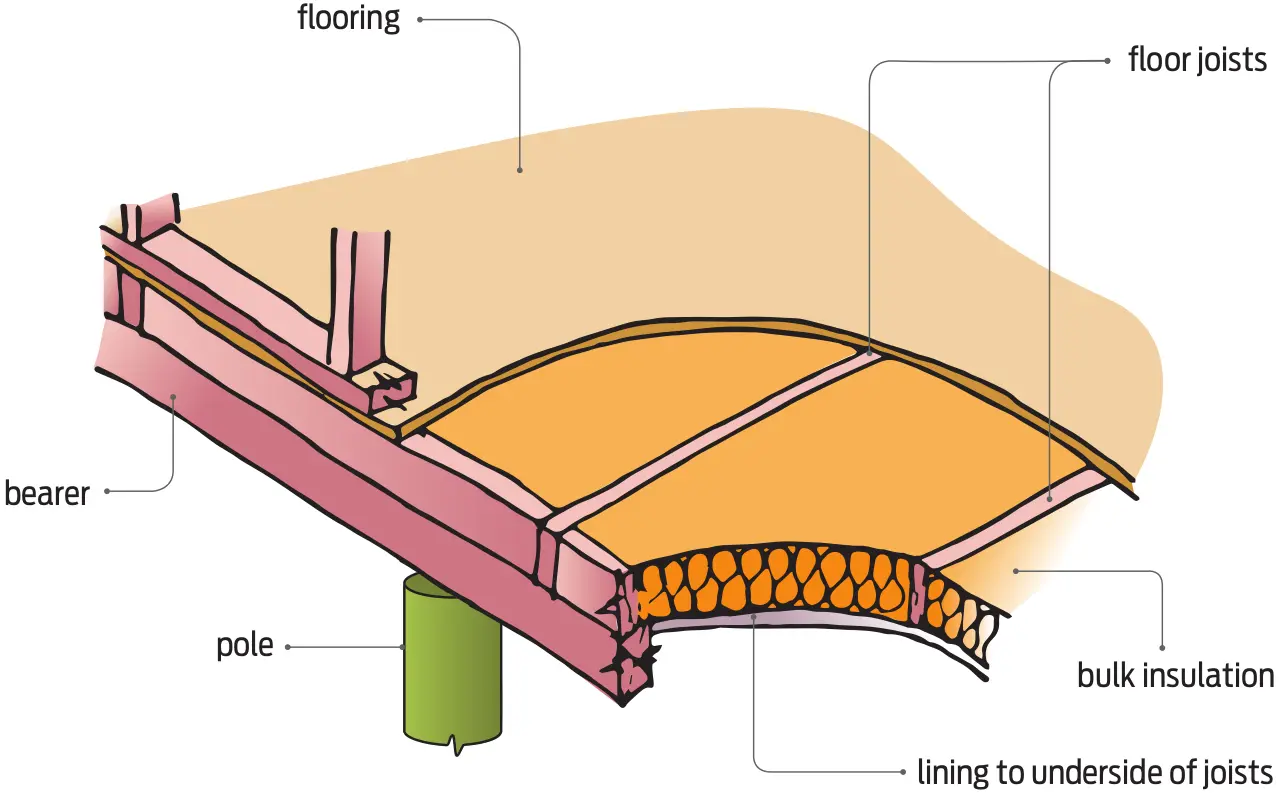
There’s a little breathing space, but soon, many rental properties will need to be retrofitted with underfloor insulation. Retrofitting foil insulation has been banned, so what are the options?
Making additions or alterations to an older home can provide an opportunity to improve its thermal performance. However, installing insulation to maximise the benefits is not always as straightforward as it might seem.
Renovations or extensions can often mean a new slab is laid abutting an old one. There’s plenty to consider before starting work to ensure the junction is weathertight, strong and Building Code compliant.
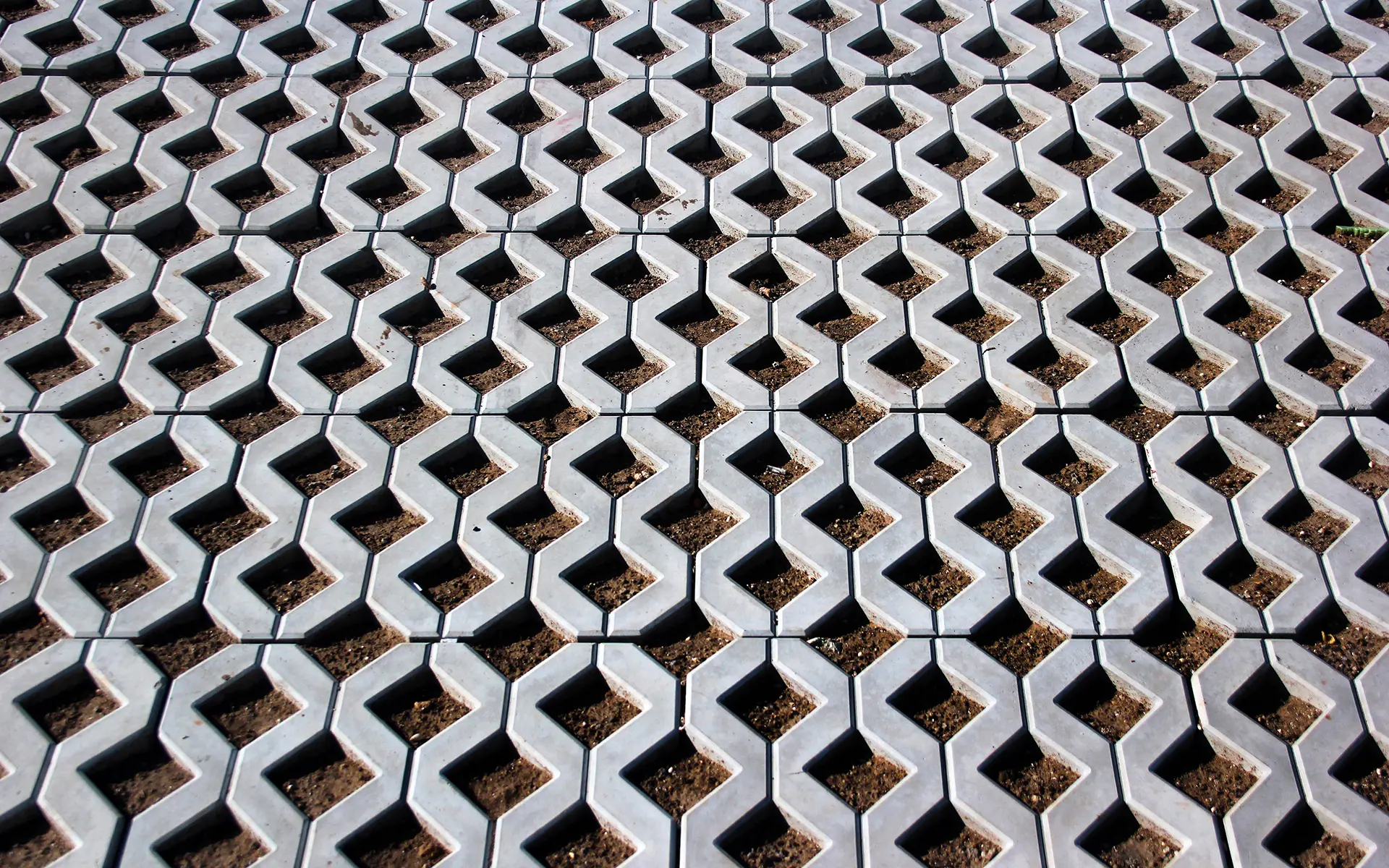
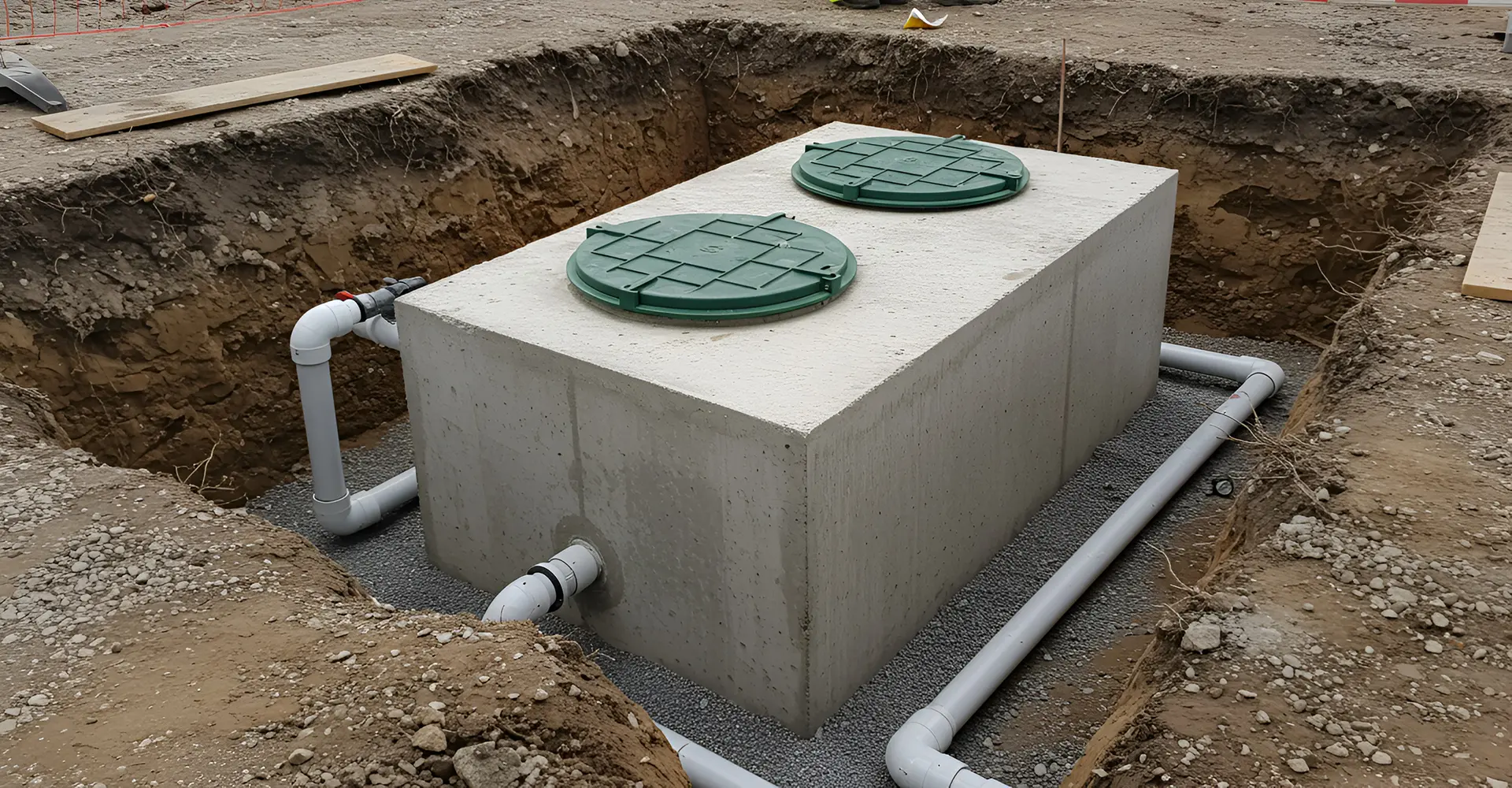
On-site stormwater management for new developments is now a requirement in many jurisdictions. This is what you need to know about options such as detention and retention tanks, soak pits and pervious paving.
House designs with brick veneer cladding at the bottom and weatherboards above present a design challenge. Here we have some details that allow ventilation and drainage from the upper cladding while preventing additional moisture entering from the brick cavity and maintaining ventilation of the veneer cavity.
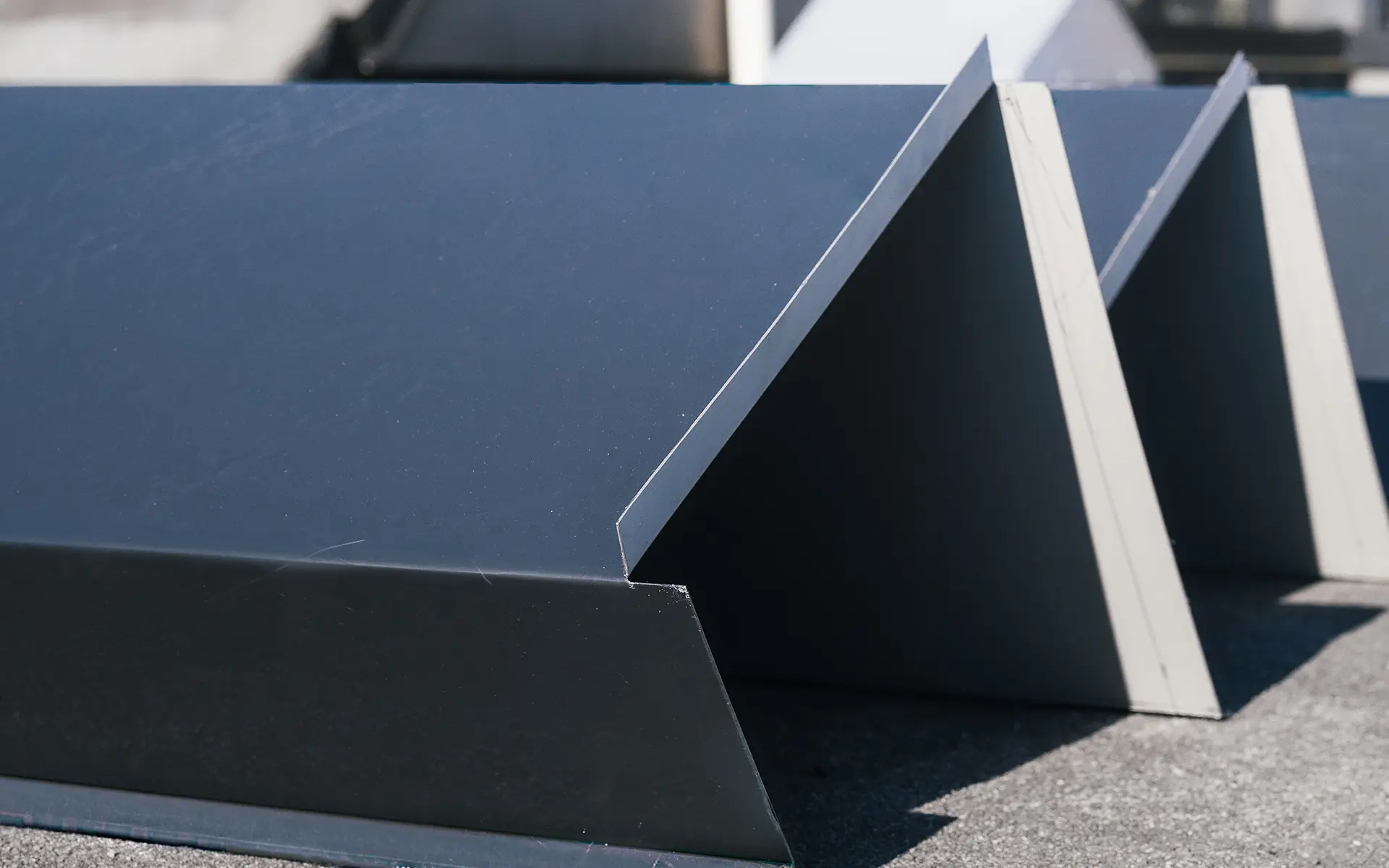
It can be difficult to determine the critical dimensions for roof flashings in E2/AS1. We step through Table 4.5.1.1 to help clarify confusion when working out the minimum sizes of flashings.
General wear and tear in a house often results in damage to interior wall linings. Damage can range from repairable (a picture hook pulled out or a door handle through...