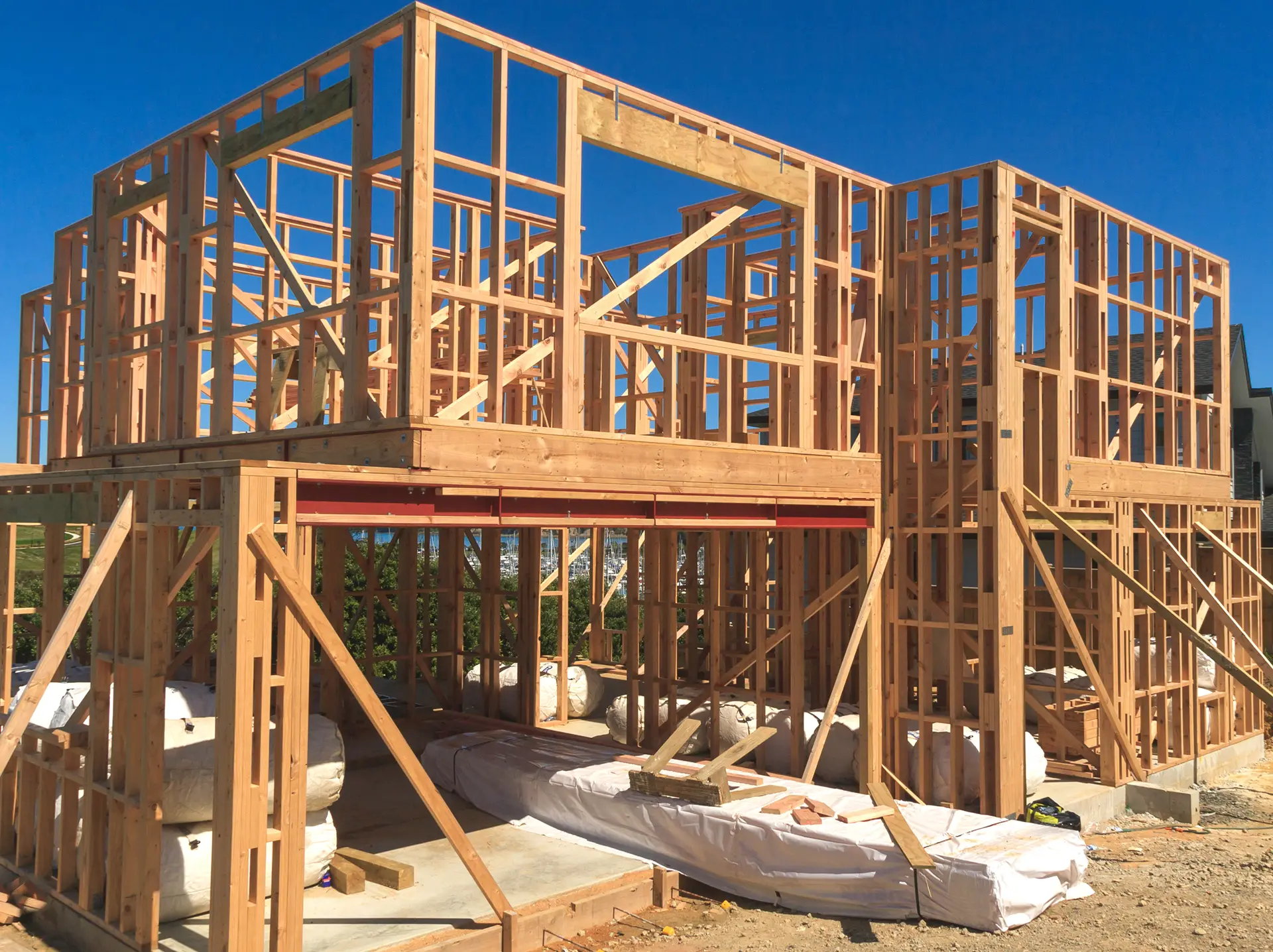
Under H1, recessed aluminium joinery systems offer enhanced thermal alignment with wall insulation, reducing thermal bridging and improving compliance with minimum construction R-values for energy-efficient building envelopes.
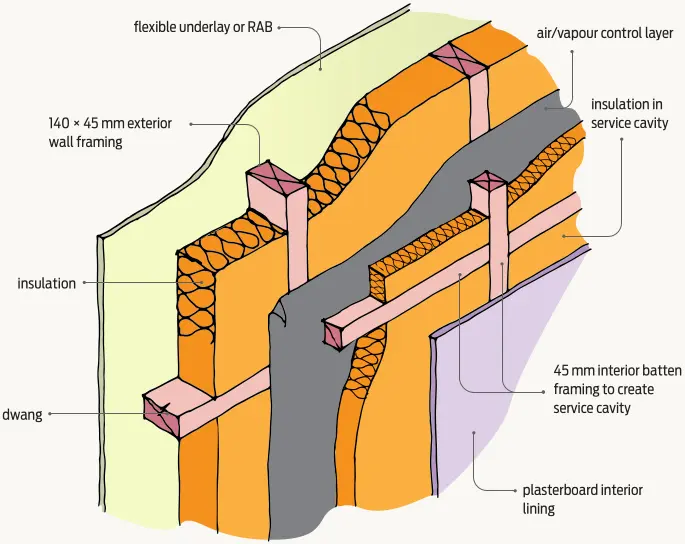
Demonstrating that exterior wall insulation complies with Building Code clause H1 Energy efficiency is often carried out using Acceptable Solution H1/AS1 or Verification Method H1/VM1. Here are the key points to be aware of.
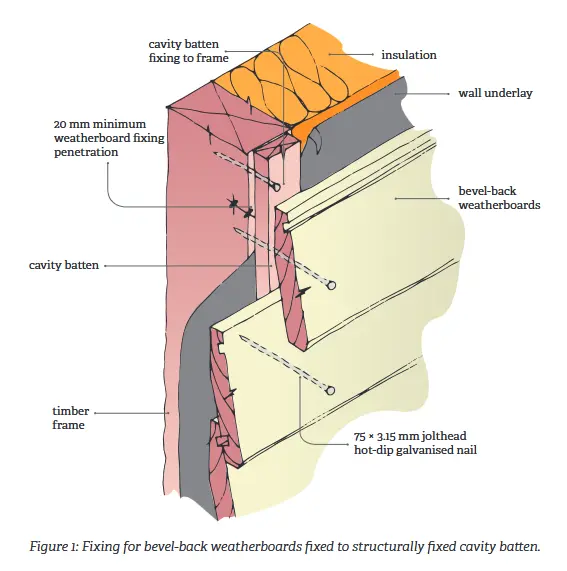
Using longer and thicker nails to fix horizontal timber weatherboards to structural framing through cavity battens can damage the weatherboards. However, there’s a way round this.
Now that the full requirements for achieving compliance with clause h1 Energy efficiency for floors are in effect, it’s a good time to go over what the new compliance methods are.
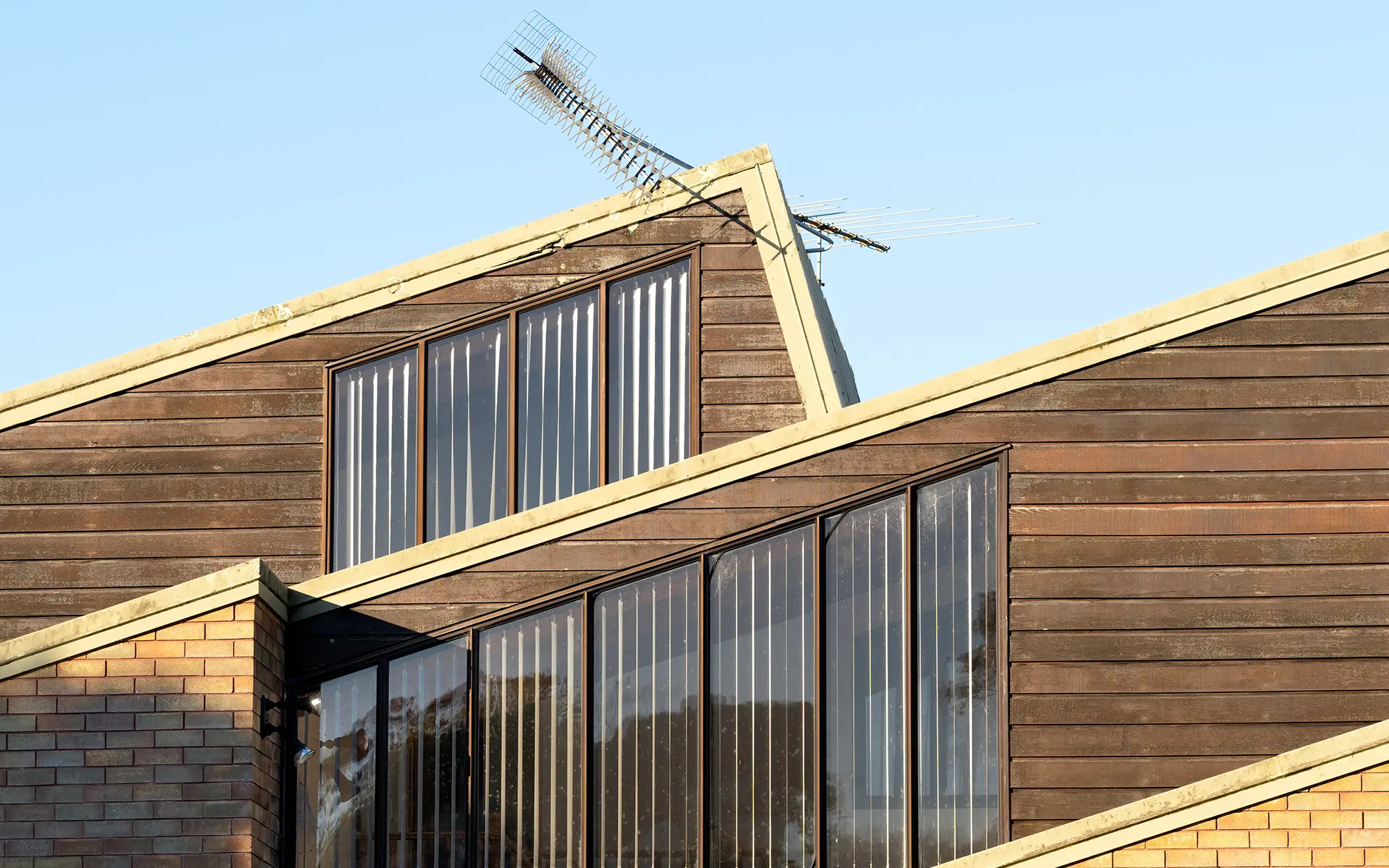
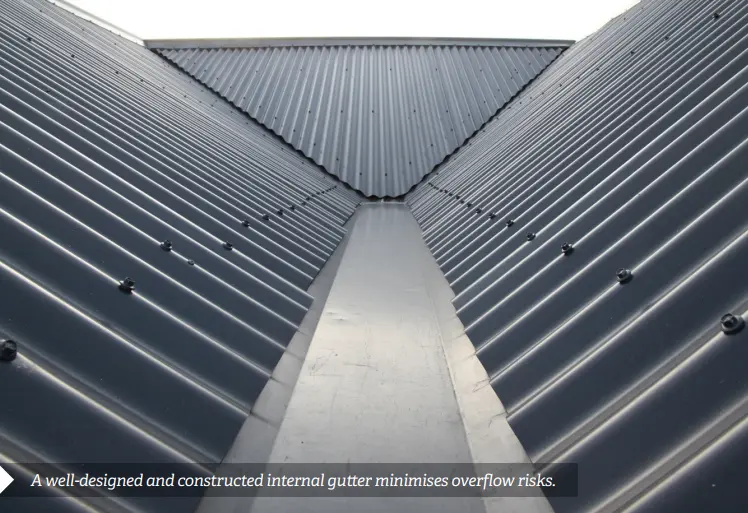
Design trends are seeing an increase in the use of internal gutters, previously seen as risky. With advances in their design and construction, they are now a viable option.
BRANZ modelling identified six areas for designers to focus on to reduce the carbon footprint of a new build. In the first of this series, we look at the practical considerations for designers using rule of thumb 1 Increase construction R-values.
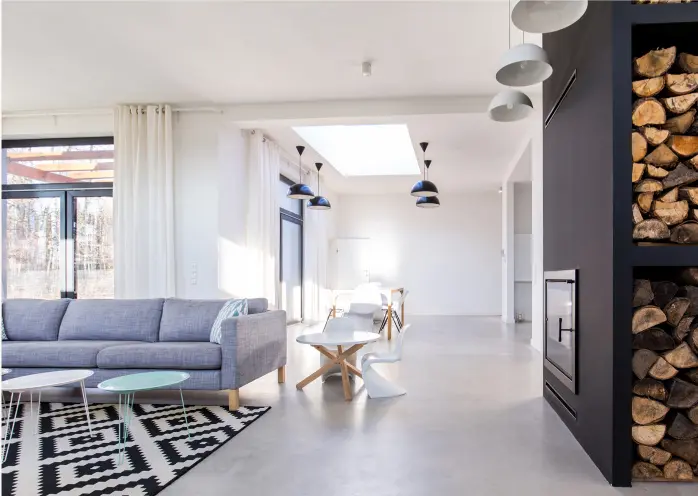
Our rule of thumb series provides designers with information on aspects of design that have potential to reduce the carbon footprint of new builds. What should designers consider when applying rule of thumb 2 Expose the concrete floor slab?