Structural insulated panels (SIPs) have become increasingly popular internationally, driven by the demand for fast, affordable and energy-efficient building solutions. SIPs construction is increasing in New Zealand, but there is...
A variety of New Zealand made Pinus radiata engineered wood products were tested in a cone calorimeter to determine key combustion properties, including time to ignition and heat release rate...
MgO boards are used as an alternative to traditional sheet materials such as those made with fibre-cement and gypsum. In New Zealand, there are examples of MgO boards used in...
Construction using structural insulated panels (SIPs) has been suggested as one possible solution to New Zealand’s urgent need for fast, affordable and quality homes. SIPs for residential construction have a...
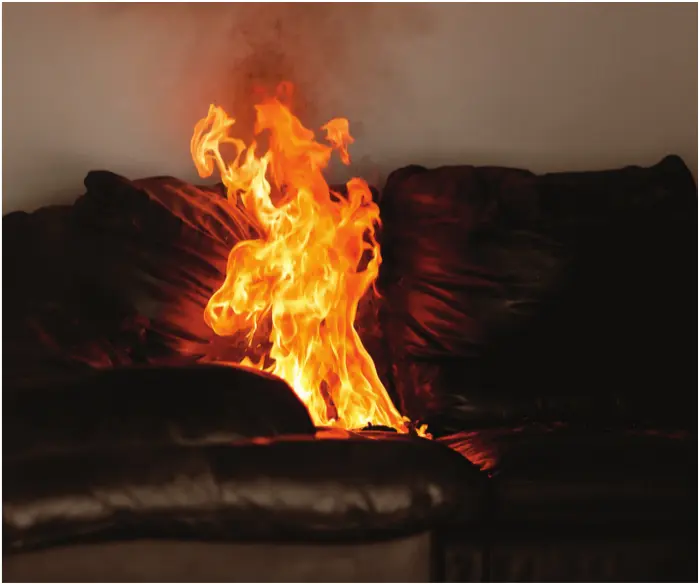
Inhalation of smoke and combustion products is one of the primary causes of death and injury in building fires. This hazard is heightened by the increasing use of synthetic materials...
This report summarises the results of an industry survey asking practitioners about their experience with structural engineered wood products (EWPs) and adhesives. EWPs are used extensively in construction overseas and...
BRANZ, sponsored by Fire and Emergency New Zealand (FENZ), recently researched the toxic smoke inhalation hazards of building contents in building fires – a primary cause of death and injury.
This research aimed to determine which method of ageing and mechanical testing offered the most practical measure of durability for SIPs having timber-based face layers to support the future assessment...
The aim of this research is to better understand how generic magnesium oxide (MgO) boards perform in different building applications in New Zealand. In New Zealand, MgO boards are used...
This study will review international data and research on the toxicity of building materials and contents, to understand the extent to which these materials contribute to the risk of incapacitation...