

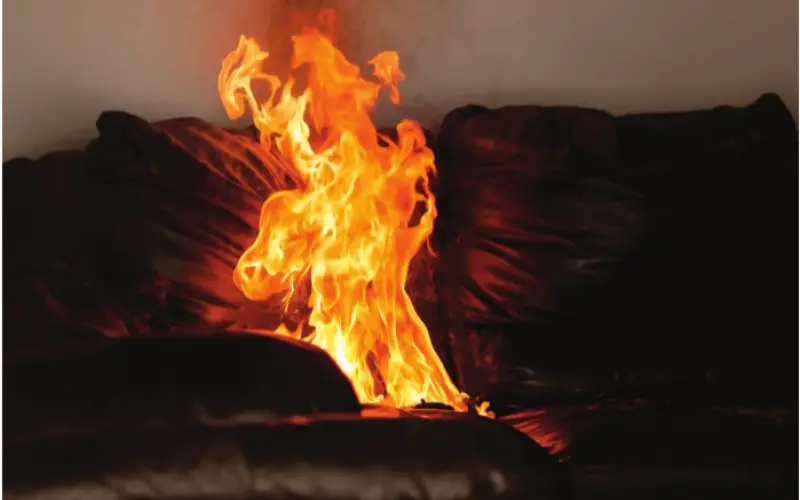


Fire smoke contains a hazardous mixture of toxic products generated by building materials and contents such as furniture as they burn. The type and concentration of toxic products in smoke varies depending on the materials present and the fire conditions.
Synthetic materials increase fire threat
The increased use of synthetic materials in modern furniture and building materials worldwide has contributed to an increased fire threat. One example is the rise in UK fire fatalities between 1950 and 1980, which has been attributed to an increased use of synthetic polymers and chemical additives in building materials and furniture.
In modern buildings, contents are typically made from synthetic polymers, which make cheap, lightweight, durable alternatives to traditional materials. Examples include polyethylene in television and computer parts, polystyrene in appliance housings, polyvinylchloride (PVC) in vinyl flooring, nylon carpets and polyurethane foam in upholstered furniture.
The presence of these materials in building fires has resulted in different types and yields of toxic species in fire effluent, and faster rates of fire development and smoke spread.
BRANZ study looked at toxicity
A 2019 study conducted by BRANZ and sponsored by the Fire and Emergency New Zealand (FENZ) tactical research fund reviewed what was known about the toxic smoke inhalation hazards posed by building contents in building fires.
The study looked at previous toxicity assessments of common modern synthetic building contents materials in fire scenarios. Measuring the hazard due to toxic gases from burning materials is difficult, as replicating the scenario of a building and its contents on fire and at full scale is expensive. While some full-scale experiments have been done, fire-toxicity testing efforts are usually confined to bench-scale experiments that replicate a fire scenario at a smaller scale.
Foam furniture a major risk
Polyurethane foam has been reported as a major hazard in building fires and is of particular concern.
Based on data collected between 2007 and 2014, the main cause of residential fires in New Zealand is cigarettes igniting fabrics in the living room or bedroom.
In large-scale fire tests using a furniture calorimeter, upholstered chairs with and without flame retardants had higher heat release rates than televisions and laptops (12–1,379 kW and 1–10 kW respectively) and reached peak heat release rates faster.
Flame retardants – balancing health and fire safety
The UK Furniture and Furnishings (Fire Safety) Regulations 1988 and California’s Technical Bulletin 117 (TB117:2013) are two notable flammability regulations for domestic upholstered furniture. Furniture flammability requirements are typically achieved by using additive flame retardants in polyurethane foam.
As a result of growing evidence about the toxic effects of flame retardants, there has been debate about whether their fire safety benefits outweigh the associated health risks. Concerns relate to human and environmental exposure and smoke toxicity during a fire.
The use of gas-phase flame retardants that inhibit complete combustion have been shown to increase the yields of the asphyxiant gases carbon monoxide (CO) and hydrogen cyanide (HCN) in fire effluent.
A recent UK study showed a flame-retarded sofa bed (meeting UK flammability regulations) burned more slowly but produced greater quantities of CO and HCN than a sofa bed made from natural (cotton and wool) materials without chemical flame retardant.
By contrast, a review of the risks of flame retardants in European furniture concluded that flame retardants posed no additional toxic risk in fires if the furniture complied with necessary chemical regulations and met the relevant flammability requirements.
Health concerns from fire toxicity
The toxicity hazard posed by building fires includes both acute and chronic toxicity. During and after a building fire, human exposure to toxicants can be via inhalation, dermal absorption or oral ingestion. Some products can also cause corrosion to building materials and environmental contamination.
Protecting firefighters’ health
Health effects of long-term exposure to fire contaminants has been studied in the context of firefighters and their elevated cancer incidence.
The results of analysis of wipe samples from skin, personal protective equipment (PPE) and the firefighters’ work environment showed an elevated risk of cancer due to dermal exposure.
FENZ has been implementing new measures recently to protect firefighters from the toxicity hazards during and after firefighting activities. These include more rigorous decontamination procedures and the introduction of air-purifying respirators (APRs) to complement self-contained breathing apparatuses (SCBAs).
Potential effects on other people near a fire
While research on the effects of fire effluent exposure on firefighters is growing, potential effects on occupants and buildings surrounding a fire have been less well studied. Research following the Grenfell Tower fire in London has highlighted the need to better understand post-fire environmental contamination levels and the associated long-term exposure risks.
Samples of debris and char from Grenfell Tower were found to contain a mixture of hazardous toxicants. Soil samples taken 6 months after the fire within a 150 m radius had carcinogen concentrations that exceeded guideline values.
The presence of these toxicants in the soil indicates that they had leached from the fire debris into the environment. Findings also raised concerns around the contamination of living environments. This concern was sparked because a harmful liquid substance was found on a window blind in a living space because of the fire.
Alternatives needed to reduce flammability
This BRANZ study showed that, while the flammability of foam furniture is a major risk in building fires, the implications of the potential use of flame retardants to reduce flammability must be well understood and adequately managed.
Future work was recommended to investigate the feasibility of alternative ways of achieving reduced flammability, including novel chemical and non-chemical options. Recommendations were also made to better understand the levels of contamination that remain in buildings after a building fire.
For more: For further information about current BRANZ research in this area, contact Anna Walsh at anna.walsh@branz.co.nz.