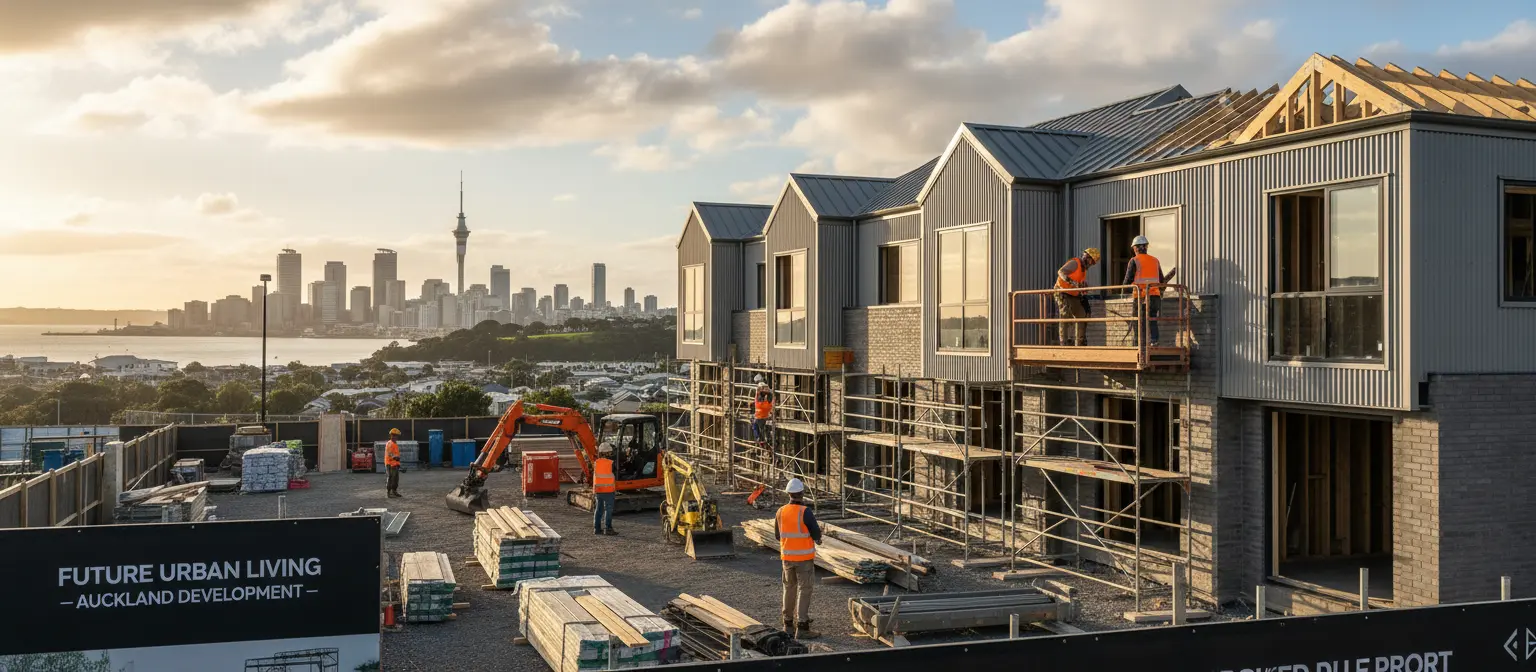
New research will discover how investing in resilient, adaptable homes can deliver long-term affordability, reduce climate risks and create lasting value for homeowners and communities across Aotearoa New Zealand.
How are construction companies dealing with embedding an understanding of climate change into their business? A BRANZ study in association with the University of Otago came up with some answers.
With science telling us that climate change is already contributing to record floods, extreme high temperatures, droughts and rising seas, the next few years will require significant action from both the government and the construction industry.
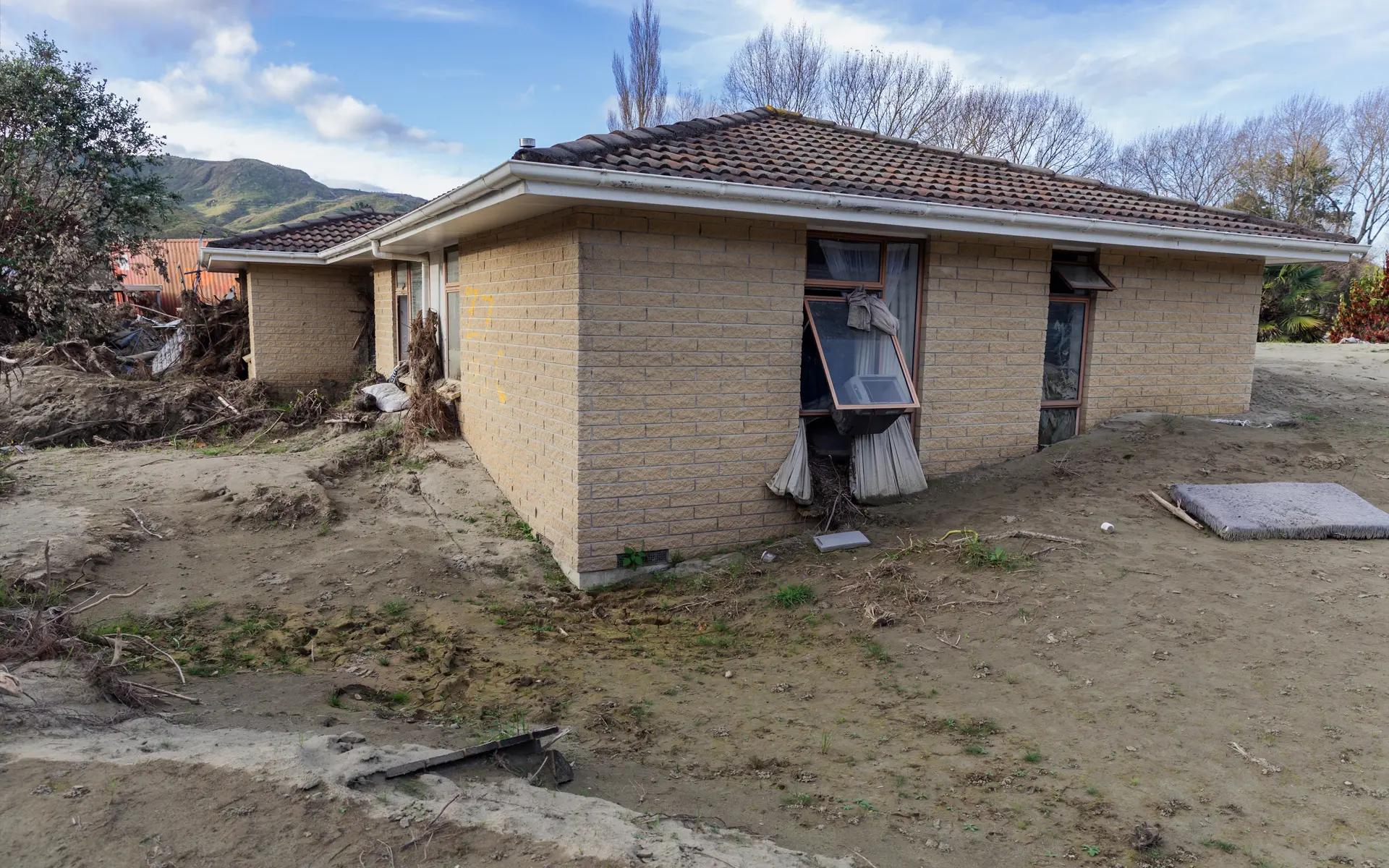
Following Cyclone Gabrielle and the Auckland Anniversary floods in 2023, BRANZ Bulletin BU666 Restoring a home after flood damage (link below) proved invaluable for thousands of households facing a major clean-up...
What is the government doing to adapt current building and housing stock to become more climate resilient and reduce carbon emissions to help mitigate the effects of climate change?
From 1 July 2025, people planning to build a new home and the building industry at large have access to better information around the natural hazards applying to building sites. Owners of land affected by natural hazards now have less power to block the disclosure of information that councils hold.
Climate change will force councils and government to wrestle with the complications of moving people away from their communities. But how will managed retreat work and who will pay? A paper by the Environmental Defence Society (EDS) has looked at the options.
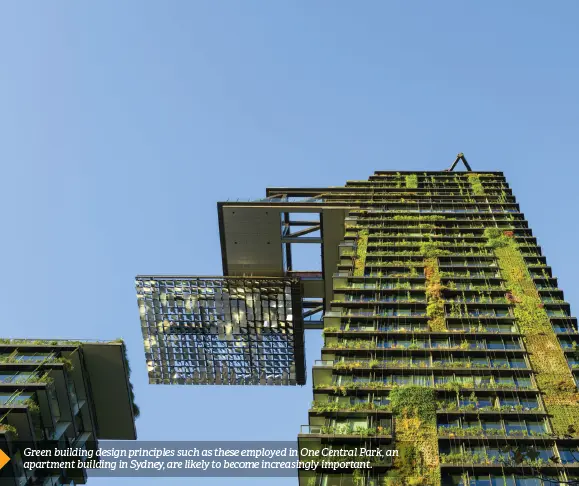
A greenfield project in Hamilton, Aotearoa New Zealand, social housing in Milan, Italy, and a large-scale Passivhaus development in York, UK, are far flung geographically but share innovative solutions in climate-friendly construction.
Managing the risk that natural hazards pose to people, properties and communities requires an interdisciplinary approach that spans science, policy and politics.
Once the decision to proceed with a building project is made, reliable, research-backed resources are available that offer advice on reducing a building’s vulnerability to extreme natural events.
Temperature monitoring in New Zealand homes over summer 2023/24 – part of BRANZ’s Household Energy End-use Project 2 (HEEP2) – confirms that overheating is a problem for many. However, there are design and low-cost ventilation principles that can help.
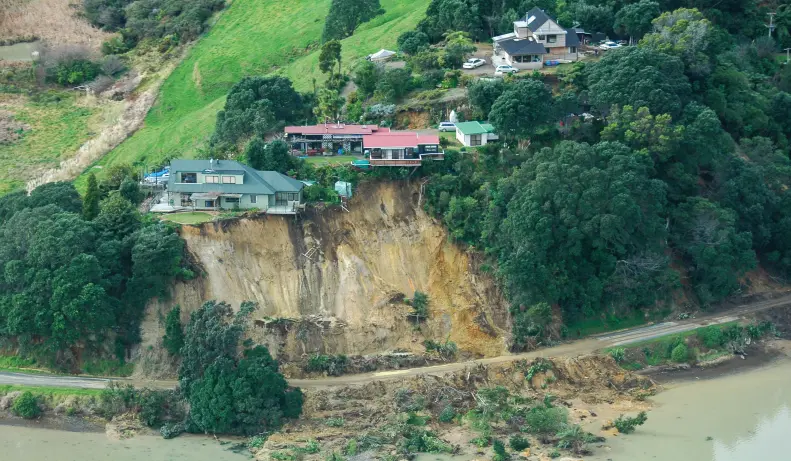
In some places, the risks posed by natural hazards might be so significant that building simply isn’t recommended. How do designers, builders and their clients decide?
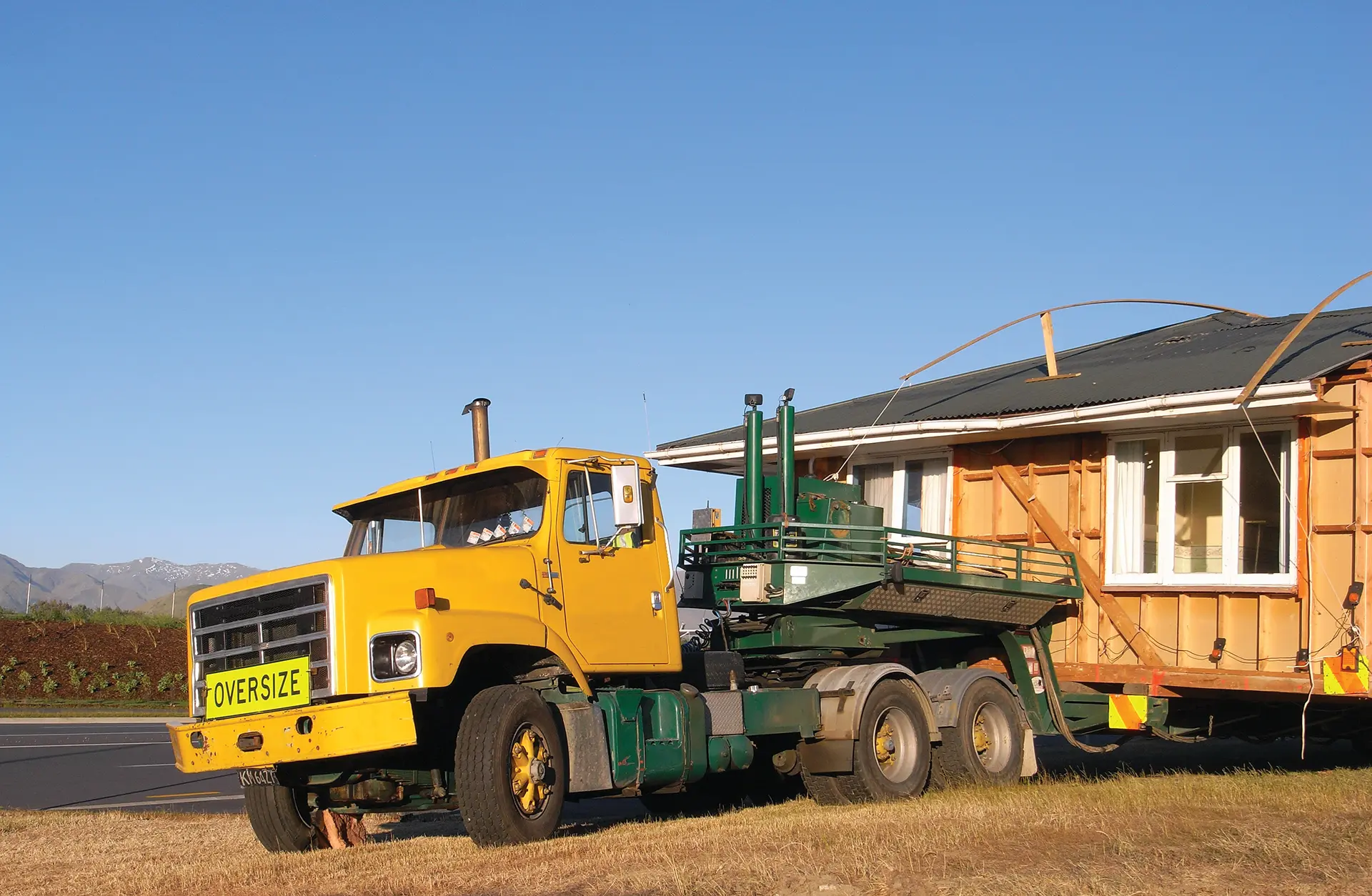
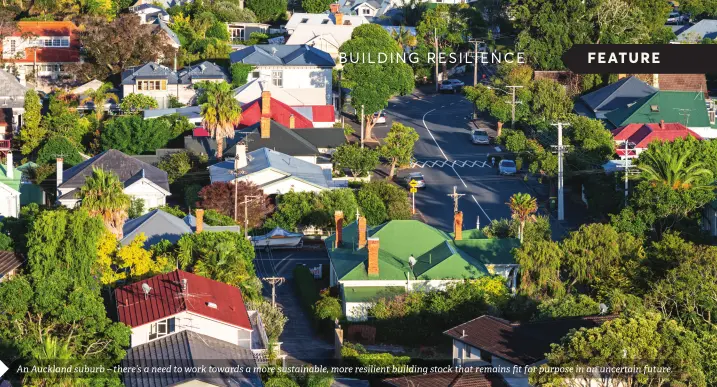
Over a third of the houses removed following damage in the 2023 Auckland floods have been relocated. Relocation is preferred over deconstruction or demolition as it reduces waste going to landfill and provides a home for a new household.
While the release of the first national adaptation plan sets a path forward as to how to develop resilience to climate change, it could be more inclusive of the construction industry and consider the impact of climate change on human behaviour.
At a time when Aotearoa New Zealand’s freshwater is under increasing threat from urbanisation and our communities are having to adapt to the changing climate, we must renew our ability to have a positive relationship with nature and to support well-functioning urban environments.
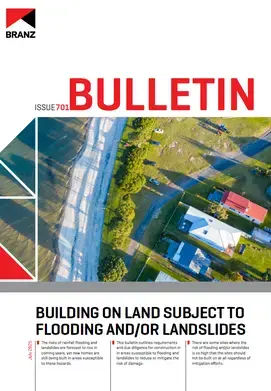
There are a number of recently developed resources aimed at improving the resilience of our housing stock. They include BRANZ bulletin BU701 Building on land subject to flooding and/or landslides,...
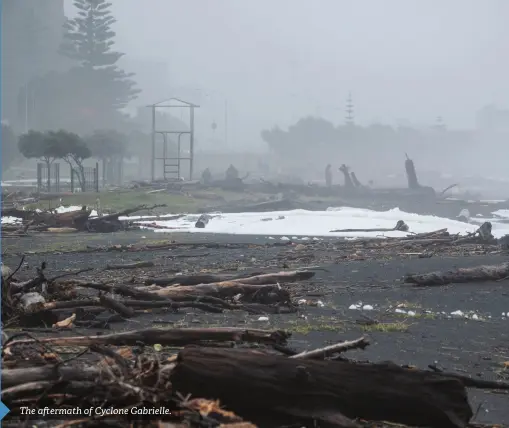
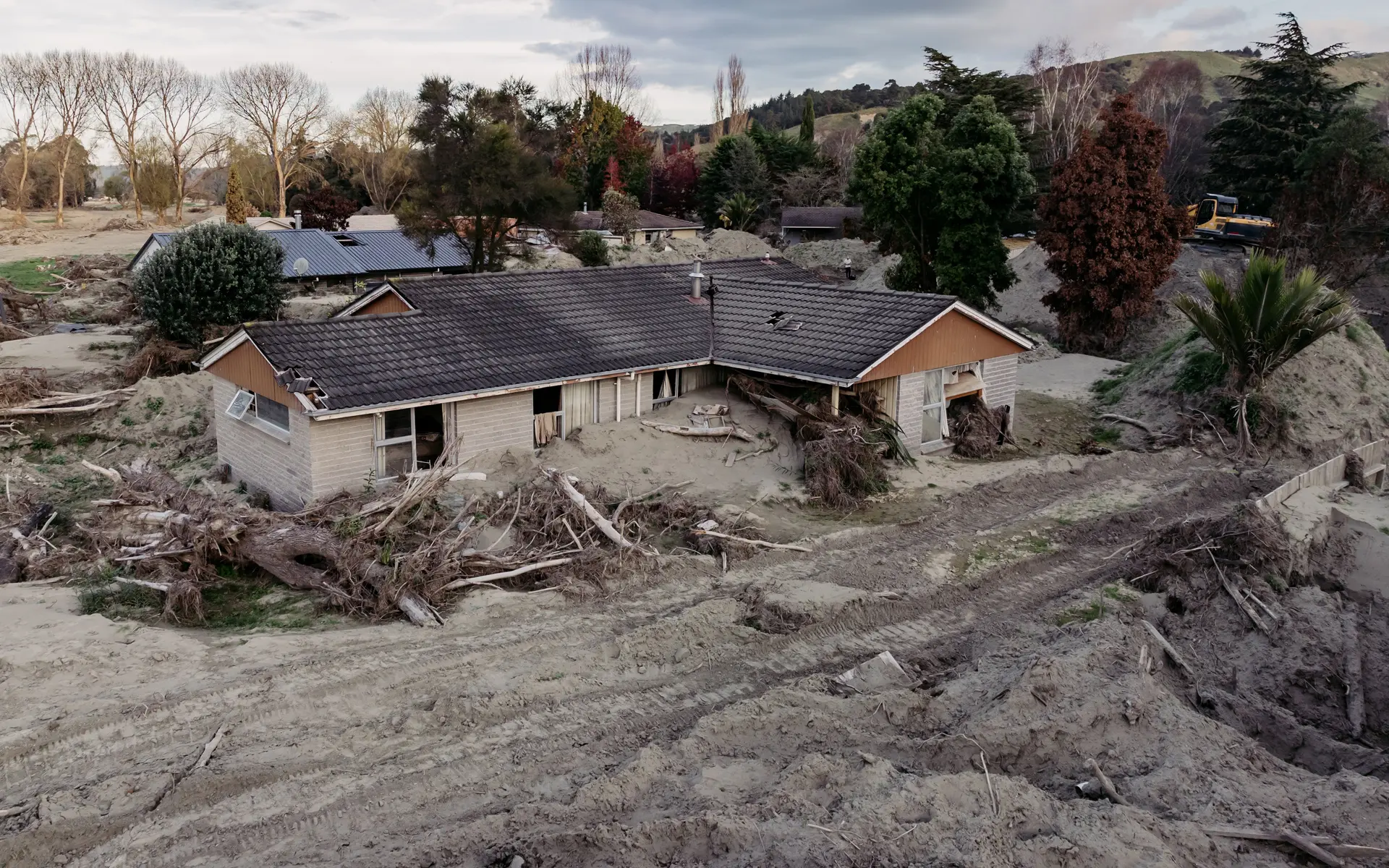
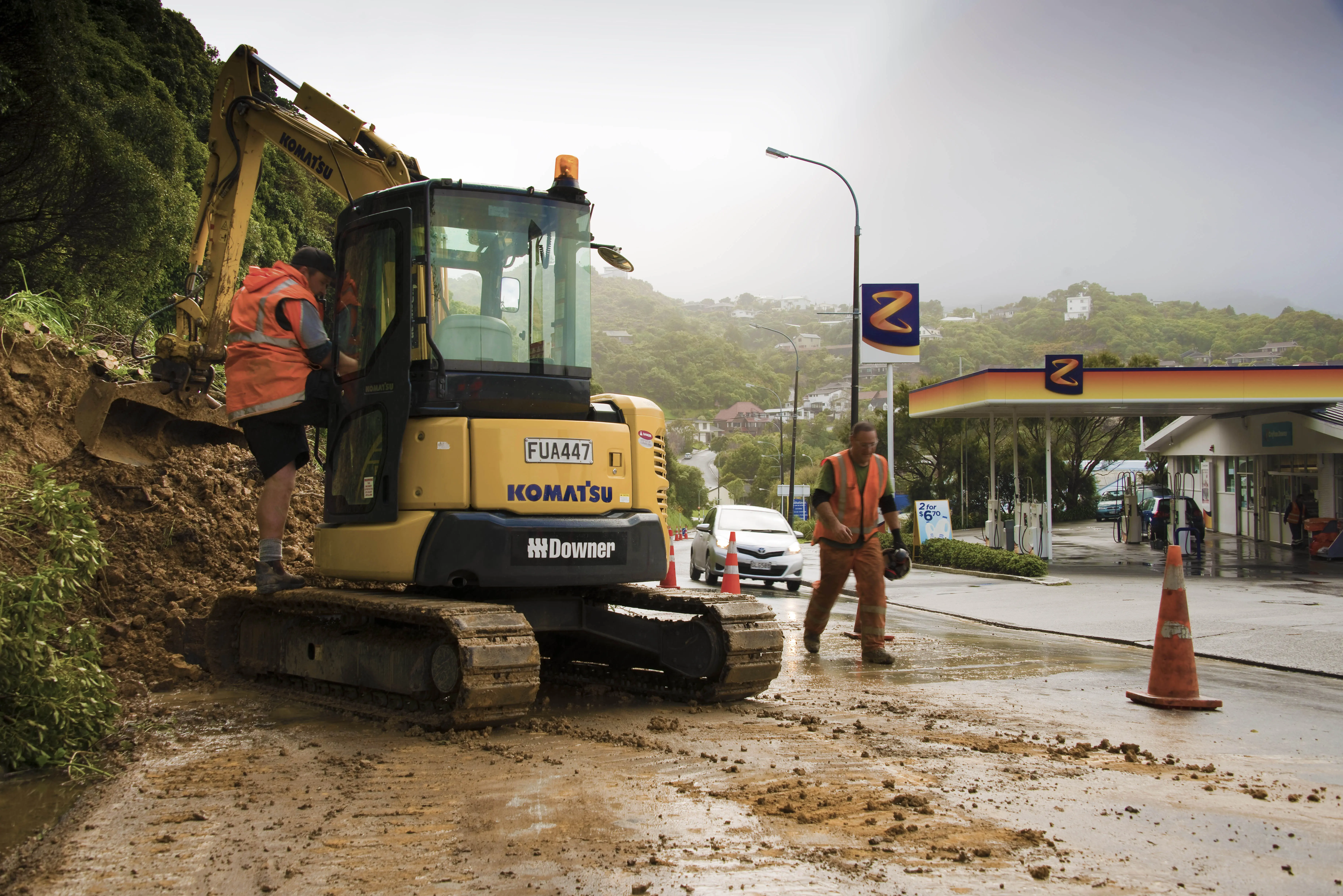
The devastation and shock following Cyclone Gabrielle gives Aotearoa New Zealand the opportunity to think about building back better – an established concept that looks as creating stronger structures, more-resilient communities and systems.
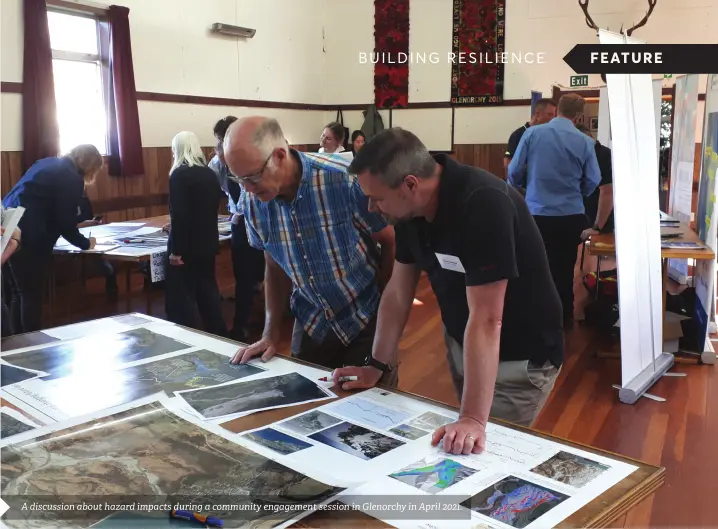
From those living in remote rural areas to inner-city residents, communities are getting together to develop disaster preparedness plans. The evidence is that the more communities connect with each other, the more resilient they will be when a natural disaster occurs.
Toka tū Ake EQC is working towards improving the resilience of Aotearoa New Zealand’s homes and buildings. They have released two plans about how to achieve this and are putting out a call for others to get involved.
NIWA’s latest climate projections for Aotearoa New Zealand have just been released. While the outlook for our built environment generally hasn’t changed since the last release, the quality and accessibility of the data for planning purposes have improved significantly.
There’s cross-party consensus on developing a framework for climate change adaptation in Aotearoa. The government could well look to the UK’s successful adaptation plan for inspiration.
A new collaborative research project led by BRANZ will provide practical guidance for building greater resilience to climate and other natural hazards into our homes and recovering more efficiently should disaster strike.
Marae are part of Aotearoa New Zealand’s precious cultural heritage. With many under threat from climate change, there is an urgent need to find better ways of adapting to future threats and to build climate resilience. A research project looked at solutions.
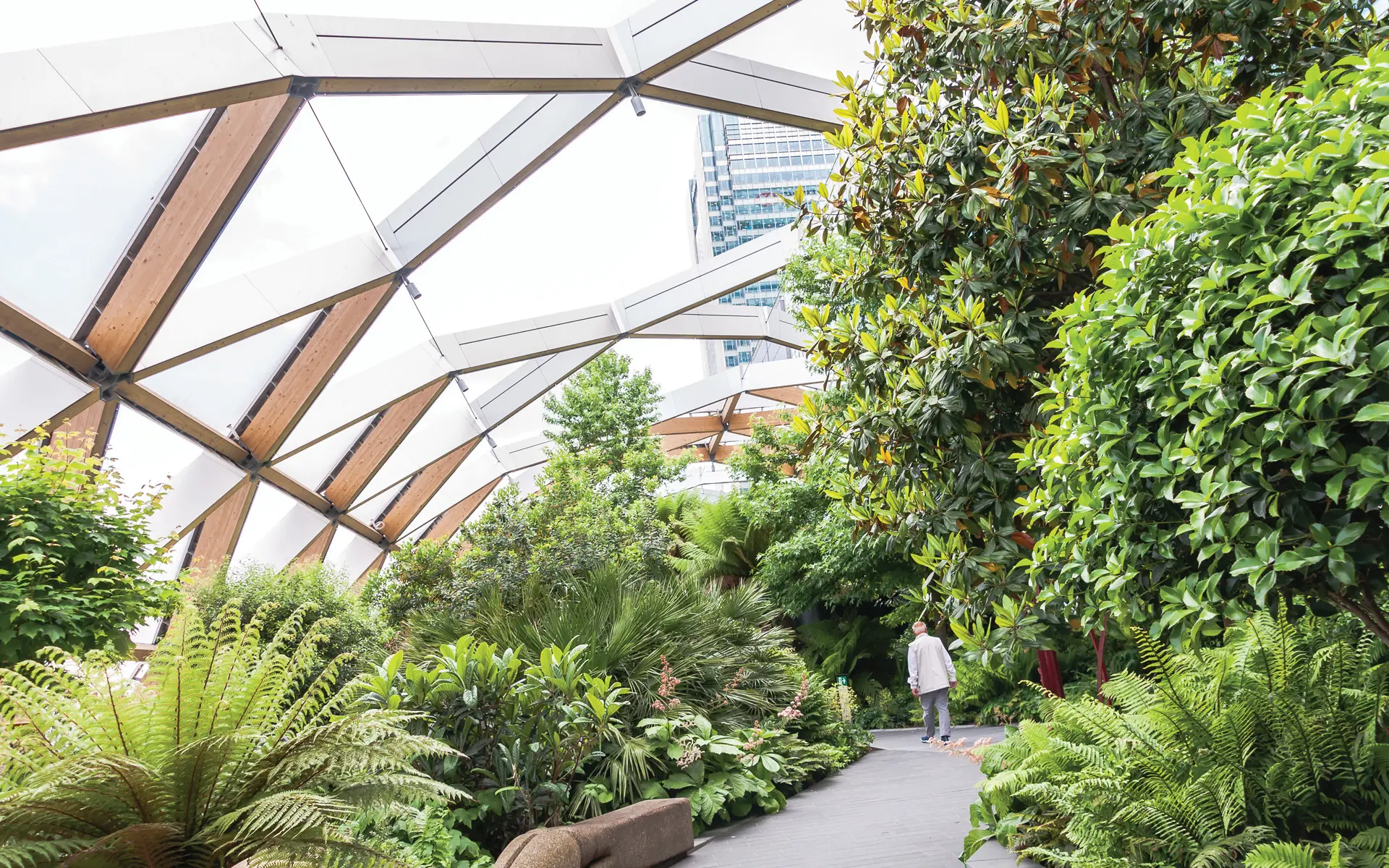
There is an emerging understanding of the need to consider nature when designing our cities. Nature-based design is known to improve quality of life and helps mitigate the effects of climate change
This is the fourth and final report in a series prepared during a 3-year research project examining the implications of climate change for the construction sector. This report presents adaptation...
Product Description This project explores the human factors behind the industry’s willingness or otherwise to adopt new practices, even when there is clear evidence of potential advantages to them in...
This report looks at climate change-related building issues as related to new New Zealand domestic buildings. It examines climate change-related impacts and suggests possible mitigation methods (for dwelling in a...
This study report provides guidance on adapting New Zealand’s built environment for the impacts of climate change.It is designed to help government agencies and the building and construction industry to...
Agriculture makes a critical contribution to the New Zealand economy. It has grown, adapted and innovated in response to changes in markets, technology and government policy over many decades. As...
The objective of this report is to assess the need to adapt houses in New Zealand to climate change. Our assessment is based on medium-low and medium-high climate change scenarios...
With New Zealanders shocked by the impact of Cyclone Gabrielle and other recent damaging weather events, there’s an opportunity to raise community awareness about the need to build back better and improve the resilience of our homes and buildings against climate change, says BRANZ Acting CEO Claire Falck.
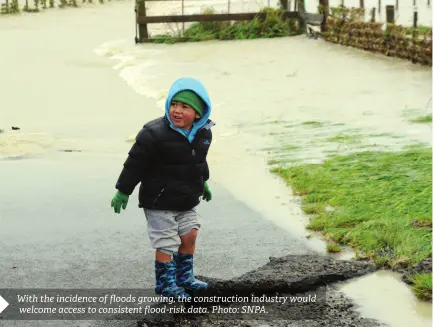
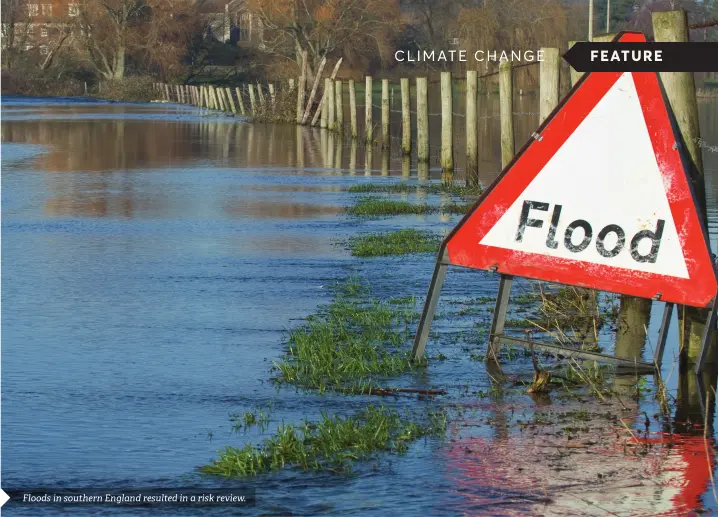
Floods can not only destroy property but devastate lives and communities. What controls do we have to protect people and their most important assets from growing flood risks?
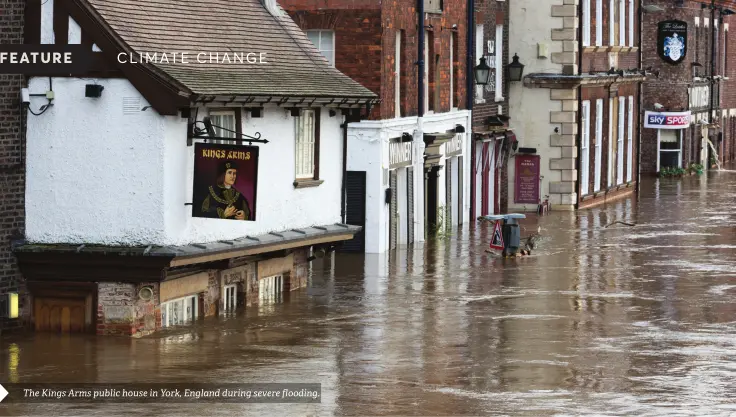
Aotearoa New Zealand is facing the same problems as other countries as climate-change floods wreak havoc. One piece of good news – we can learn from actions taken by places such as the uk, the us and Australia and consider the strategies they have developed.
As several articles in this climate change feature note, Aotearoa New Zealand has a wealth of knowledge it can use and adapt from other countries for dealing with the floods and inundations that are occurring. In particular, the uk’s long-established strategy to manage the risk of flood and coastal risk is data-heavy, is backed by the national insurance industry and shows where money should be spent to reduce risk.
When asked about our worst natural disasters, many New Zealanders think of earthquakes. But after the recent events in Auckland and Hawke’s Bay, the greatest disaster risk we have to manage may be quite different, prompting the question should we look elsewhere for some answers?
In recent years we have come to read a lot about 1-in-100-year floods. If you think this refers to a flood happening just once a century, you’re wrong.
Once the decision to proceed with a building project is made, reliable, research-backed resources are available that offer advice on reducing a building’s vulnerability to extreme natural events.
The risks of rainfall flooding and landslides are forecast to rise in coming years, yet new homes are still being built in areas susceptible to these hazards. This bulletin outlines...
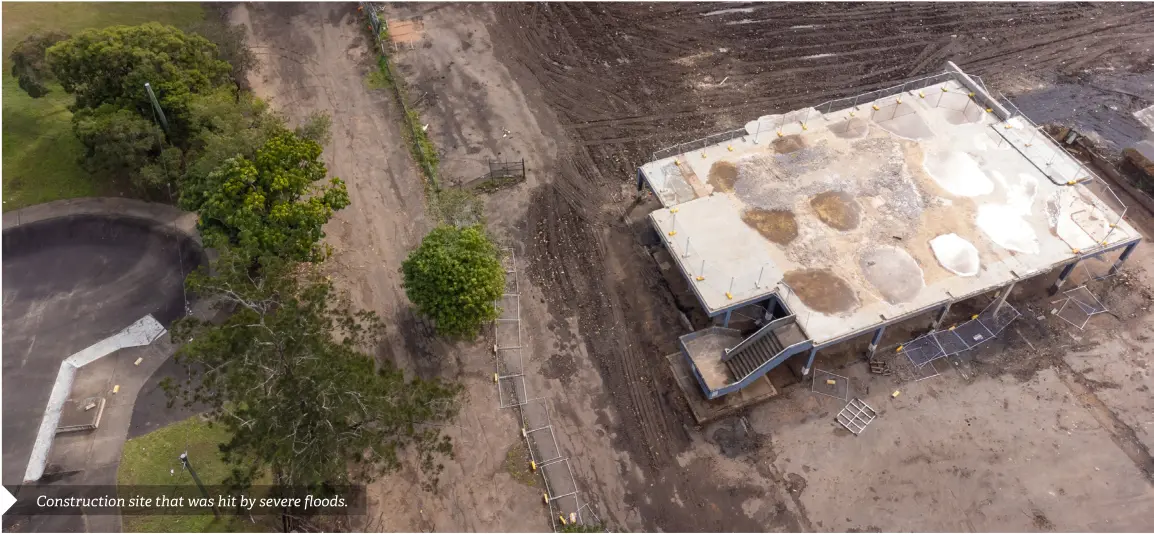
Following damage or loss to contract works or a construction site after a storm or flood, allocations of risk will be determined by the terms of a construction contract.The potential...
This is a short report providing a background to the development of the wind loading provisions for light timber-framed (LTF) houses over the decades and indications of the likely deficiencies...
Product Description Available calculation methods for predicting the action of along-wind, across-wind and torsional forces on buildings have been reviewed and a comparison made between the response obtained by these...