



Preliminary analysis from a national survey conducted across Aotearoa’s maraes revealed there are significant challenges that must be addressed to ensure the prosperity of hapori Māori (Māori communities).
Surveying the impact of natural hazards
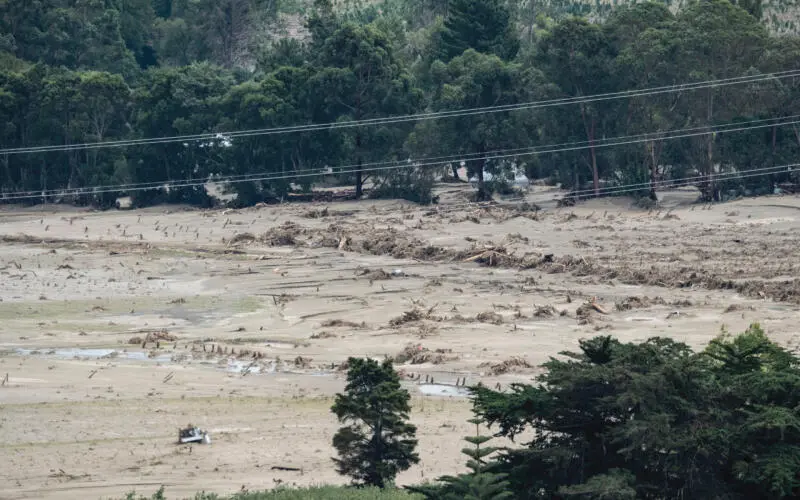
The primary concerns revolve around the impact of natural hazards – particularly floods and storms – that are aggravated by the effects of climate change. Recent events such as the destructive Cyclone Gabrielle have highlighted the stress caused by climate change on Aotearoa New Zealand’s infrastructure, livelihoods and communities.
Coastal erosion, storm surge, flooding, landslides and drought are already wreaking havoc on the whenua (land) and oranga tonutanga (continued wellbeing/ survival) of marae – a symbol of mana motuhake (Māori identity).
Marae losing land to erosion
The survey results indicate that, to date, the impacts of climate change are being felt with increasing frequency and severity by marae. The consequences of these impacts are evident as marae are losing land due to both coastal and river erosion. Among the 56 marae which have responded, it was found that, every year:
- three marae face coastal erosion
- two marae face drought
- six marae face flooding
- two marae experience landslides
- two marae are affected by storm surges.
Some marae reported losses of over 100 mdue to coastal erosion, and among those affected by river erosion, three marae experienced over 100 m of land loss, while five marae faced 50–100 m of land loss. Additionally, the loss of mahinga kai (food-gathering areas) is occurring as a direct result of climate change impacts, often due to land erosion.
Survey respondents expressed their commitment to mitigating the effects of climate change but emphasised the urgent need for culturally relevant data, advice and solutions.
Out of the marae surveyed, 45 had initiated efforts to reduce the impacts of climate change although at different levels of activity, 28 marae reported discussing climate change but were uncertain about the next steps to take and eight marae had a climate change plan but faced funding challenges. Nine marae had been discussing climate change for some time and were clear about the necessary actions. Only six marae indicated that they had sufficient assistance and information, highlighting the high demand for support.
Proposed solutions
The survey also asked for potential solutions, with 26 marae considering marae relocation. This is highly contentious and emotive for whānau, hapū and iwi because of the need to preserve the cultural significance of the whenua and marae.
Some marae, faced with recurring flooding, are contemplating relocation to higher ground to avoid future pain and devastation. Others expressed concerns about losing significant taonga (treasures) and the potential disturbance of urupā (ancestral resting places) due to erosion. One survey respondent wrote that ‘erosion along the banks of that river would be disastrous as there could be potential for the wāhi tapu (sacred place) foundations to be gouged out and our loved ones disturbed. Furthermore, we have no other place to relocate our marae to.’
The decision to relocate or stay is a difficult one as it revolves around the deep connection between whakapapa (ancestry) and the whenua. One respondent captured the sentiment, saying that ‘ideally, nobody ever wants to leave their whenua’. Acknowledging the complexity of the decisions, one respondent mentioned ongoing discussions regarding relocation or building up the land, but no solution has yet been reached. Limited funding emerged as a significant hurdle, as many rural marae lack the necessary human and financial resources to address the impacts of climate change.
Proposed solutions being considered in adapting to climate impacts include lifting and shifting a marae to higher ground, conducting feasibility studies to upgrade marae facilities and exploring options for inland relocation. Sustainable solutions such as improving septic and wastewater systems, implementing off-grid power and wireless communications, and ensuring access to clean water and sustainable power are also being contemplated in potential marae upgrades.
Pressing need to act now
This research underscores the challenges faced by marae, the pressing need for assistance and the urgency to act. The next phase of the study will involve a more in-depth analysis with selected iwi and marae across Aotearoa – identifying cost-effective and practical solutions to protect marae, our tūrangawaewae (place of belonging).
Climate change poses an existential threat to our culture, our whakapapa, our economy and our natural environment. In Aotearoa, whānau, hapū and iwi must remain at the forefront of climate action and the solutions must be their own.
To take part
The survey is still open for marae that would like to take part in the study. To participate, email research@buildbackbetter.co.nz
If your marae would like to speak to our researchers, contact Kiri Maxwell at kiri@buildbackbetter.co.nz