

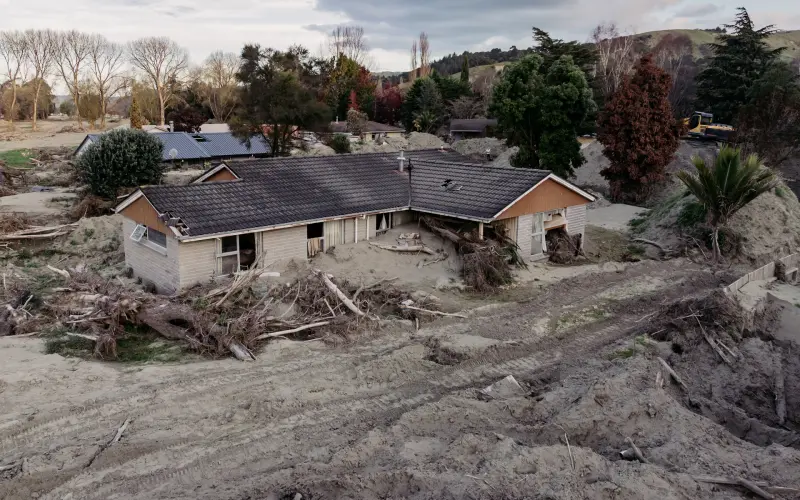


The name Gabrielle will forever be etched into Aotearoa New Zealand’s collective psyche. The destructive power of the ex-tropical cyclone that struck in February 2023 remains raw in the minds of many in the north and east of the North Island. Following hard on the heels of unprecedented flooding in Auckland, Gabrielle is stark evidence of what our climate can – and is increasingly likely to – deliver.
Gabrielle, the Auckland floods and several other recent events have highlighted the need for consistent, evidence-based guidance on how to fortify our homes against future extreme weather and other natural hazards. In the ongoing aftermath of the storms, opportunities for improved decision making about the future of affected homes and homeowners have also come to light.
BRANZ has begun a 2-year research project aiming to address these needs in partnership with organisations from central government, councils, universities, insurance and private consultancies.
Known and unknown risk
BRANZ Senior Materials Scientist and co-leader of the project Kathryn Stokes says flooding represents the most obvious and immediate climate change-related risk to our buildings.
‘Recent research from the Resilience to Nature’s Challenges team found that over 440,000 houses around the country are located in areas known to be at risk of flooding. Their estimated replacement value is $218 billion and flooding represents the majority of insurance repair claims,’ she says.
‘These are the flood zones we know about. The figures don’t include homes that may face increased risk of flooding in the future as the climate continues to change.’
Quite apart from the direct risk to lives and livelihoods, the insurance risk alone signals a clear need for practical guidance that directs effective action around climate resilience, Kathryn says.
‘If we’re better placed to withstand nature’s onslaughts, everyone stands to gain – homeowners, occupiers, communities, councils, insurance companies, banks, landlords and property developers.’
It’s not just the direct impacts of climate change that need addressing, Kathryn adds. ‘Changing weather patterns might alter ashfall paths or ash dispersal processes when our volcanoes erupt, potentially impacting larger or unexpected regions.’
After the event
In the aftermath of extreme weather or other natural events, one of the greatest challenges is knowing how best to proceed so that homeowners and occupiers can get on with their lives as quickly as possible. There are multiple decision points along the way from the emergency response to future resilience planning.
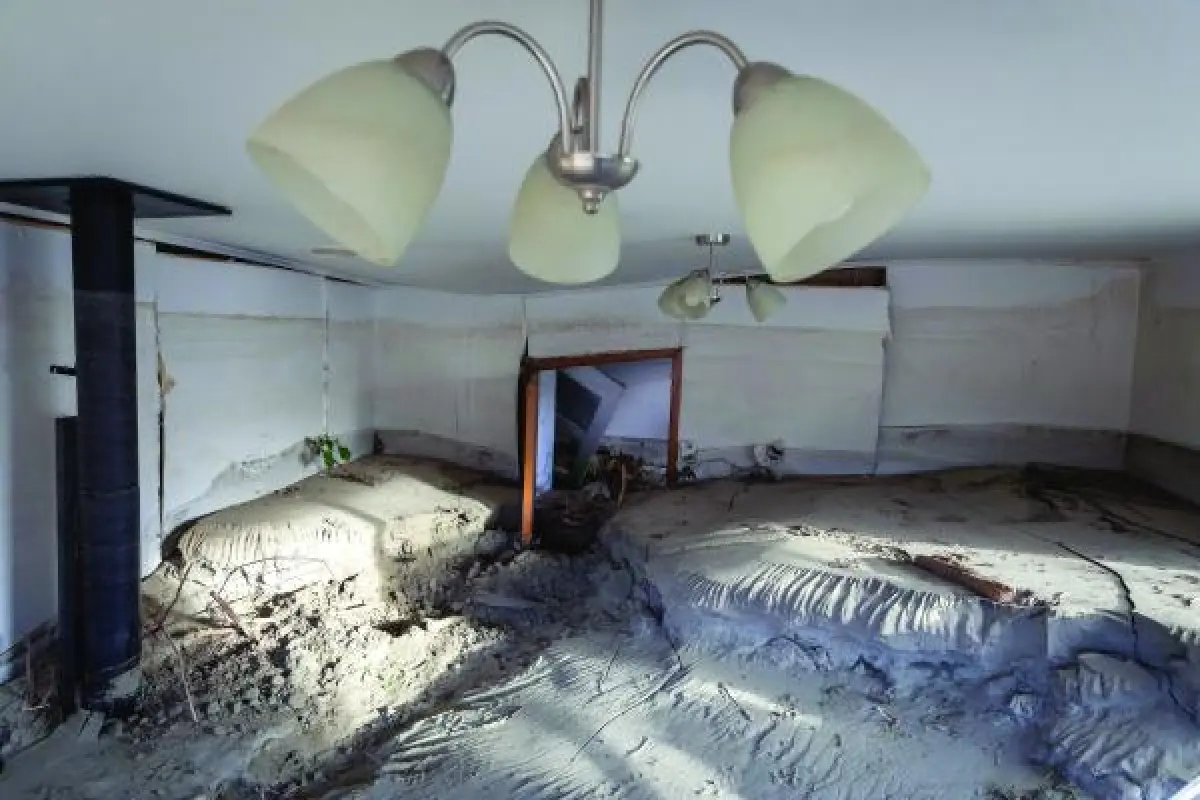
‘For example, there’s the immediate assessment of whether a dwelling is uninhabitable, unsafe or insanitary – the red stickering phase. There are decisions about when wall linings and insulation can be removed to allow the building to dry out after a flood. There might even be a difficult decision to make about rebuilding, relocating or demolishing,’ explains Catherine Nicholson, also a BRANZ Senior Materials Scientist and the project’s co-lead.
‘In addition, damage can be exacerbated because action is not taken quickly enough after an event.’
Reviewing, understanding and filling gaps
The research project, which began in April 2024 and will conclude in March 2026, consists of two streams.
Stream 1 focuses on the options for recovery, including a comprehensive review of guidance that already exists here and overseas. The goal is to update or adapt that guidance for multiple audiences as appropriate.
Stream 2 addresses the question of how a building is classified for rebuilding or demolishing after a severe event or to proactively limit damage through relocation or other protective measures. Close engagement with all agencies involved will result in a clear understanding of these processes and inform any future guidance needed for the sector.
Streams 1 and 2 will run concurrently and identify the knowledge gaps that need to be addressed either by BRANZ or our research partners and stakeholders.The scope of the project has required the assembly of expertise in many disciplines, including materials, engineering, fire, building performance, social science, economics, planning, regulation and compliance, and insurance. Most importantly, engaging more closely with communities and those directly impacted during severe events is a key focus of this work.
A well-considered process
‘Overall, we’re looking to promote a behaviour shift from a reactionary and potentially suboptimal event response to a well-considered recovery process at all steps from the immediate emergency response through to the long-term future of the dwelling and its occupants,’ says Catherine Nicholson.
‘This requires a consideration of both the technical aspects of the home such as its safety, performance and location as well as the social aspects – how major events impact people.’