Could banks encourage new-build customers towards designing more comfortable and efficient homes? A new report suggests they could, revealing synergies between building, lending and home performance and presenting opportunities for banks and their customers.
Many people in the housing sector are working hard to make sure that all people in Aotearoa New Zealand have a warm, dry, safe place to call home – essential for thriving communities. A new project is looking at how the way we talk about the issue can deepen understanding and inspire us to act for a better system.
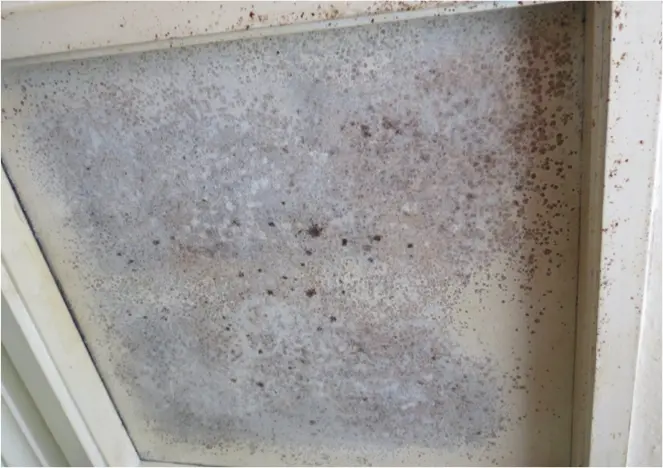
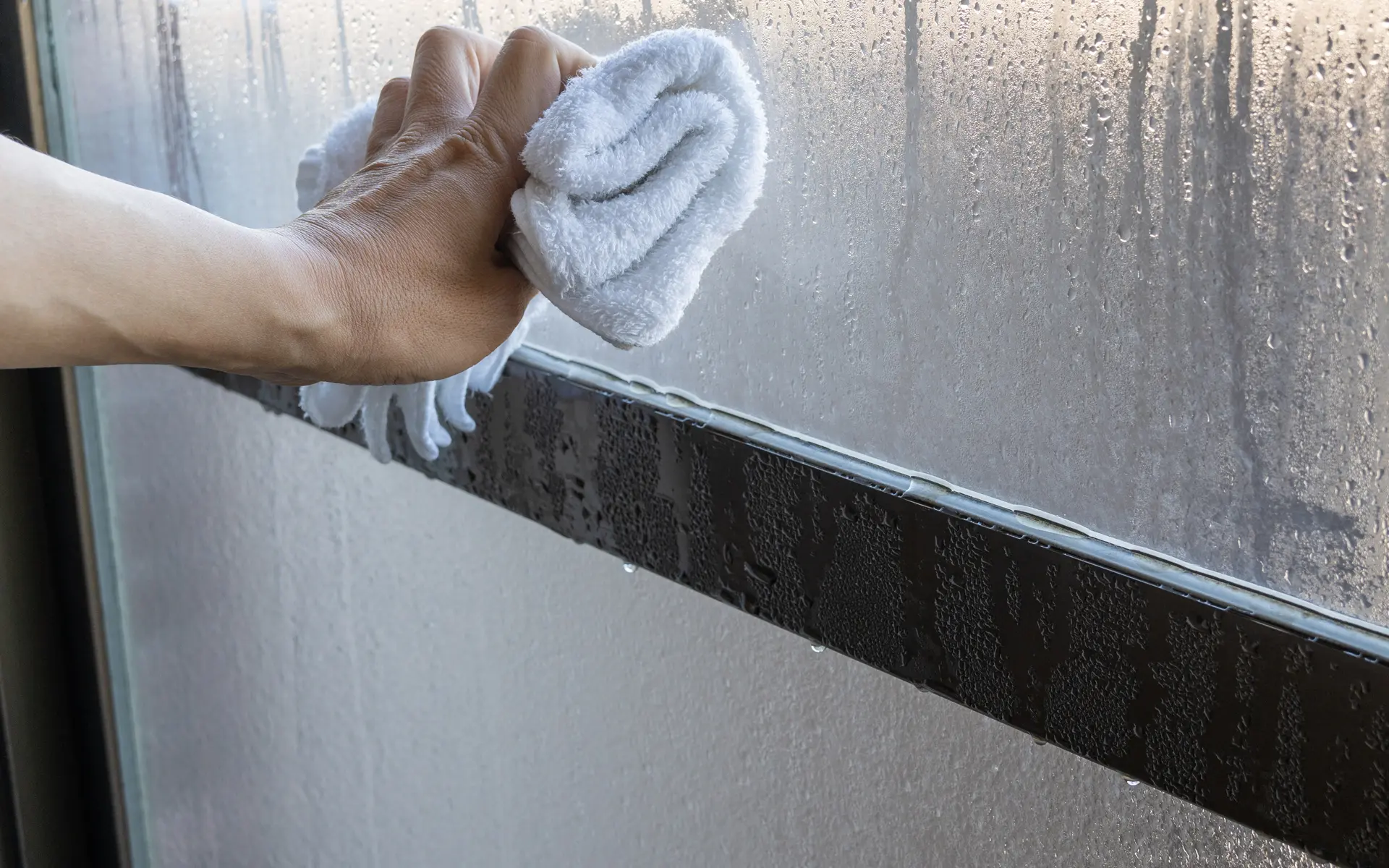
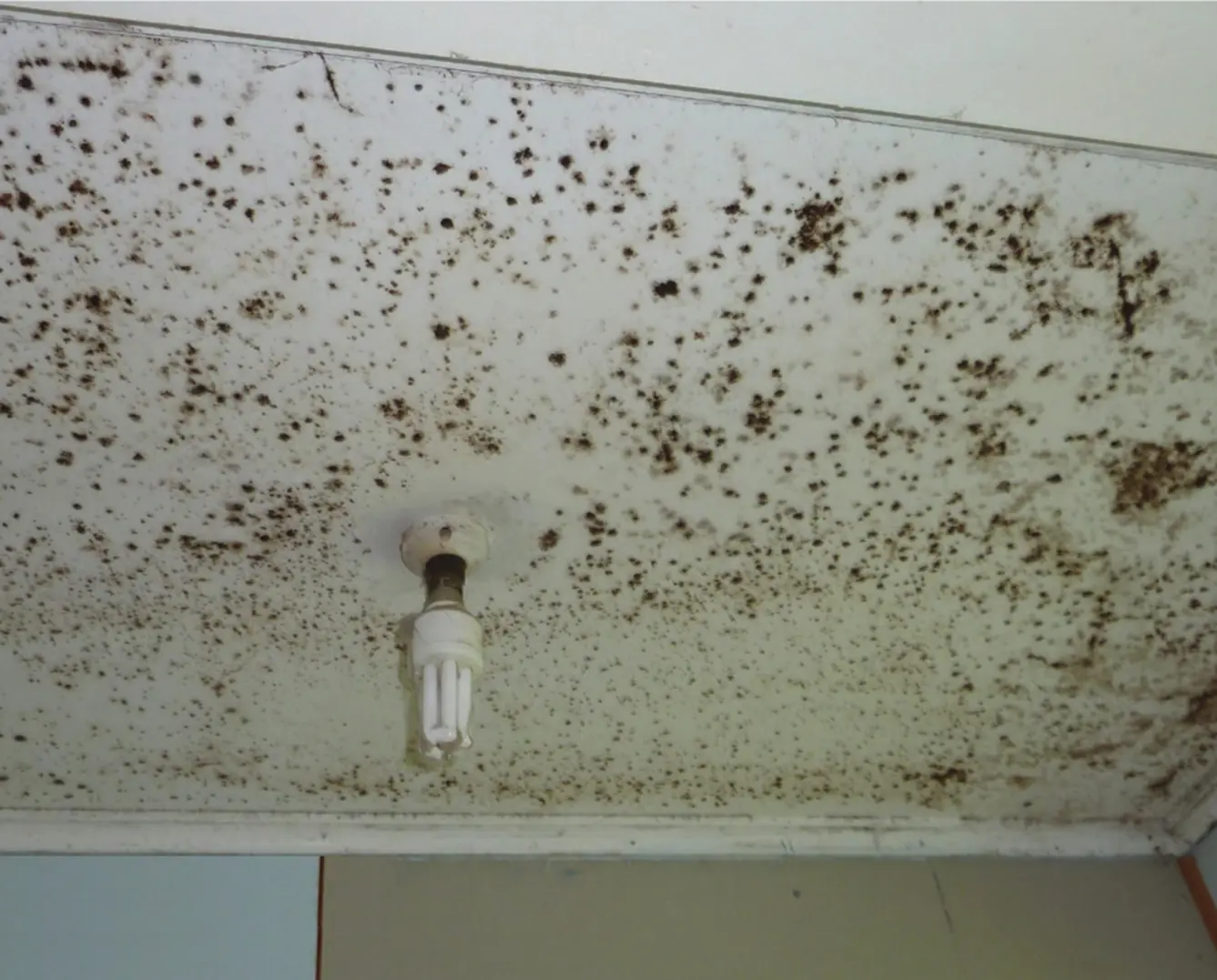
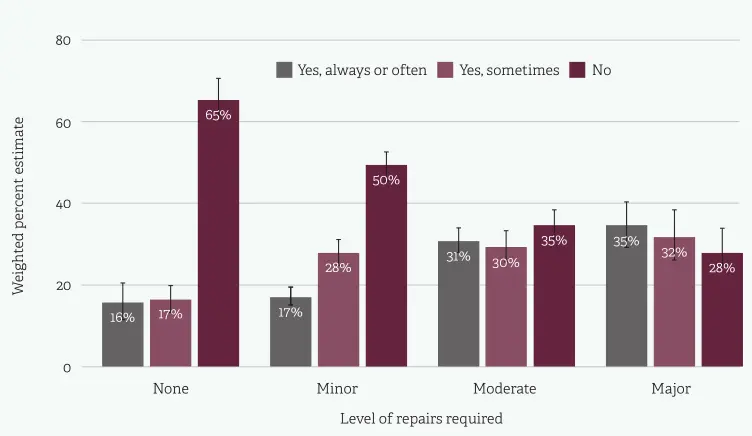
Both the BRANZ House Condition Surveys and national censuses have found that mould exists in a significant number of homes. This is bad news, as evidence links mould and damp in houses with poor health and social wellbeing.
As we push for higher performance from our houses, expectations for airtightness and ventilation are changing rapidly. Some changes will be needed in design to improve airtightness, and mechanical ventilation is likely to soon be the norm.
Studies by BRANZ and other researchers have shown that healthy homes provide a range of benefits for their occupants. They’re warmer in winter and cooler in summer, drier, better ventilated and often cheaper to run. So why aren’t we routinely building them?
Conventional ventilation keeps a home sufficiently aired but has an energy cost. An option is to install a mechanical ventilation heat recovery system that ventilates a home while efficiently conserving energy.
By following some easy to implement practices, occupants in a new centrally heated home were able to reduce high levels of internal moisture and enjoy a comfortable indoor environment.
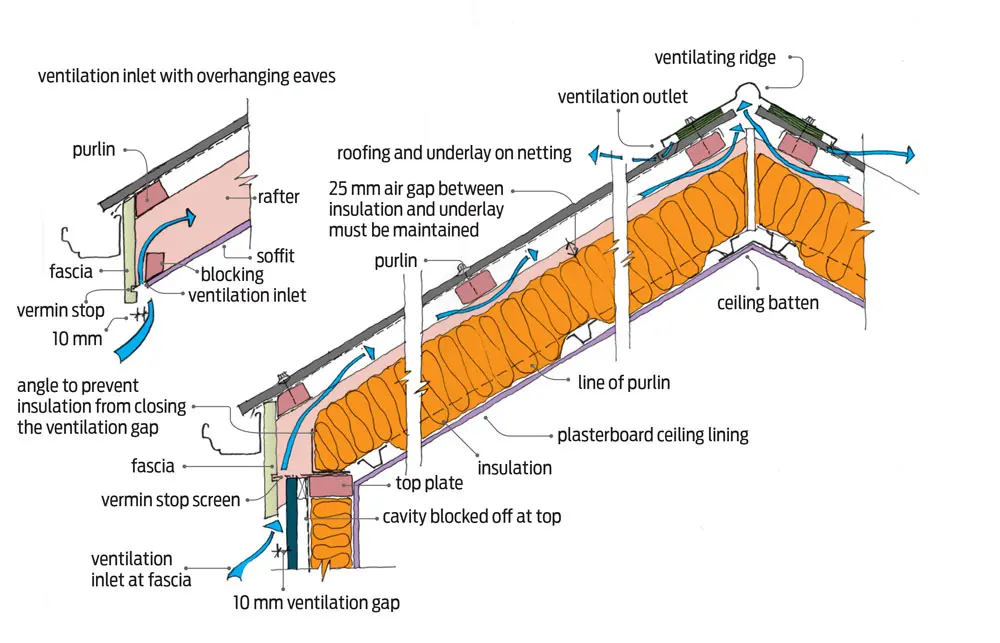
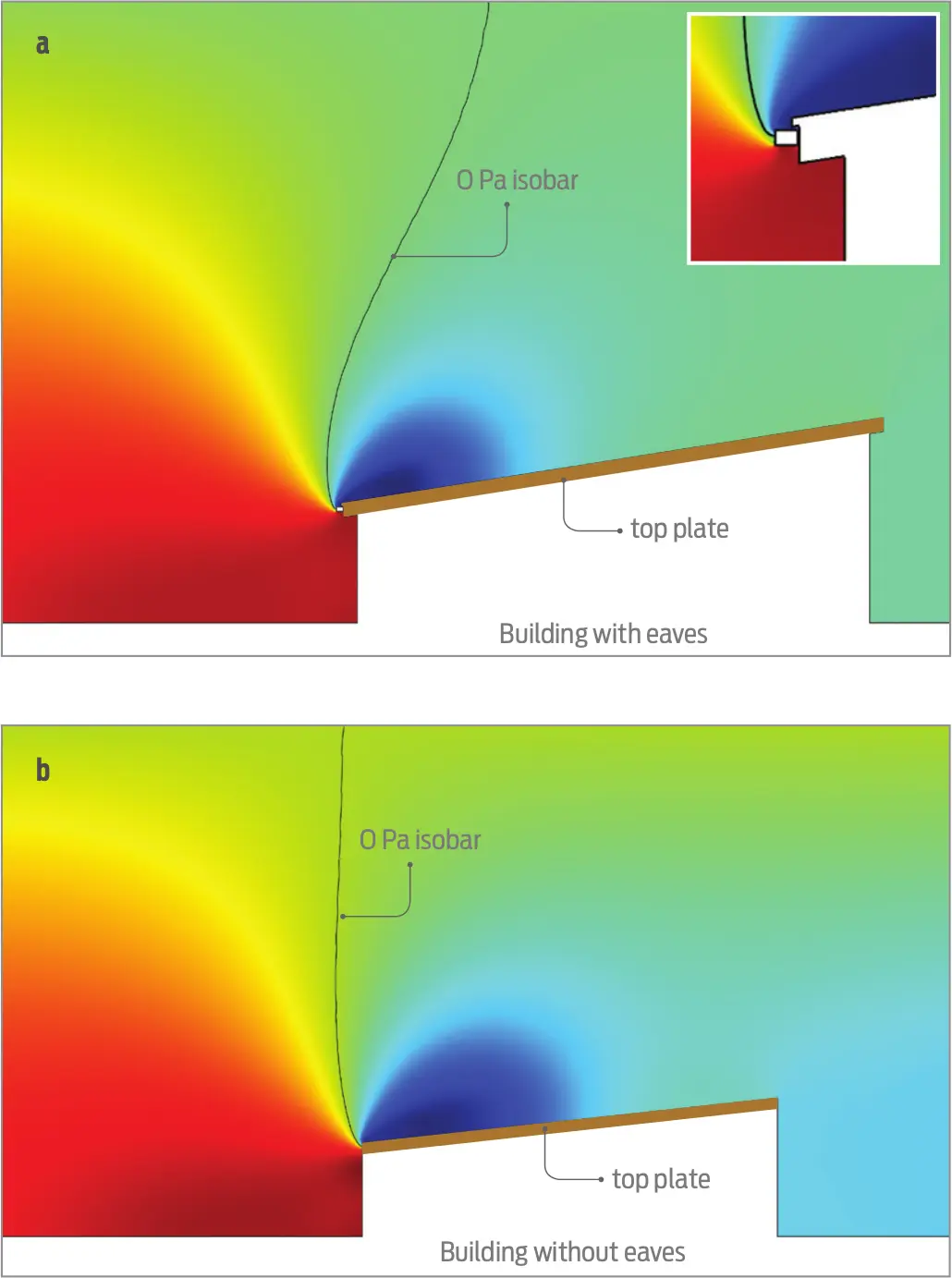
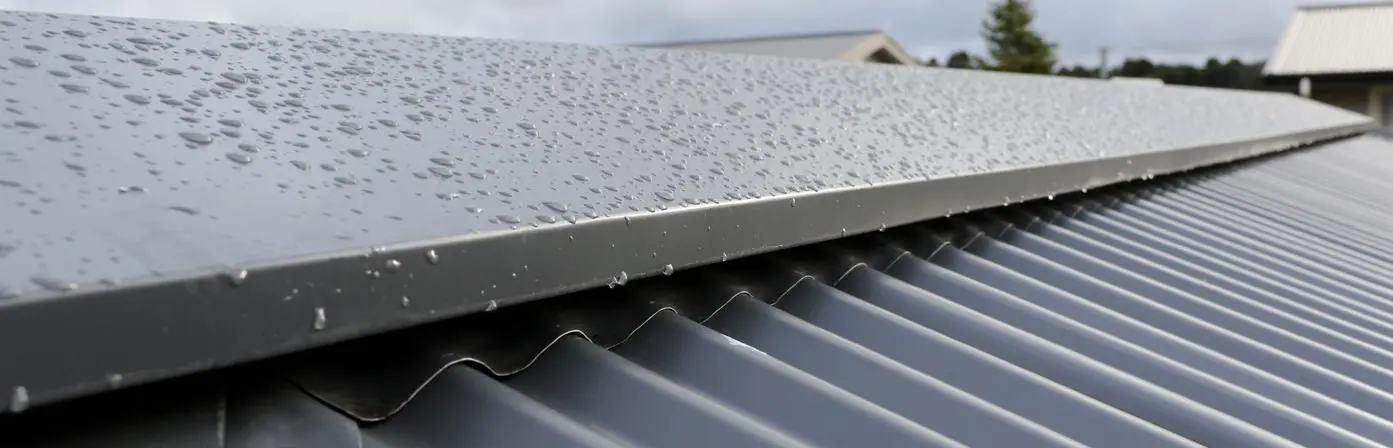
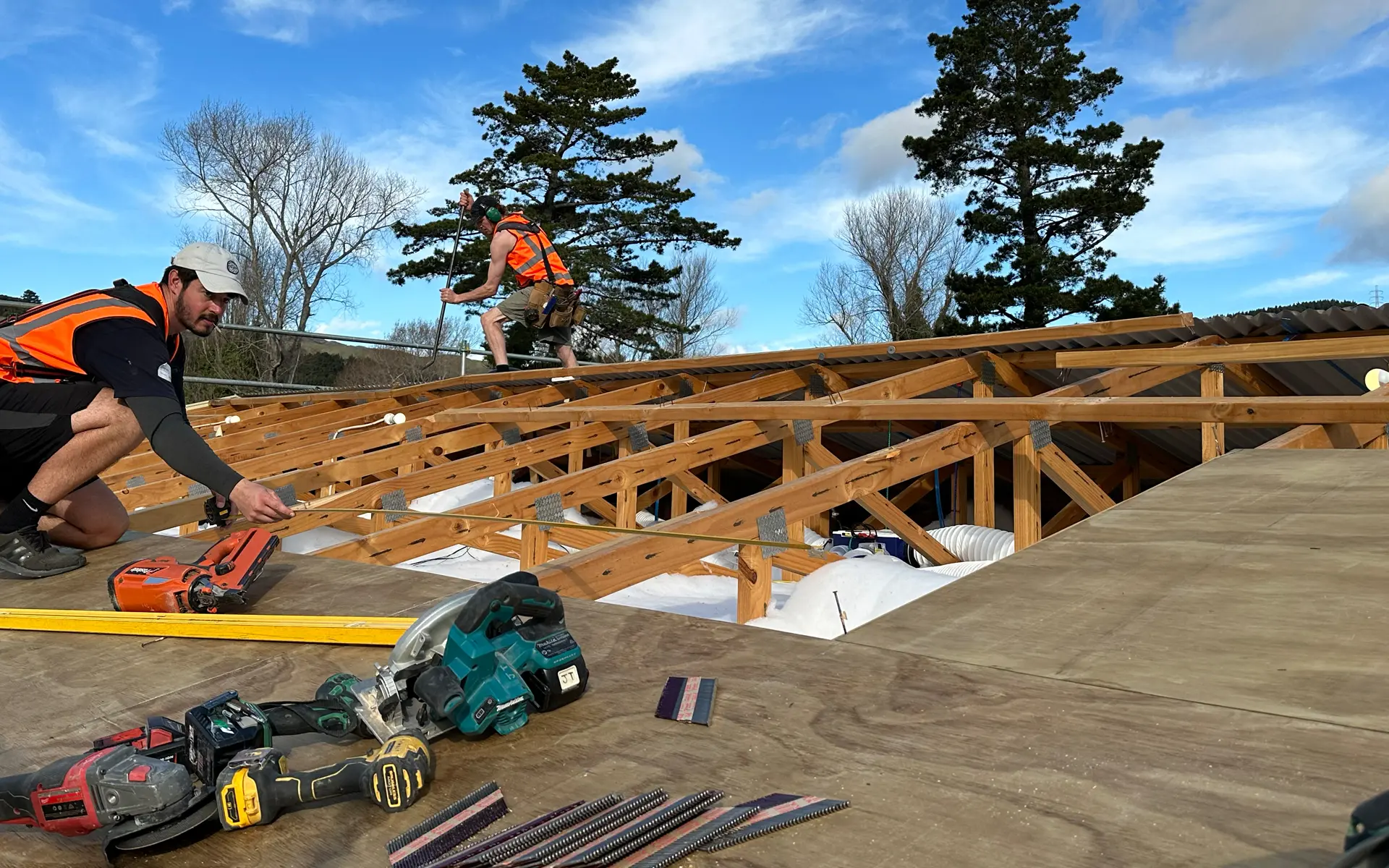
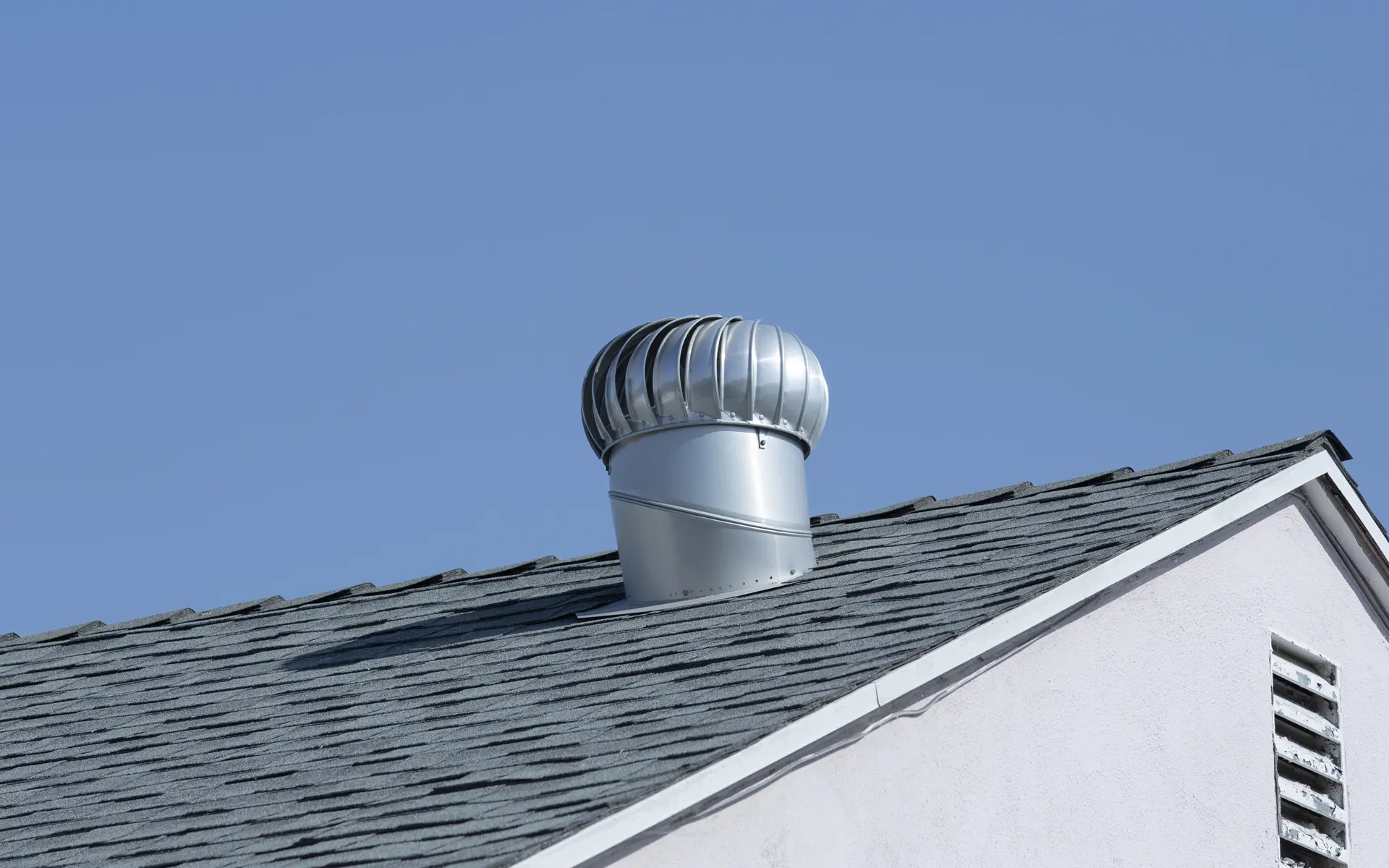
Some roof designs, such as skillion roofs, must include ventilation to manage roof moisture. Recent BRANZ research provides advice on the best place for effective vent openings in low wind zones.
Twenty years ago, roofs didn’t need to be specifically ventilated. Today, things are different. That’s because 21st century homes are more airtight, and if they aren’t aired, condensation may form.
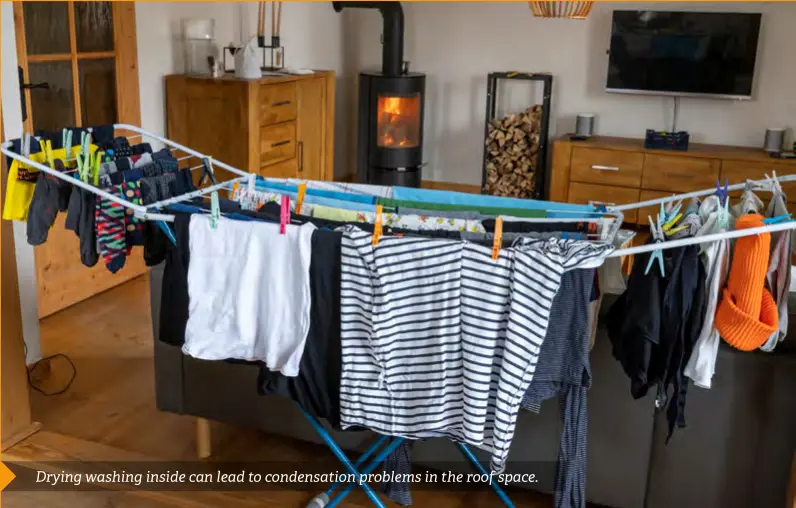
As winter sets in and temperatures drop, there’s an increasing risk that moisture will condense in the roof space and cause problems. The source of the moisture – and therefore the solution – isn’t always obvious.
Research shows that warm roofs offer homeowners and occupiers a range of benefits over their cold roof counterparts. Warm roofs make it easier to achieve a healthy indoor environment, reduce energy costs and, in some systems, provide a more durable roof structure.
BRANZ was called into a Dunedin school where too much ventilation caused excessive condensation in a large roof space. Understanding why this happened points to warm roofs being better in some locations.
Rainfall records are being smashed and determining future rainfall intensity for new build locations is increasingly important. This means guttering systems must perform effectively for years ahead. Recent changes in how to find rainfall intensity figures will help with selection.
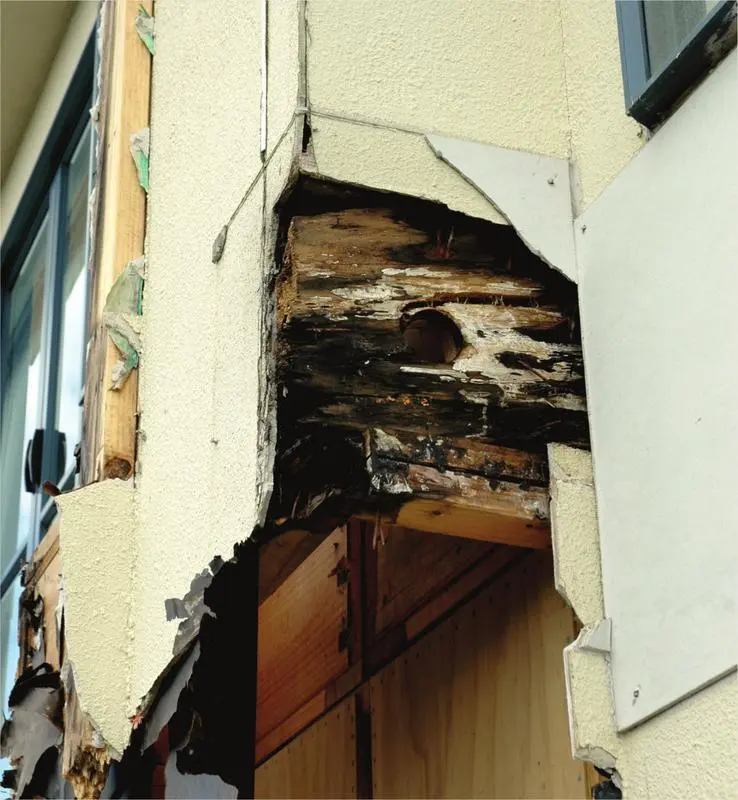
Designing and implementing solutions for homes with weathertightness problems is a highly specialised field where having particular skills, knowledge and experience is crucial. What are the factors that need to be considered for this type of work?
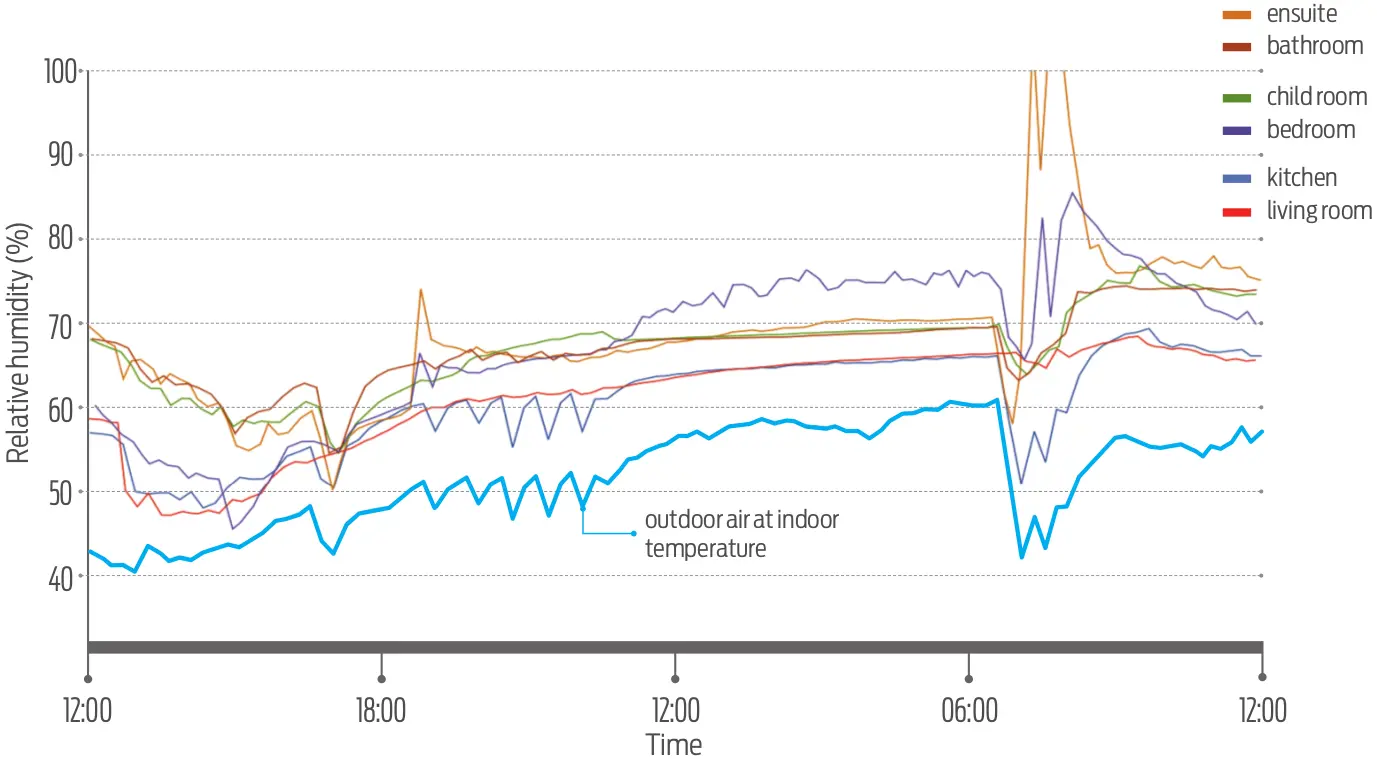
Reducing the high levels of indoor moisture found in many New Zealand homes is a great start to creating a healthy home. In this overview, we look at some of the ways to do this.
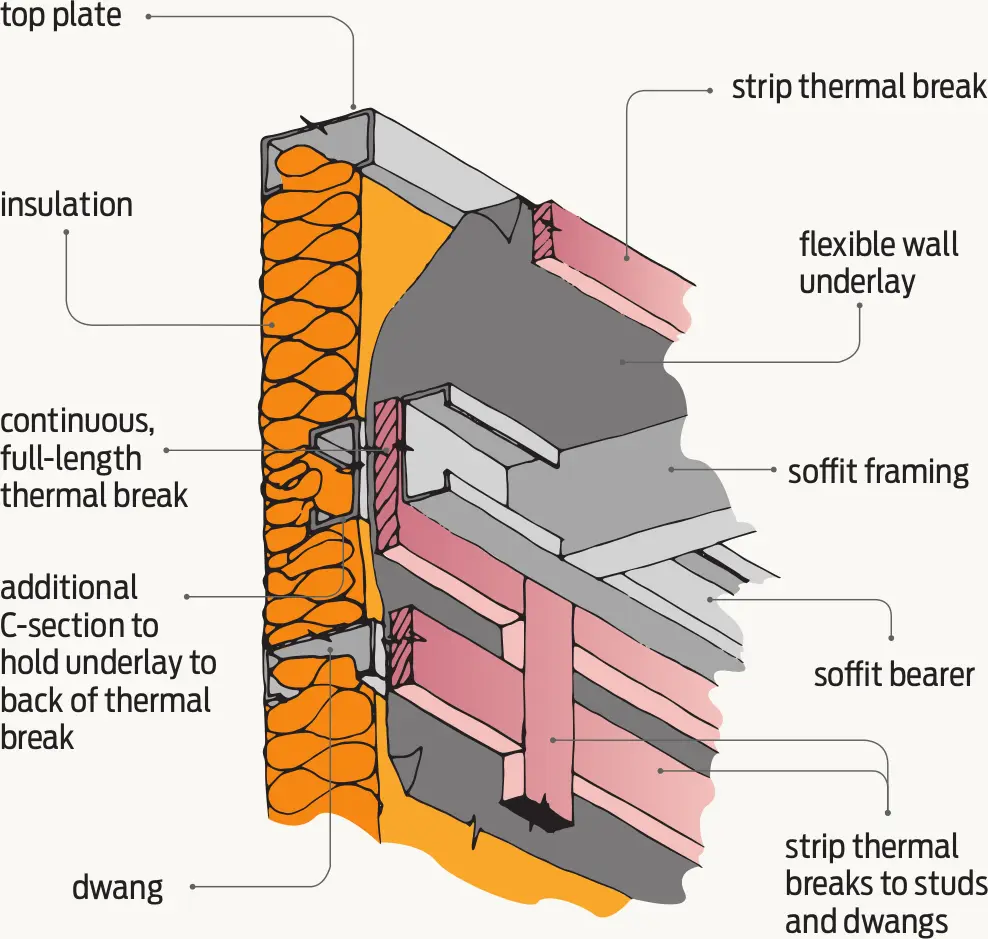
Good detailing at the soffit to wall framing junction is important to prevent moist air from cavities getting into the ceiling where it can cause problems.
Greater understanding of how to incorporate air seals in openings and penetrations in the exterior envelope of a building is necessary to prevent wind-driven water from entering.
Perversely, the draught-free, airtight homes of today might be harbouring plenty of internal moisture. Well designed ventilation is needed to manage this moisture and avoid the perils of mould and health issues.
Air seals play an important part in stopping air carrying water into a building. Understand why they are used and how to install them, and you should get them right every time.
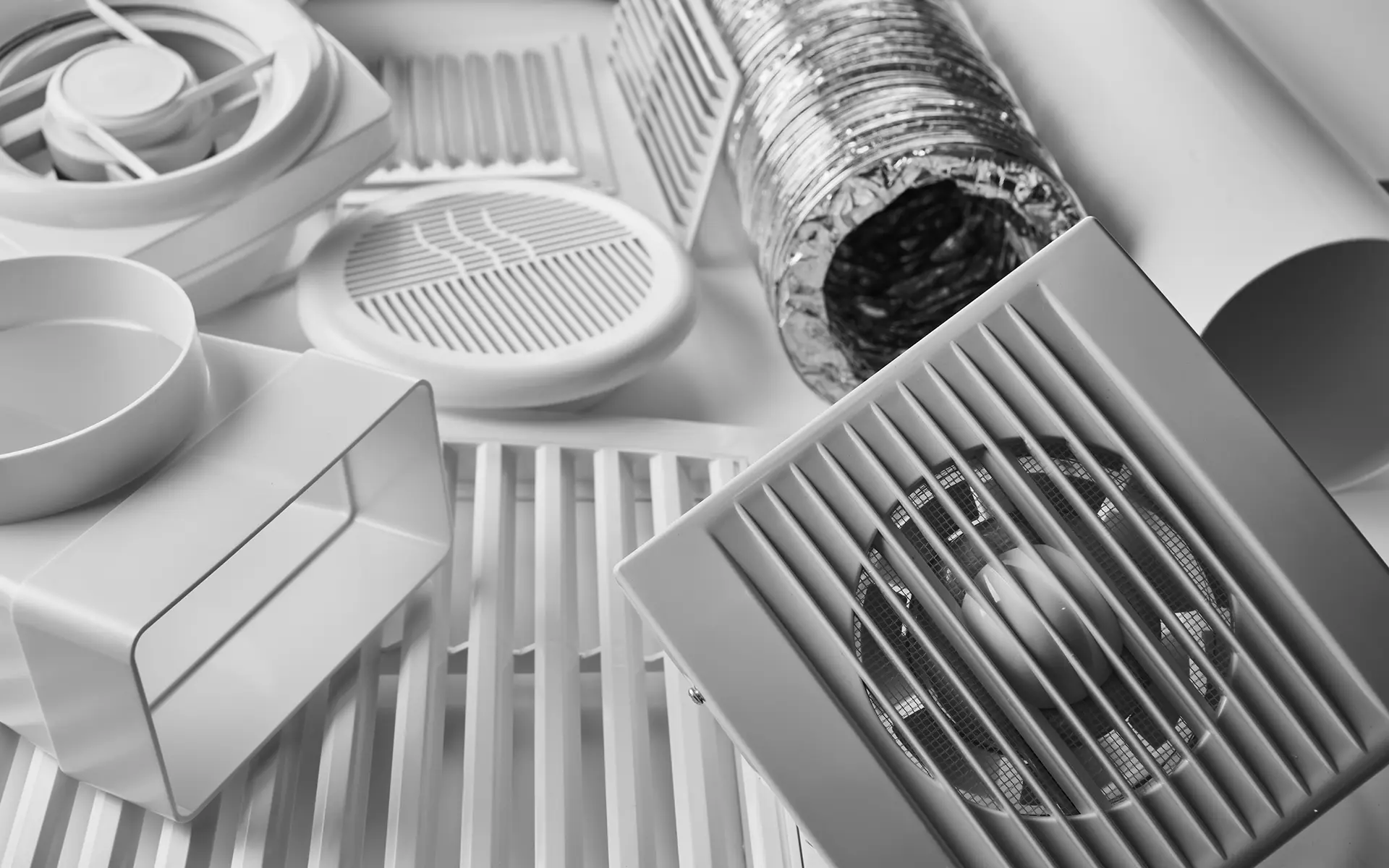
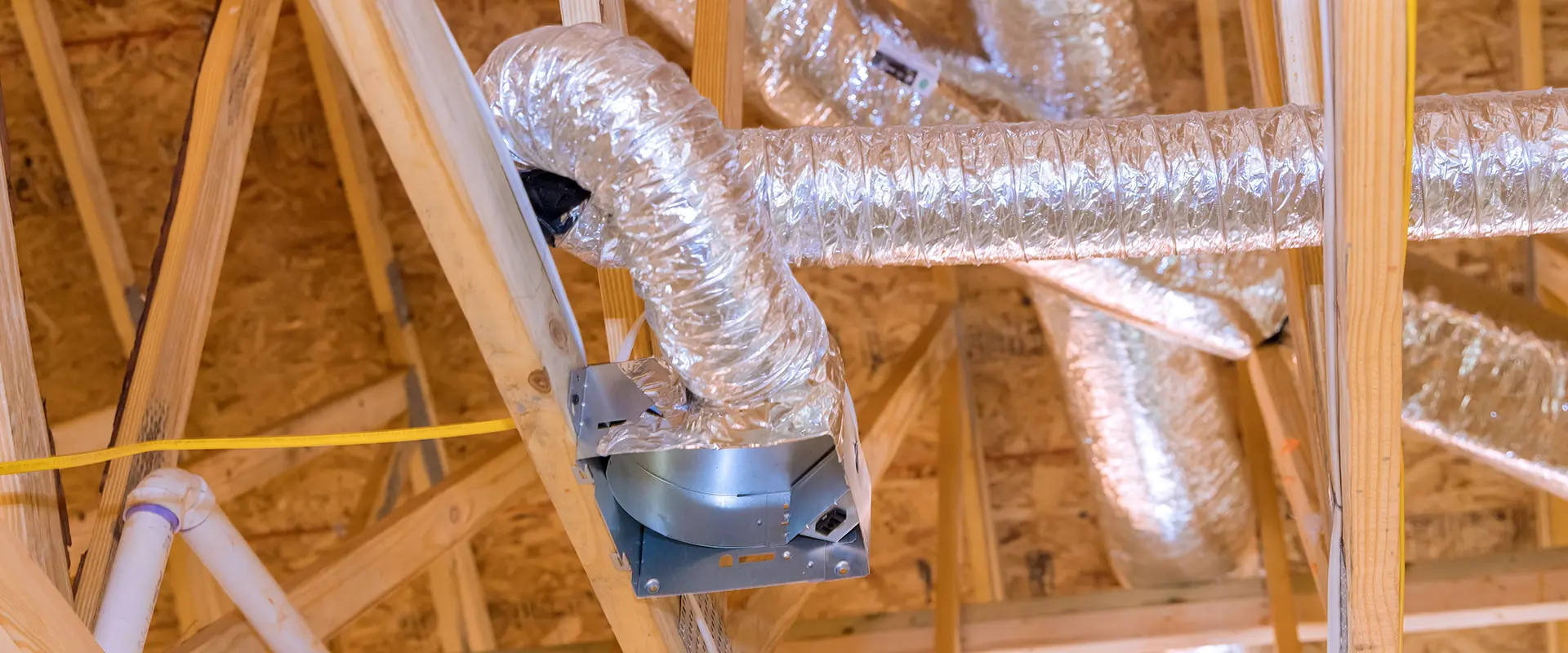
Mechanical ventilation is becoming much more common in both new home construction and renovations. Where the system includes ducting, the right product and installation are crucial to maximise efficiency and avoid problems.
Where is a gap required between building materials and when should any gap be sealed? It’s important to get these correct so we review the requirements in E2/AS1 and elsewhere.
Data gained from a unique, linked housing assessment and social survey involving Stats NZ and BRANZ shows that substandard, cold housing is inextricably related to occupant mental wellbeing. This is highly relevant information at a time when the cost of living is rising and housing affordability is worsening.
This study sought to measure the airtightness of a number of apartment buildings with the aim of getting some indicative sense of the level of airtightness being provided by the...
As well as causing damage to building materials, internal mould growth in homes is unhealthy for many building occupants. While some moulds are harmless, others can cause health problems such...
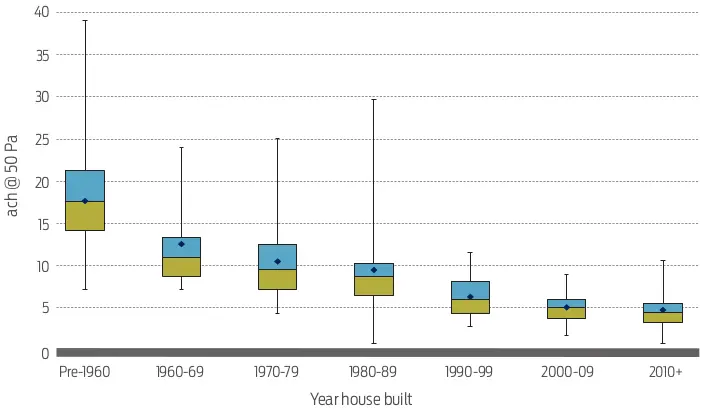
Houses built since 2000 are better insulated and have become more airtight and as older homes have been upgraded and had new components such as aluminium window frames and sheet...
The BRANZ House Condition Survey (HCS) provides a snapshot of the state of New Zealand housing at a point in time. The latest round of the survey, completed in 2015/16,...
This report describes two surveys of moisture damage in buildings (mostly residential) in Otago and Southland, 1978-1982. The first survey was a collation of routine enquiries received by BRANZ advisory...
This document attempts to allocate the contribution of different structural and operating features to the risk of mildew growth on the inside surface of lightweight external walls in New Zealand...
The aim of this experimental study was to establish if there is a noticeable and quantifiable increase in the first-year corrosion rates of metal fixtures in roof cavities that have...
Temperature and relative humidity are important factors influencing comfort and health of building occupants. Cold temperatures and excessive moisture give rise to mould growth, presenting a health risk and causing...
This project was set up to investigate the effects of different coating types on the performance of hardboard sidings. Problems experienced in the 1980s with a New Zealand-produced product indicated...
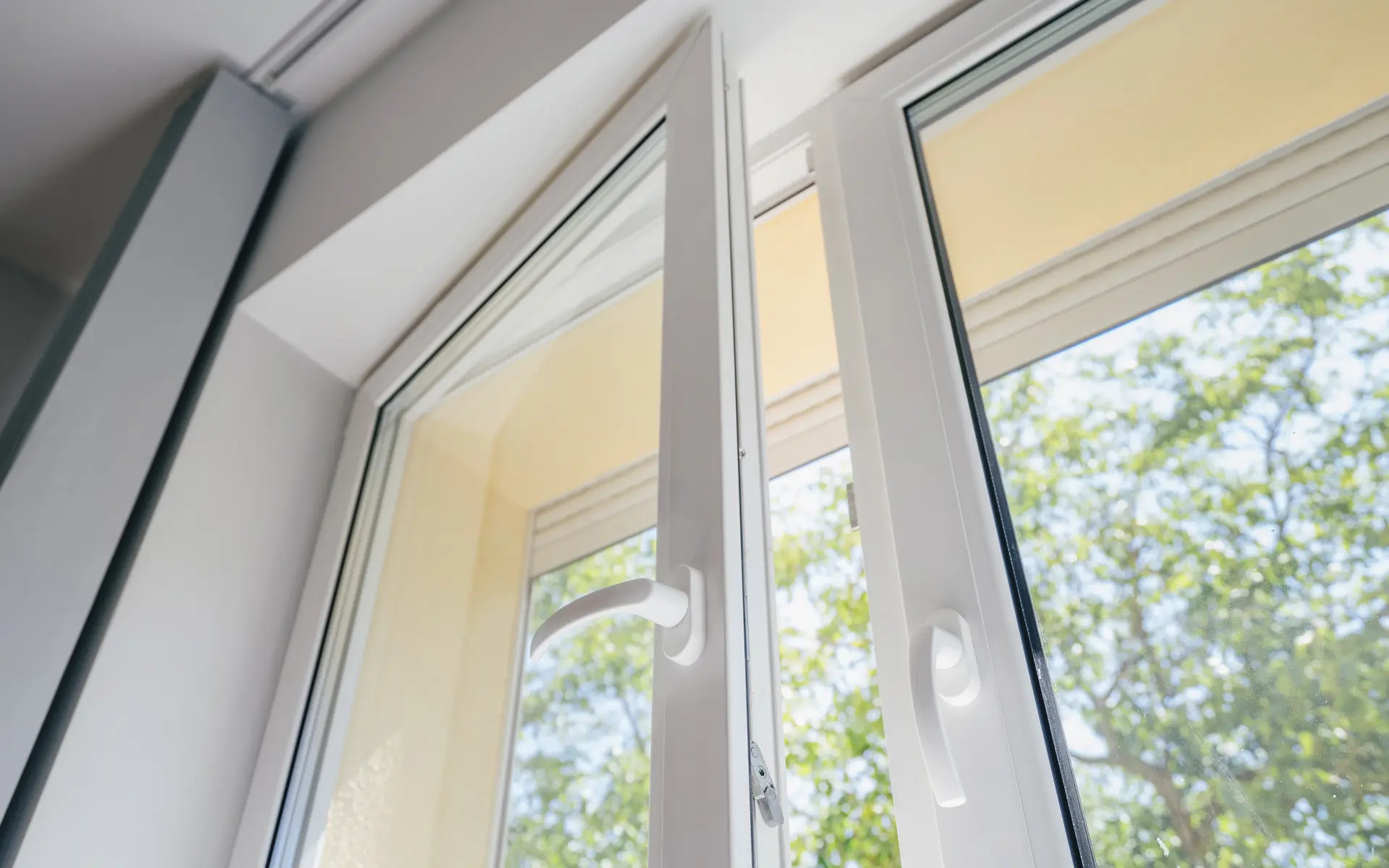
Home-occupant behaviour in respect to ventilation in Aotearoa New Zealand is under-researched, despite the benefits that a well-ventilated building may have on respiratory health. Most Kiwi homes rely on natural...
Many New Zealand homes are cold and damp. High moisture levels in homes can be due to low indoor temperatures, excessive moisture production or lack of ventilation. This report looks...
This study aims to provide updated guidance on the role of vapour control layers in New Zealand walls.A series of wall specimens were installed into a BRANZ test building that...
A numerical simulation tool is used to study the effects of installing additional ventilation channels to the roof cavities of typical New Zealand residential buildings. The simulation software was written...
Ventilation, insulation and heating are the key components to ensuring a healthy indoor environment. This work studied airtightness and actual in-service ventilation rates in a variety of modern housing stock.In-service...
There has been an increasing number of reports of excessive condensation within the roofs of institutional buildings in New Zealand over the last few years. These roofs have a common...
This is the third and final report prepared during research into the role of roof underlays for moisture management in roof spaces.The report describes the physical properties of a range...
Failure of polyvinyl chloride sheet flooring and other impervious materials on concrete base slabs, due to entrapped moisture, is a recurring problem. However, no clear guidelines exist to aid designers...
Ventilation plays a key role in the process of moisture formation and removal in roof envelopes. In order to investigate patterns and magnitude of air flows affecting the behaviour of...
New Zealanders experience an excessive rate of asthma, COPD, rheumatic fever, hospitalisationsfrom skin infections, excess winter mortality and other potentially avoidable conditions. Poor-qualityhousing is implicated in many of these.