



BRANZ House Condition Surveys (HCS) were carried out approximately every 5 years from 1994 to 2015. The last two national censuses, in 2018 and 2023, also asked questions around the presence of mould in homes.
The survey provides vital insights into the status of New Zealand’s housing stock. It collects a huge array of data from assessments of overall condition of different aspects of the house, down to very detailed information about individual building component defects. The types of materials used in construction, the presence and absence of heating and insulation and fire safety are also covered.
Surveys broadened over time
The 1994, 1999 and 2005 surveys were carried out on owner-occupied houses in main urban areas, largely Auckland, Wellington and Christchurch. The 2010 and 2015 House Condition Surveys also included rented properties, and the sample was extended to houses in provincial and rural areas.
The HCS provides a reliable information base and resource that enables comparisons of the condition of New Zealand’s housing stock over time and, since 2010, between tenures (owner-occupied and rental). The survey sample is carefully designed and weighted to be nationally representative of stand-alone, townhouse or terraced houses/units throughout New Zealand.
Extra information gathered this round
The latest HCS surveyed 560 houses, each subject to a thorough on-site inspection by a BRANZ-trained assessor. The HCS also encompasses a phone interview, coordinated by the Centre for Research Evaluation and Social Assessment (CRESA), to explore perceptions of house condition, repair and maintenance activity and key socio-demographic information.
This round of surveying saw a supplementary householder self-completion paper survey, commissioned by the Energy Efficiency and Conservation Authority (EECA), to explore occupant use of household appliances. Combined, these surveys provide a very rich dataset of interest and value to industry, government and researchers throughout New Zealand.
Data collection no mean feat
Coordinating and managing the HCS data collection is complex, from developing and designing the sampling strategy to training assessors, monitoring survey completions and achieving the sample quota.
One of the biggest challenges encountered in this round was recruiting and gaining access to a sufficient sample of rental properties. With continued effort and some creative approaches to household recruitment, the final survey was completed in June.
BRANZ is now in the throes of processing the data, cleaning and quality checking and getting it ready for detailed analysis.
Indicators of unhealthy homes
What can the HCS tell us about the prevalence and risk of unhealthy homes in New Zealand?
One indicator collected in the survey is the presence of mould and damp.
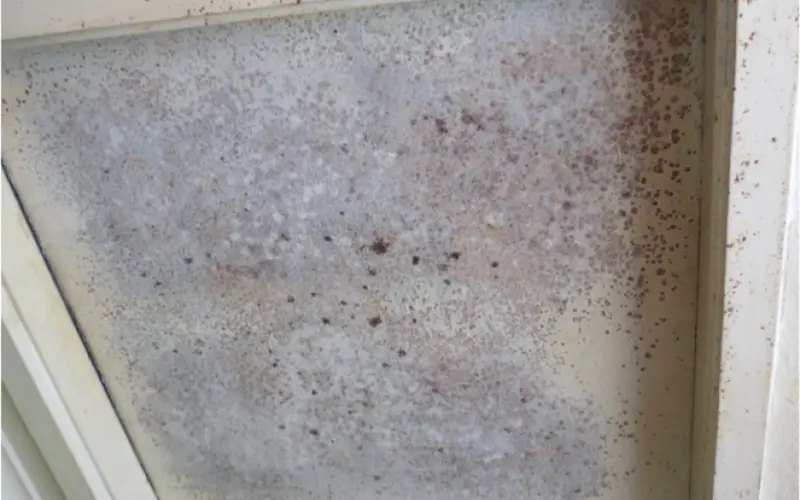
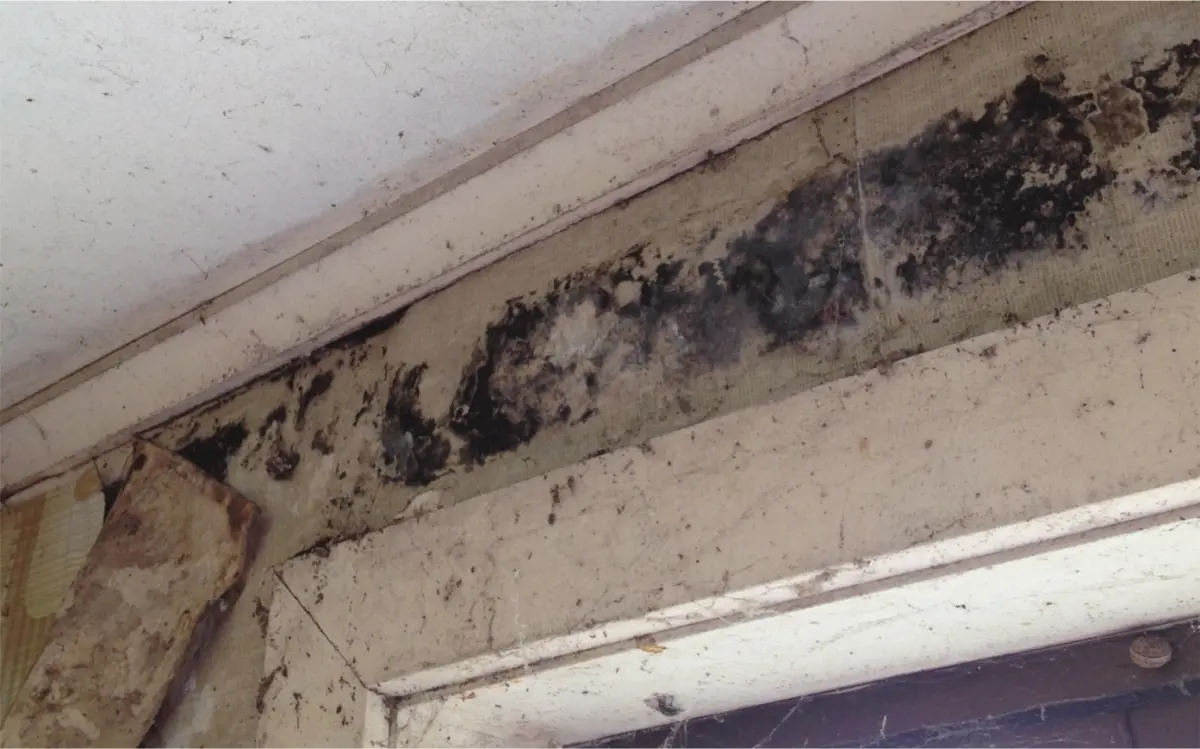
The on-site inspection includes a qualitative assessment of levels of damp and mould, using a five-point scale rating from ‘none visible’ to ‘extensive blackened areas’. This is applied to all rooms in the house, including the kitchen, bathrooms, laundry, living areas and bedrooms.
The assessor also records any general feeling of dampness and presence of a ‘musty smell’ within the house.
Damp and mould pose health risks
Living in a damp and mouldy home poses real health risks for its occupants. A growing body of research shows the links between living in a cold, damp home and physical and mental health and social wellbeing.
Who and how many live in the home can further exacerbate the problem. For example, research from the UK suggests:
- children living in cold housing are more than twice as likely to suffer from breathing problems, including asthma and bronchitis
- children living in damp and mouldy homes are up to three times more likely to suffer from coughing, wheezing and respiratory illness as their peers living in dry homes.
Mould in over half the houses
The 2010 HCS showed damp and mould was a common occurrence in New Zealand houses, especially in rental properties, which were also home to around half New Zealand’s children under 5.
Forthcoming analysis of the latest HCS data will assess the current levels of mould and damp in New Zealand housing. It includes looking at who lives in the worst-affected houses and consideration of what factors may be driving these conditions.
Indicative results from the 2015/16 survey suggest mould is visible, to at least some extent, in over half the housing stock. The problem still appears to be notably worse in rental properties.
Heating and ventilation surveyed
The availability, type and condition of heating and ventilation systems are important components contributing to a healthy indoor living environment. The World Health Organisation recommends a room temperature of 18°C. Achieving and maintaining this level of warmth in the home can be difficult for many householders due to:
- lack of insulation and efficient heating systems
- fuel costs
- lack of understanding about how to effectively heat and ventilate the home.
The latest HCS will provide up-to-date information on the presence of all forms of heating and ventilation (both mechanical and openable windows) in New Zealand houses. The supplementary appliance-use survey that accompanied the latest HCS could provide an important reality check by providing information on the extent that the occupier uses the heating systems available in their home.
Also exploring occupant behaviour
BRANZ researchers saw an opportunity to build on and enhance the HCS data with information from real-world scenarios. The additional project will focus on the link between occupant behaviour and the indoor environment.
Up to eight temperature and relative humidity sensors have been installed in around 70 HCS dwellings. These sensors provide readings every 15 minutes and record any action such as opening windows and internal doors.
The project will also include an element of qualitative research to explore occupant attitudes to heating and ventilating their home and experience of comfort (see New home, old habits on page 47).
What next for the 2015/16 HCS?
The first round of reporting on the latest HCS data will focus on comparing house condition between tenures (owner-occupied and rental) to provide a snapshot consistent and compatible with the 2010 reporting, but we don’t plan to stop there. Further analysis will be undertaken to explore different topic areas, with reports to be published later this year.
Note: The HCS survey is funded by the Building Research Levy, with co-funding from MBIE and EECA.