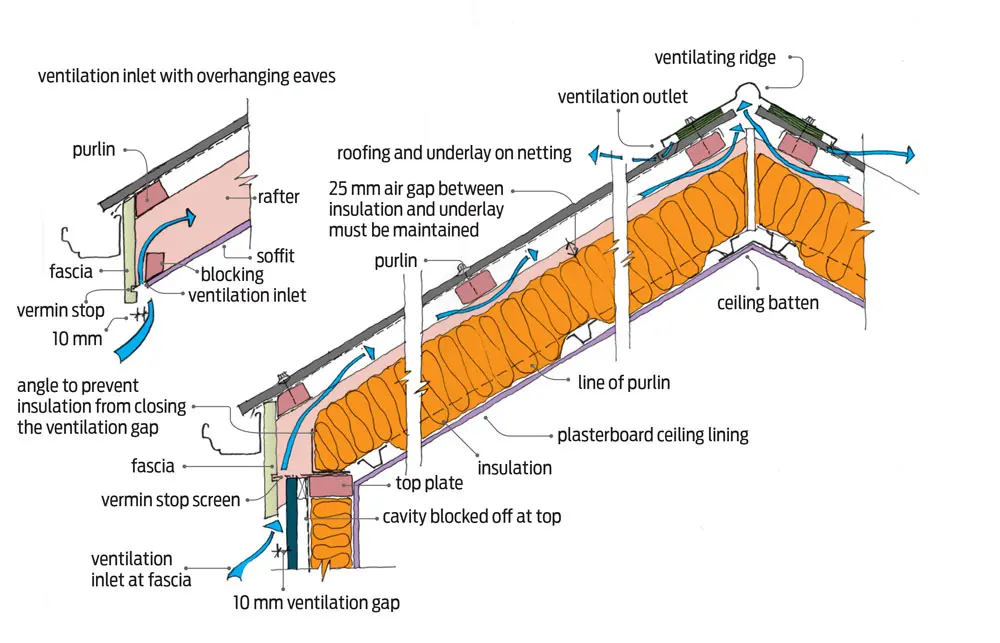
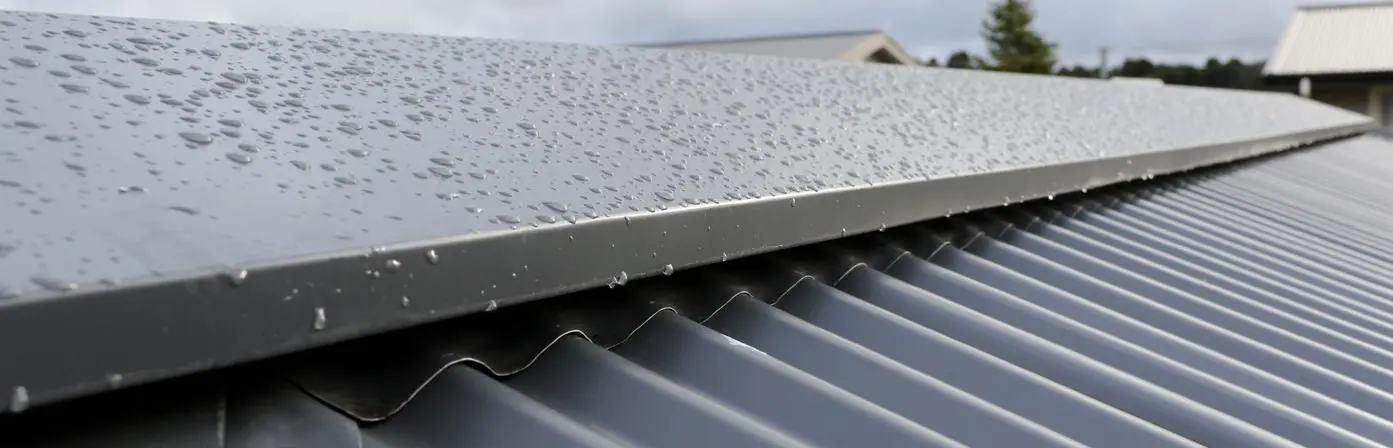
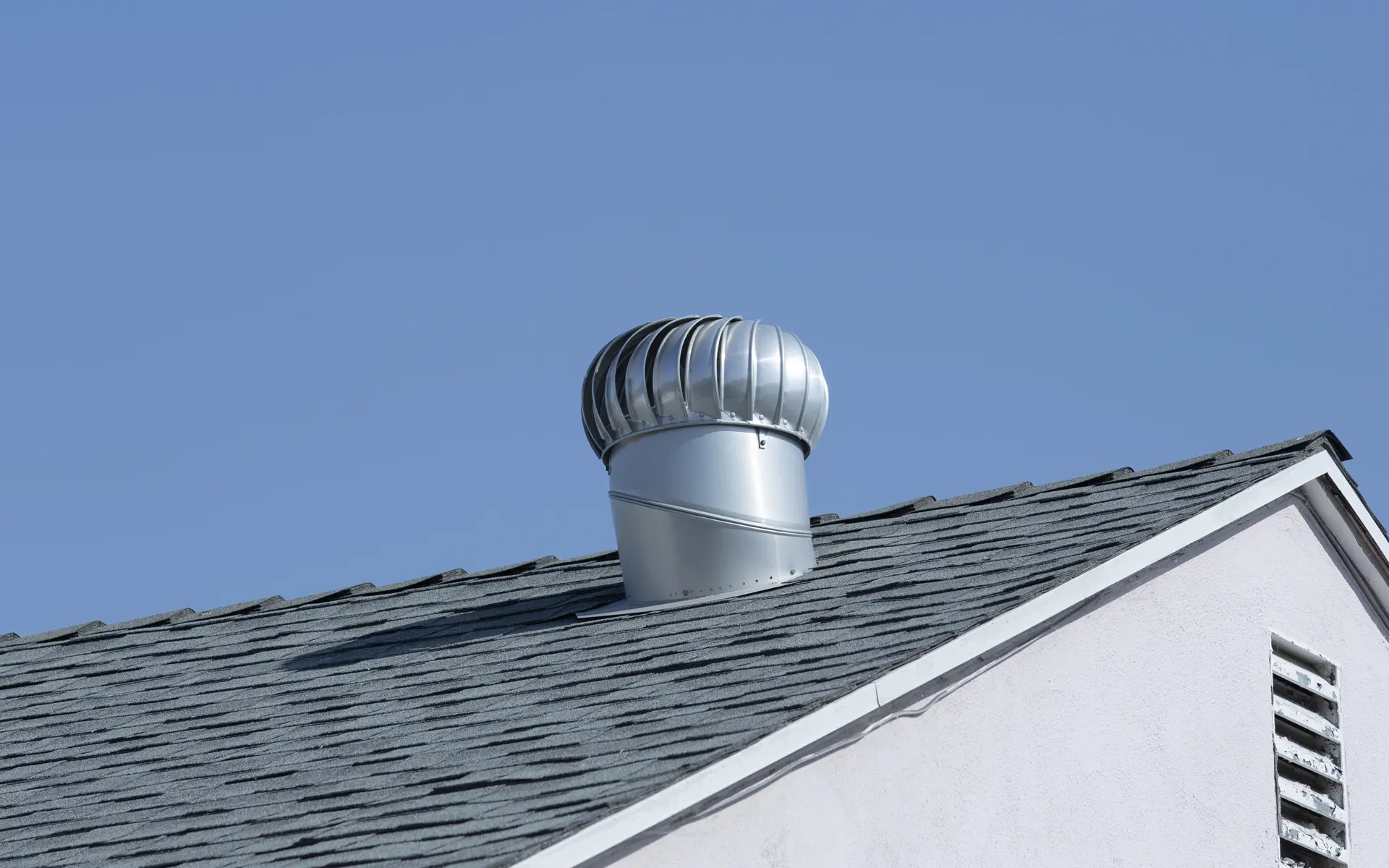
A numerical simulation tool is used to study the effects of installing additional ventilation channels to the roof cavities of typical New Zealand residential buildings. The simulation software was written...
Twenty years ago, roofs didn’t need to be specifically ventilated. Today, things are different. That’s because 21st century homes are more airtight, and if they aren’t aired, condensation may form.
BRANZ was called into a Dunedin school where too much ventilation caused excessive condensation in a large roof space. Understanding why this happened points to warm roofs being better in some locations.
This report compares a select number of promising new, easily retrofittable water heating technologies. These water heating systems make use of photovoltaic panels to supplement or replace the usual reticulated...
The aim of this experimental study was to establish if there is a noticeable and quantifiable increase in the first-year corrosion rates of metal fixtures in roof cavities that have...
This report looks at a measurement procedure to estimate the airtightness of residential roof spaces. By using a dual fan approach, it is possible to distinguish between the leakage through...
A numerical simulation tool is used to study the effects of installing additional ventilation channels to the roof cavities of typical New Zealand residential buildings. The simulation software was written...
Corrosion rates in vented cavities: to determine whether installing passive ventilation elements in roof cavities and thence increasing salt particle levels via increased air exchange creates higher corrosion of internal...