This bulletin guides architects and designers in specifying thermal roof performance that complies with H1/AS1 and H1/VM1 5th edition amendment 1. The 5th edition amendment 1 can be used until...
This bulletin gives guidance around demonstrating compliance with clause H1 using H1/AS1 and H1/VM1 5th edition amendment 1. The 5th edition amendment 1 can be used until 26 November 2026....
This bulletin guides architects and designers in understanding and specifying windows and doors that comply with the 5th edition of H1/ AS1 and H1/VM1. The 5th edition amendment 1 can...
Warm, dry, and energy-efficient homes are a foundation for people’s physical, mental and social health and wellbeing and are essential for a low-carbon future. However, there is slow progress on...
Energy hardship affects hundreds of thousands of households in Aotearoa New Zealand. Underheated homes, avoidable ill health and financial stress associated with energy bills are a harsh reality of winter for many. A BRANZ research project is providing insights that support change.
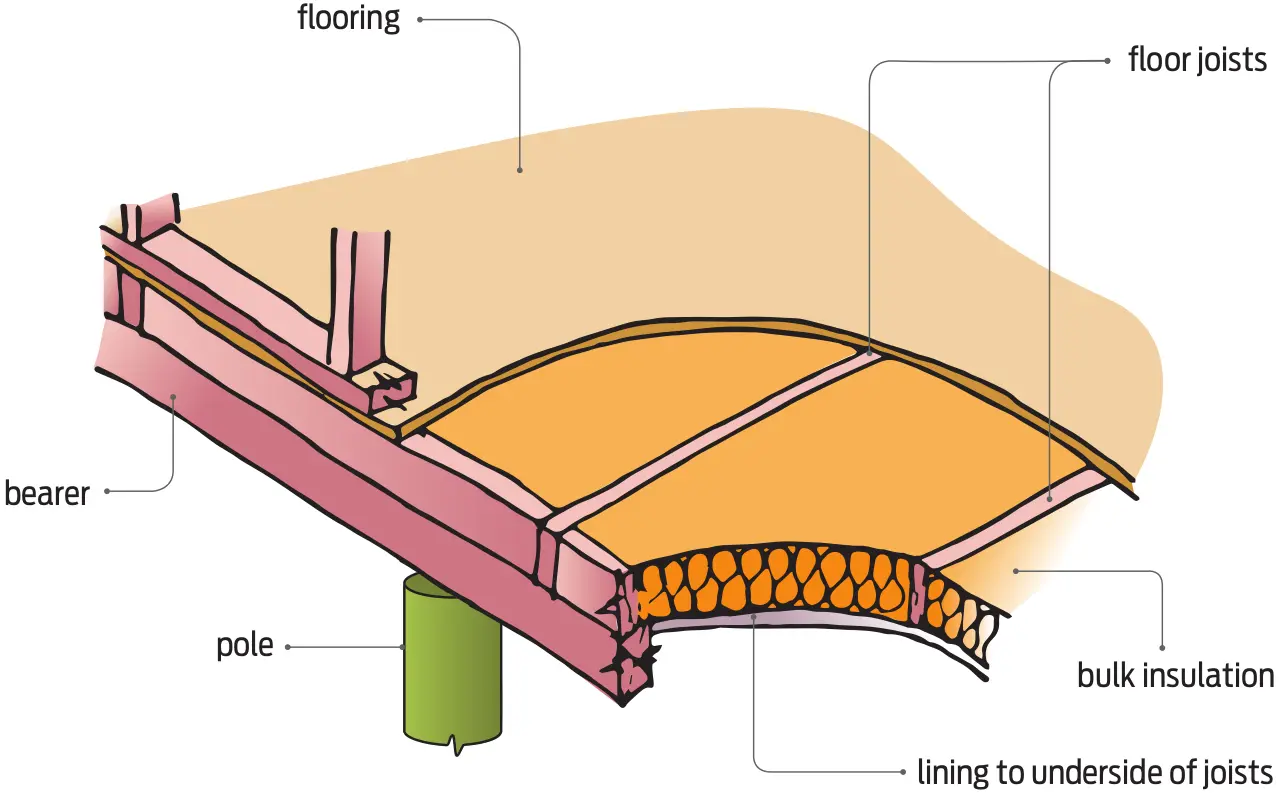
There’s a little breathing space, but soon, many rental properties will need to be retrofitted with underfloor insulation. Retrofitting foil insulation has been banned, so what are the options?
New household natural gas connections have fallen by around threequarters from their peak, while the number of decommissions has been on a rising trend. Auckland natural gas distribution company Vector says new gas connections in the six months to the end of 2025 were down 50% on a year earlier. It has forecast that it will have no new residential gas customers from 2029. Some gas retailers have already stopped accepting new household gas connections.
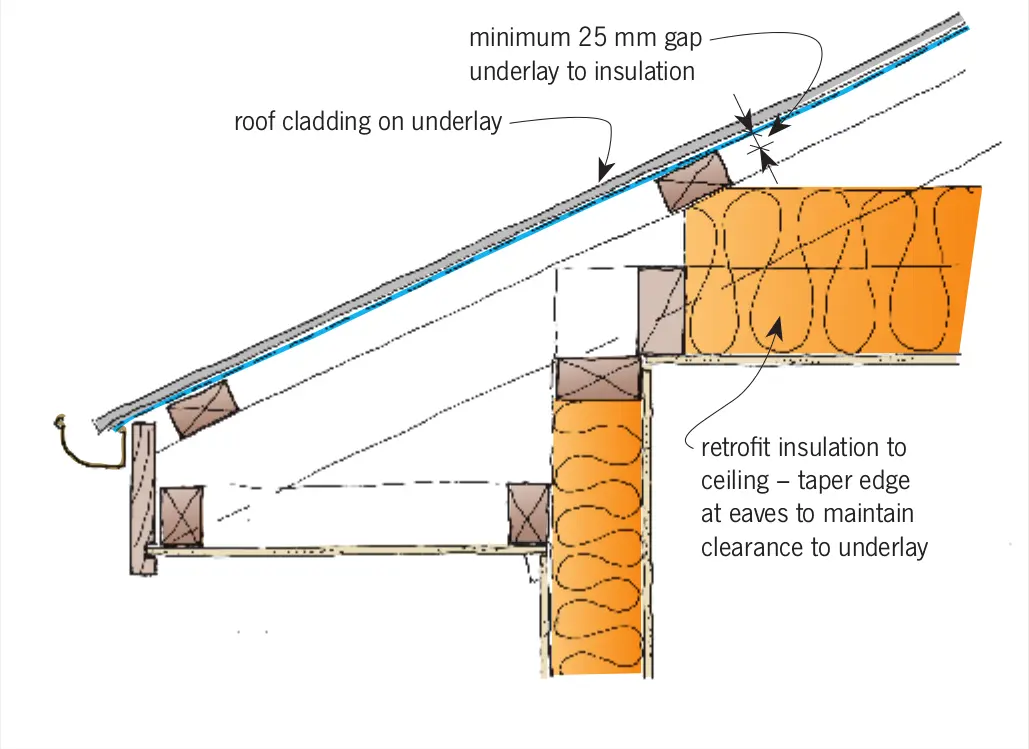
Major projects retrofitting insulation in older uninsulated or poorly insulated homes are currently underway. To do this right, there are installation pitfalls that need to be avoided.
Tricky access can be a problem when retrofitting insulation into an older home. However, as the push continues to insulate homes, we look at some of the options and things to consider.
Making additions or alterations to an older home can provide an opportunity to improve its thermal performance. However, installing insulation to maximise the benefits is not always as straightforward as it might seem.
Resident Builder Peter Wolfkamp recently shared his insights on smart strategies for upgrading older New Zealand homes. Our conversation explored how to balance heritage features with modern living expectations, improve energy efficiency in existing dwellings and understand which renovation choices will stand the test of time.
BRANZ modelling identified six areas for designers to focus on to reduce the carbon footprint of a new build. In the first of this series, we look at the practical considerations for designers using rule of thumb 1 Increase construction R-values.
Our rule of thumb series provides designers with information on aspects of design that have potential to reduce the carbon footprint of new builds. What should designers consider when applying rule of thumb 2 Expose the concrete floor slab?
In both H1/AS1 and H1/VM1 6th edition, Appendix E gives acceptable methods for determining the construction R-values of slab-on-ground floors. There are performance tables in H1/AS1 showing R-values for selected slab floor scenarios.
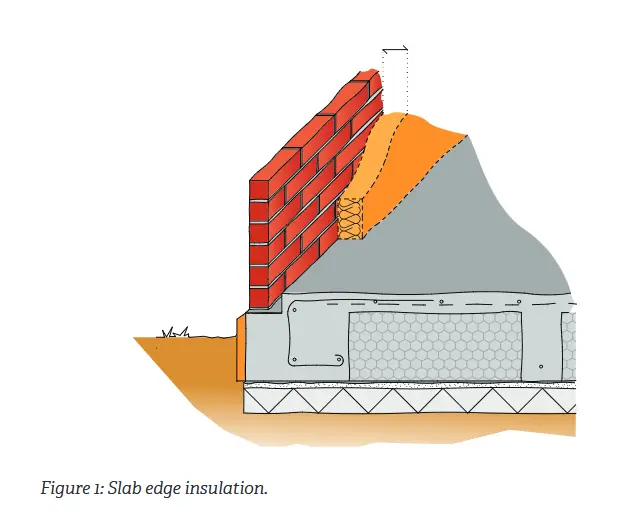
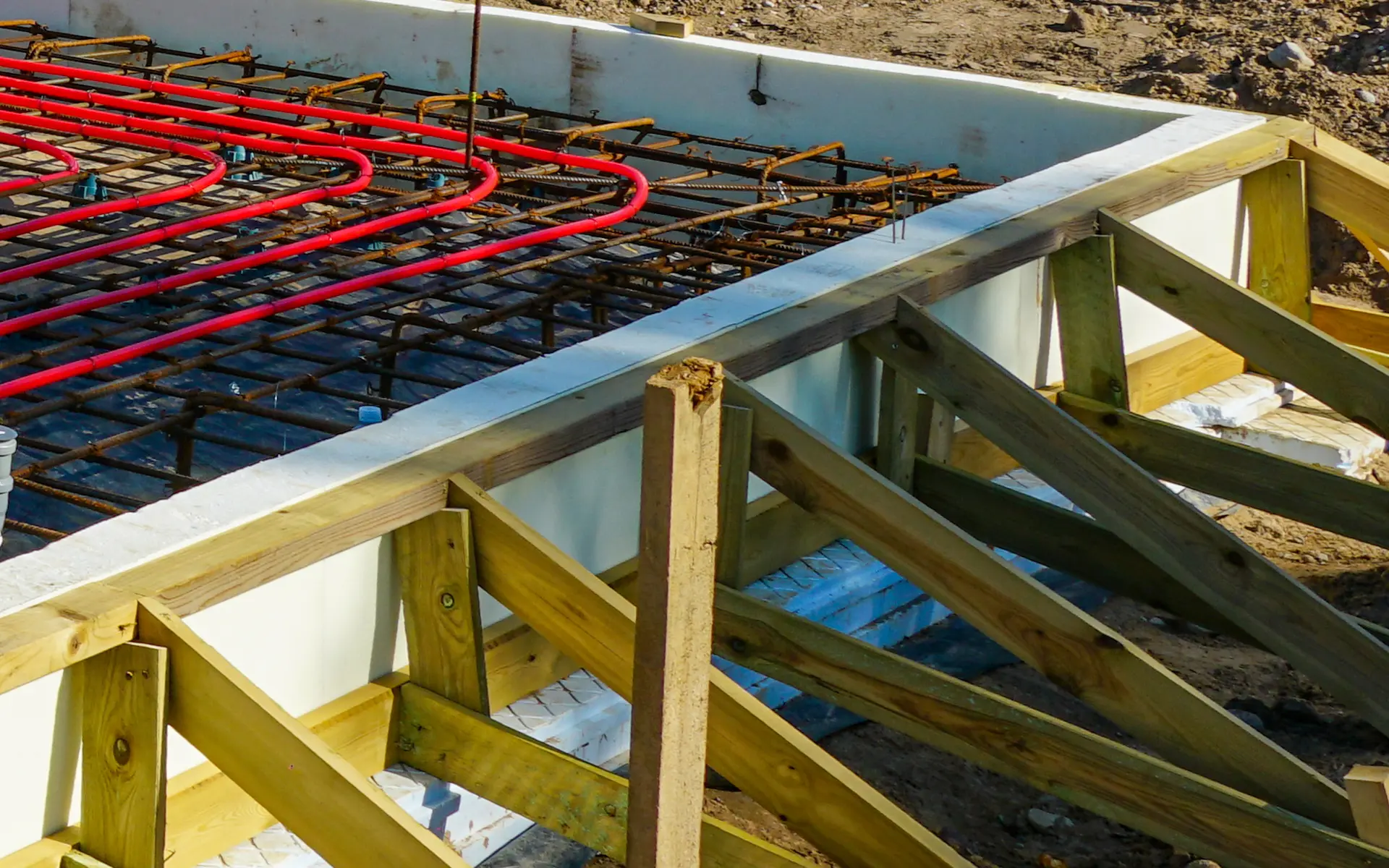
Vertical slab edge insulation can give a significant lift to the thermal performance of a house. Here are the key points to be aware of and how the topic is addressed in H1/AS1.
This bulletin provides guidance in specifying floors that comply with the 5th edition of H1/AS1 and H1/VM1. This issue includes an overview of the requirements for slab floors and suspended...
This bulletin outlines options for insulating concrete slab-on-ground floors for all housing, and buildings up to 300 m², with a focus on housing. It refers to H1/AS1 5th edition amendment...
A critical aspect of a house's energy use and sustainability is the overall design of a building - its orientation on site, careful sizing and location of windows, specification of...
This publication helps designers, specifiers and builders ensure that new and existing houses are warm and effectively ventilated, providing owner comfort, convenience, health and safety while minimising running costs. It...
This guide covers important choices facing designers and homeowners in selecting active energy systems such as water heating, space heating and lighting and looks at options such as photovoltaic electricity...
This popular publication gives designers and electrical contractors guidance around designing and specifying electrical and other cabling in domestic buildings. It pays particular attention to energy efficiency and homeowner comfort...
This report covers the activities of the 5th full year of the Household Energy End-use Project (HEEP). The project was established in late 1994, with monitoring commencing the following year.It...
This report looks at the design process by developing and testing an early-stage design tool aimed at enabling board members and other school representatives dealing with property management at schools...
This report covers some of the activities of the 4th full year of the Household Energy End-use Project (HEEP).The project was established in late 1994, with monitoring commencing in late...
Product Description The Household Energy End-use Project 2 (HEEP2) is a comprehensive national study of energy use and conditions in New Zealand homes designed to replicate the earlier HEEP1 study...
This report compares a select number of promising new, easily retrofittable water heating technologies. These water heating systems make use of photovoltaic panels to supplement or replace the usual reticulated...
Heat pumps started to become popular in the mid-2000s, and around 38% of homes had a heat pump by 2015. Heat pump technology has been promoted as being highly energy...
This report presents a summary of the Building Energy End-use Study (BEES) data collected in a phone survey of 791 premises, which was collected as part of the high-level survey....
There has been a dramatic increase in the use of heat pumps over the last 15 years. This study examined a random sample of 160 households in New Zealand with...
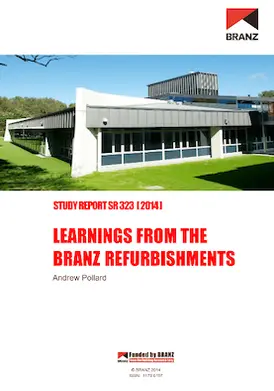
BRANZ refurbished a number of its building between August 2010 and March 2012. These refurbishments included construction of a new open-plan office building and a rebuild of the main administrative...
This report presents data and analysis drawn from the Building Energy End-use Study (BEES) sample frame used for the high-level survey. It evaluates and provides new knowledge about how changes...
This report presents data and analysis drawn from the Building Energy End-use Study (BEES) detailed monitoring carried out during the 4th year of this 6-year study. This report looks at...
This report presents data and analysis drawn from the Building Energy End-use Study (BEES) detailed monitoring carried out during the 4th year of this 6-year study. This report looks at...
Understanding how energy and water resources are used in non-residential buildings is key to improving the energy and water efficiency of New Zealand’s building stock. More-efficient buildings will help reduce...
Understanding how energy and water resources are used in non-residential buildings is key to improving the energy and water efficiency of New Zealand’s building stock. More-efficient buildings will help reduce...
Understanding how energy and water resources are used in non-residential buildings is key to improving the energy and water efficiency of New Zealand’s building stock. More-efficient buildings will help reduce...
This report presents data and analysis drawn from the Building Energy End-use Study (BEES) sample framework. However, it is geographically limited to the Auckland region. This report looks at aggregate...
This report presents data and analysis drawn from the Building Energy End-use Study (BEES) detailed monitoring carried out during the 4th year of this 6-year study. This report looks at...
This report presents data and analysis drawn from the Building Energy End-use Study (BEES) detailed monitoring carried out during the 4th year of this 6-year study. This report looks at...
This report presents the process for the Building Energy End-use Study (BEES) detailed monitoring and analysis of audit and electricity end-use data carried out during the 4th year of this...
This is a study of the Building Energy End-use Study (BEES) modelling conducted by the Centre for Building Performance Research. The findings are distributed between three reports:The first report (SR277/5)...
This report presents data and analysis drawn from the Building Energy End-use Study (BEES) high-level survey and targeted interviews carried out during the 4th year of this 6-year study. This...
This is a study of the Building Energy End-use Study (BEES) modelling conducted by the Centre for Building Performance Research. The findings are distributed between three reports:The first report (SR277/5)...
This is a study of the Building Energy End-use Study (BEES) modelling conducted by the Centre for Building Performance Research. The findings are distributed between three reports:This first report documents...
This report presents the method for estimating whole building energy usage data using the data collected in the Building Energy End-use Study (BEES). As BEES data is primarily collected on...
This report is one of a series of BEES year 5 reports completed by the multidisciplinary BEES team. It presents data and analysis drawn from detailed monitoring of specific premises...
Solar water heating (SWH) systems can save large amounts of energy. These systems are, however, not simple, so it is important to ensure that they are delivering the level of...
The energy performance of 11 heat pump water heating (HPWH) systems was examined by installing data-logging equipment to the systems. These 11 systems included both integral HPWH systems as well...
This report presents Building Energy End-use Study (BEES) data arising from further surveys of property managers, building owners and building owner-occupiers respectively. It considers the extent to which these stakeholders...
This report covers work for the Building Energy End-use Study (BEES) for the 2009/10 year. It reports on:the national phone survey of premises in 1,000 randomly selected non-residential buildingsthe design,...
The use of a solar wall collector that utilises the naturally solar heated external cladding cavity (i.e. within-wall) air to provide winter-time conditioning to adjacent indoor spaces is a potential...
This is the 8th annual report on the Household Energy End-use Project (HEEP). HEEP is a multi-year, multi-discipline, New Zealand study that is monitoring all fuel types (electricity, natural gas,...
This report provides an overview of the starting 2 years of the Building Energy End-use Study (BEES). The overall goal is to understand patterns of use in order to identify...
This is the final report on the Household Energy End-use Project (HEEP). It brings together and updates material presented in previous reports, as well as providing new analysis.HEEP was a...
This report covers the activities of the 7th full year of the Household Energy End-Use Project (HEEP) and is based on survey, house audit and monitored energy and temperature data...
This project follows an earlier study that found that wall thermal mass reduced annual heating energy use by approximately 7% and reduced overheating by more than 70% (235 hours), based...
This report covers the activities of the sixth full year of the Household Energy End-use Project (HEEP) and is based on data from 100 houses in Auckland, Wellington and Hamilton....
This is the 10th annual report on the Household Energy End-use Project (HEEP). HEEP is a multi-year, multi-discipline, New Zealand study that has monitored all fuel types (electricity, natural gas,...
This is the 9th annual report on the Household Energy End-use Project (HEEP). HEEP is a multi-year, multi-discipline, New Zealand study that is monitoring all fuel types (electricity, natural gas,...
The heat pump air conditioner market in New Zealand has experienced rapid growth over the past few years, with the number of sales more than trebling between 2001 and 2006....
Transpired solar collectors (TSCs) have been identified in the Zero and Low Energy House project (ZALEH) as one potential energy technology suitable for retrofit installations of existing buildings. TSCs have...
This report covers the first stage of solar water heating (SWH) project, comprising inspections of a number of SWH installations and monitoring equipment installation at the same houses.Thirty-six installations in...
New Zealand is experiencing rapid uptake of heat pumps (or reverse-cycle air conditioners). Approximately 80,000 units were sold last year, over double the number sold 3 years ago. Heat pumps...
This report examines the performance of solar water heaters and follows on from BRANZ Study Report SR184, which looked at the installation practices for these heaters.The performance of 39 solar...
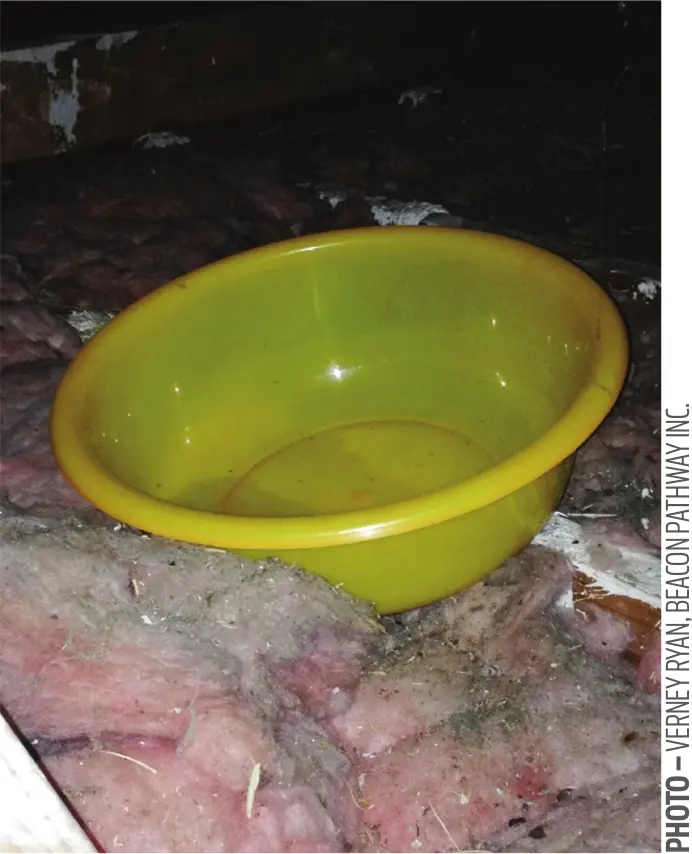
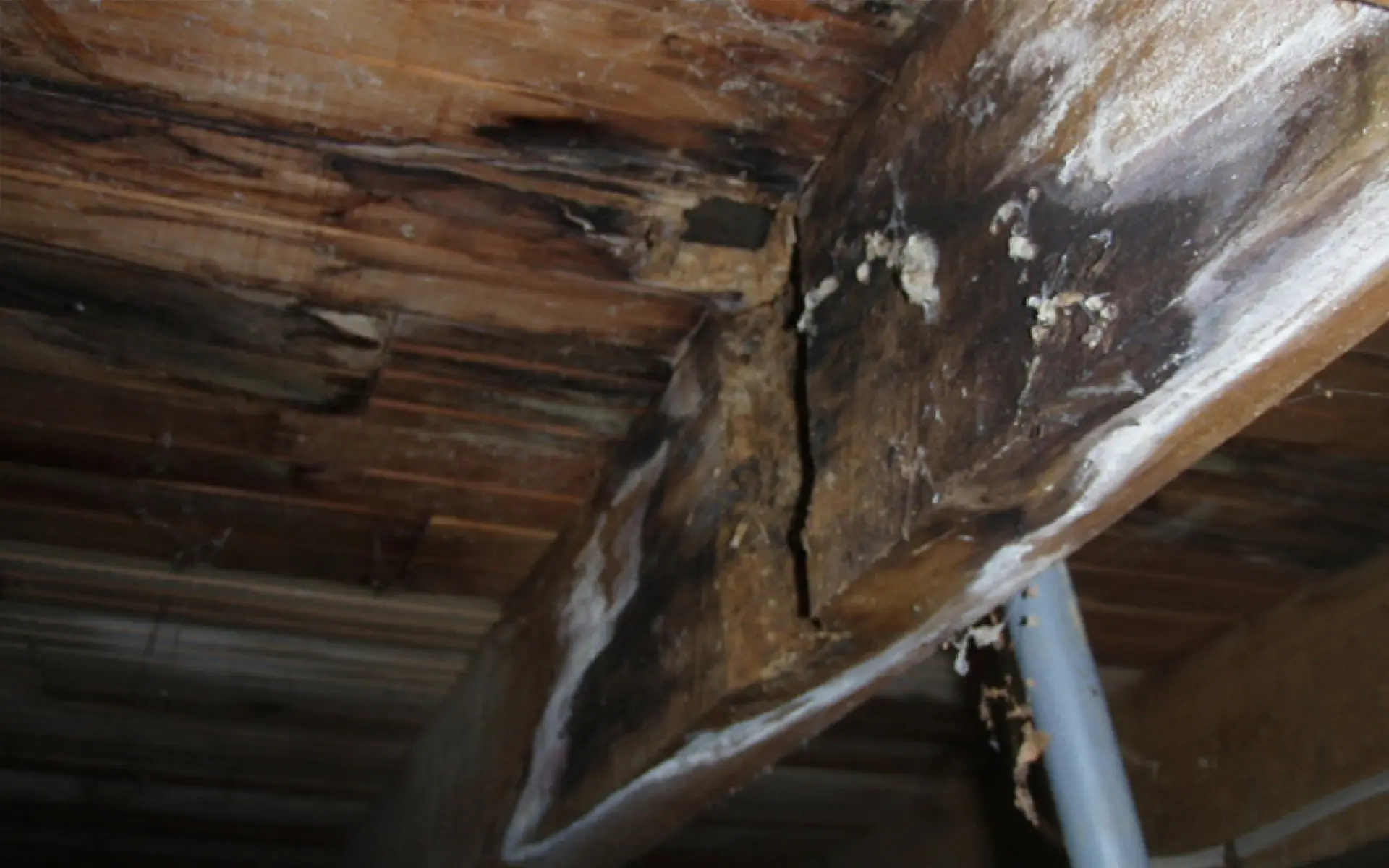
When 14 homes were assessed in Tamaki, Auckland, it was clear the poor condition of many had been costly in financial and health terms. It’s a lesson in why putting off maintenance is a bad idea.
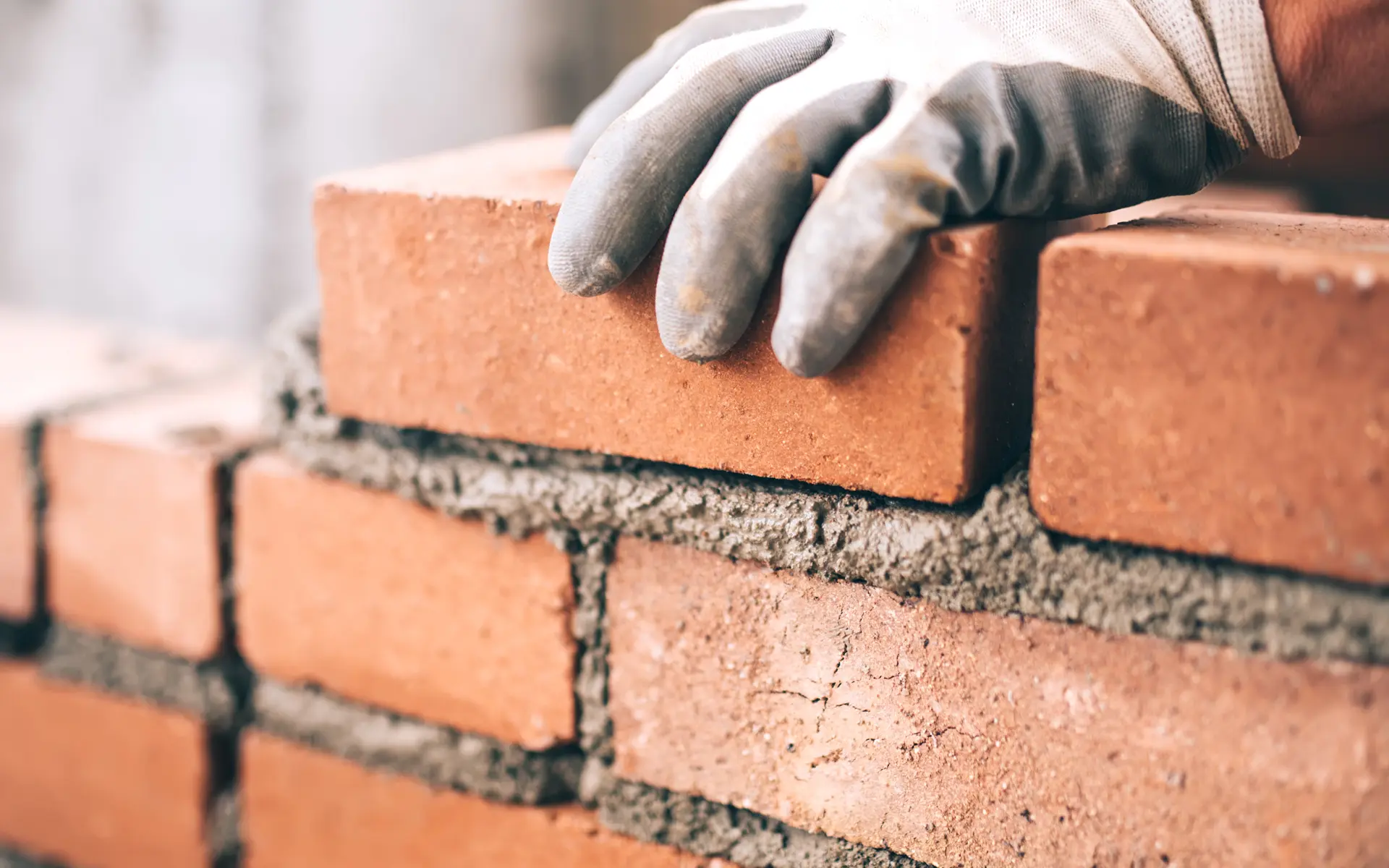
If mortar debris that falls to the bottom of blockwork cavities is not removed before filling, the bond between the grout, blocks, reinforcing bars and cavity base is reduced.
Maintain your home and it will look after you by maximising the lifespan of its individual components, Hose down your house regularly, for example, to reduce the need for major repairs to the cladding.
Property inspections carried out when a house goes on the market regularly turn up a whole range of problems. Some could have been found and fixed earlier if regular home maintenance had been carried out.
Results of this study apply to the retrofitting of external walls with direct-fixed claddings without wall underlay. Highlights The pan method (paper or synthetic) resulted in water getting onto the...
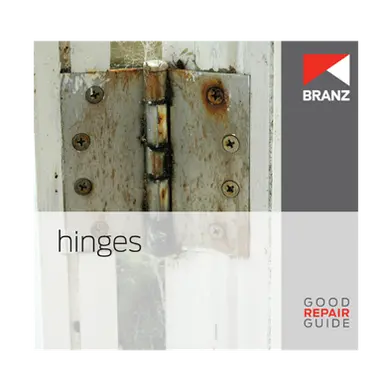
Hinges for timber doors and windows are frequently overlooked hardware items. It is not until they fail to operate properly that attention is paid to them. By the time this...
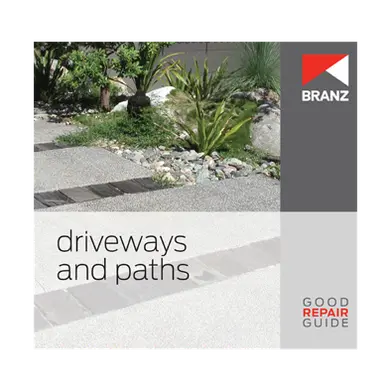
Driveways and paths require maintenance and may need to be repaired from time to time. The frequency and type of repair depends on the surface finish. Paths and driveways can become...
This study report builds on the information contained in SR100. Experimental investigations have been carried out to replicate the damage sustained by houses in earthquakes and to derive cost-effective and...
Product Description The repair of sealed joints in exterior claddings is an ongoing item of commercial building maintenance. Until recently, there has been little in the way of published information...
Home owners are usually aware of the need to maintain their homes but often they are limited in the funds available for maintenance. What are the implications of funding shortfalls...
This report details the results of on-site inspections of the physical condition of five small commercial properties in the Bay of Plenty area. It also includes the results of an...