

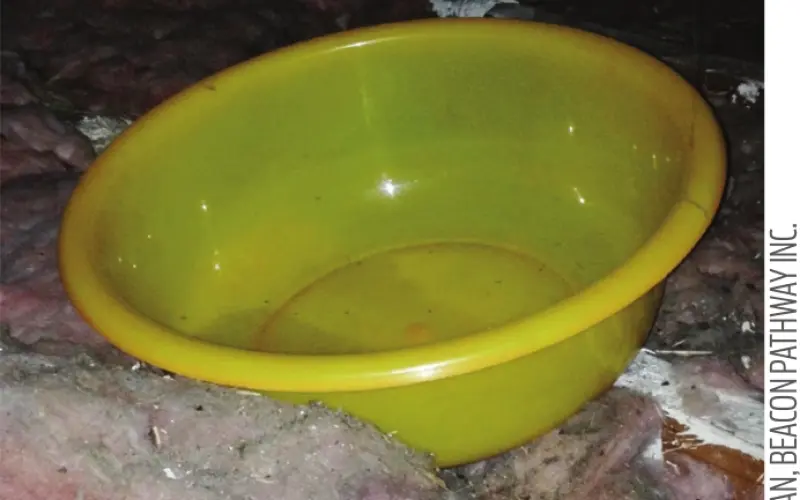


A recent Building Research Levy-funded project aimed to see what it would take to improve the performance of 14 houses and bring them up to a reasonable rentable condition. It also asked whether retiring them would be better.
The physical condition and performance of the homes were assessed by a Beacon researcher with expertise in home performance and a local builder.
Too much maintenance deferred
Most notably, addressing deferred maintenance (especially painting, weathertightness and dealing with moisture issues) dominated the upgrades the homes needed.
The BRANZ 2010 House Condition Survey provides evidence that a high proportion of New Zealand homes are in poor condition. Of the houses surveyed, 59% were in moderate or poor condition, and 25% had defects that needed attention urgently.
While much of the housing quality debate focuses on measures to improve performance, a lack of maintenance can equally impact home performance in terms of household bills, comfort and health.
Homes and occupants show impacts
The consequences of deferring maintenance were clearly demonstrated in these houses, with significant rot, leaks, structural damage, internal mould and draughts resulting in poor outcomes for residents.
Painting stood out as a key maintenance task required to keep timber buildings in good repair. Its significance is poorly understood, and it is often deferred given its relative expense.
Consequently, many of the sample houses had significantly deteriorated paintwork, inside and out, leading to rotting weatherboards and window frames. Five out of the 14 houses had significant rot and damage to external cladding, which was allowing moisture into the wall cavity.
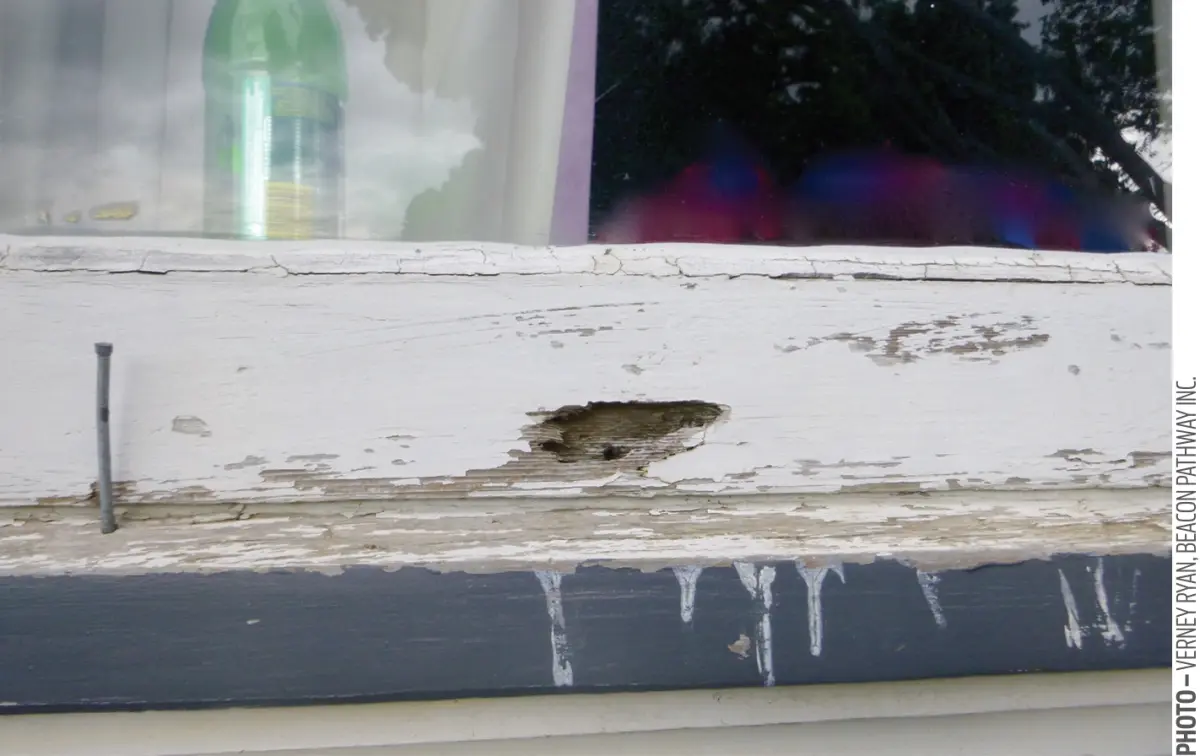
Flaking and peeling paint on wooden window frames was leading to wood rot and moisture entry. In the poorest-maintained houses, almost all of the windows were affected, and one house had such extensive rot, that it required full frame replacement.
Problems with roofs and gutters
Lack of maintenance of the roofing was letting moisture into roof spaces, damaging plasterboard and leading to damp and often mouldy conditions. Draughts were also making the internal environment cold. Most houses required roof repairs, from small repairs to ridgelines or capping to replacement of cracked and missing roof tiles.
Ten of the 14 sample houses required guttering maintenance, ranging from simple clearing and cleaning through to a full gutter replacement. Effective guttering removes stormwater from the dwelling and channels it away to maintain dry conditions.
In several houses, guttering needing relatively minor repair was beginning to cause major issues. For example, a simple blocked gutter on one house was causing entry of rainwater into the framing cavity of the dwelling down one side of the house. In another house, the lack of a gutter on one side led to ponding under the house. This caused mould and damp problems inside, leading to unhealthy conditions inside and potential deterioration of the building fabric.
Seals and draught strip repairs deferred
Seal maintenance and draught stripping were also easy repairs that were deferred. Seals on aluminium windows needed replacement, and 12 of the sample houses required draught stripping to reduce levels of uncontrolled ventilation in winter.
Internal maintenance lacking
Typical internal maintenance required included cleaning off mould, fixing plumbing leaks and drips and replacing silicone sealants in wet areas. In many cases, silicone sealants for showers over baths had deteriorated, and moisture was starting to penetrate the building structure. This, coupled with poor ventilation, was leading to excess moisture in the bathrooms and the home more generally, which, in turn, was encouraging the growth of mould throughout the house.
The consequences of deferring often simple maintenance measures were clearly poor health and comfort outcomes for the occupants in these houses.
Mould in over half
Mould was most commonly reported to be a problem in bedrooms (by eight respondents) and in bathrooms (also by eight respondents). Other respondents reported having no mould as they cleaned it regularly.
The mould was being exacerbated by moisture entry through poorly maintained cladding, roofing, windows and guttering. In addition to weathertightness, plumbing leaks, poor seals and lack of ventilation were creating wet building materials in bathrooms in particular. Draughts from poorly fitting doors and windows, chimneys and roofing were keeping internal conditions cold.
Health issues resulted
Interviews with the householders confirmed the impact of these performance issues. Six households reported doctor or hospital visits because of health issues that they thought could have been prevented if the home was in better condition:
- ‘All three [of the kids] had asthma before we got the insulation and heat pump.’
- ‘Sometimes [we] see mould. No insulation so very cold in winter.’
Two reasons for non-maintenance
Evidence from the household interviews suggests that deferring maintenance occurs for two reasons:
- It is a financial issue for people who do not have the ability to set aside enough money for regular maintenance.
- An advice and informational issue for those who lack an understanding of the need and importance of regular maintenance.
Financial constraints were identified by nine of the 11 households as a barrier. However, many of the maintenance issues would be relatively inexpensive if tackled regularly, for example, repainting or touch-ups of window frames versus replacing rotted window frames.
Households reported a relatively low level of knowledge of how to solve house maintenance problems. For example, several households knew they had mould and that it was a problem, but they didn’t know how to solve it.
Need to push value of maintenance
Critically, most households did not realise that delaying simple areas of maintenance could directly affect their family’s health, comfort and budget.
It’s a lesson we need to share widely around New Zealand.