BRANZ welcomes the government’s commitment to tackling housing affordability by increasing access to international building products. At the same time, BRANZ CEO Claire Falck reiterates the importance of ensuring products will perform well in New Zealand conditions.
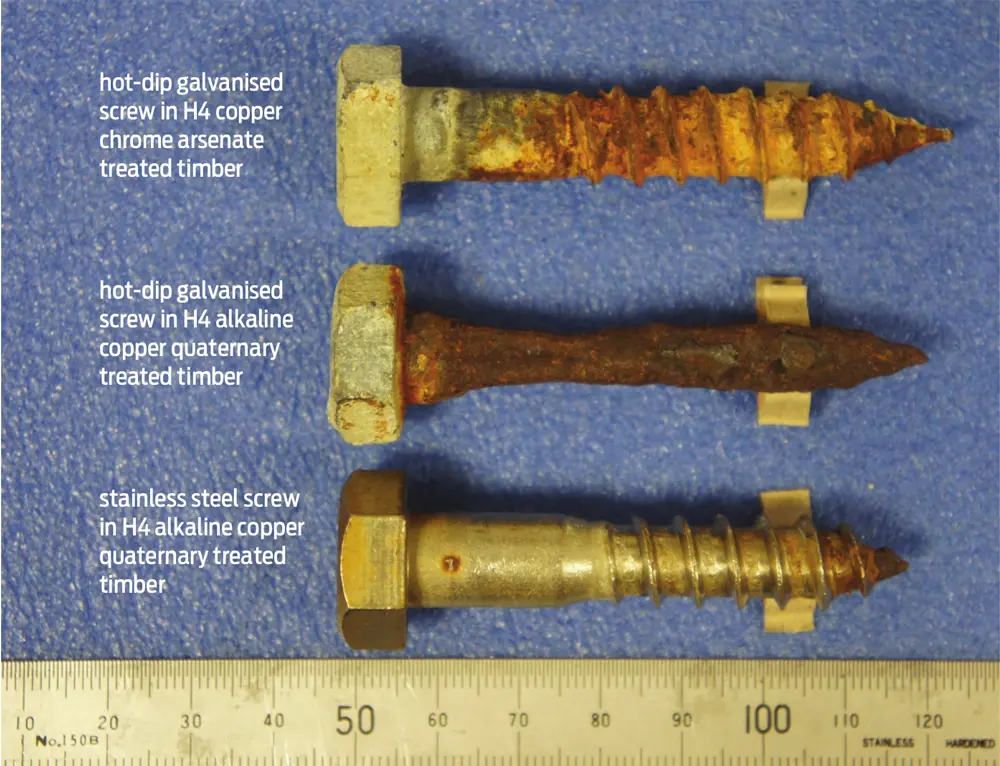
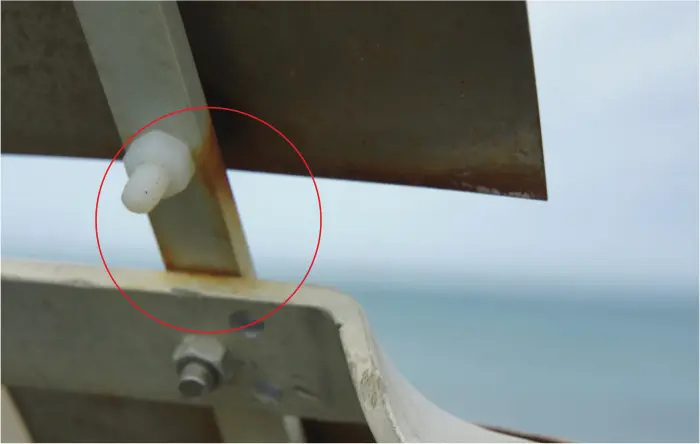
BRANZ has been investigating what can make metal fasteners and fixings corrode when used in timber. Understanding this can lead to selection of compatible components and less risk of premature failures.
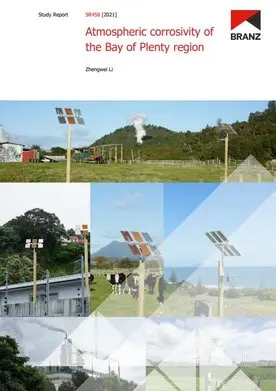
BRANZ research is expanding our knowledge of how multiple factors influence building material corrosion. This will lead to a new way of mapping corrosivity and allow the right materials to be specified for different environments.
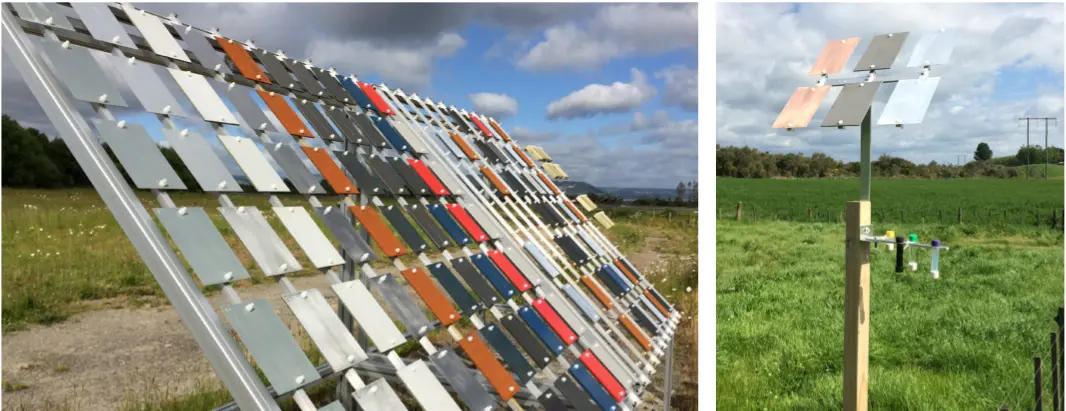
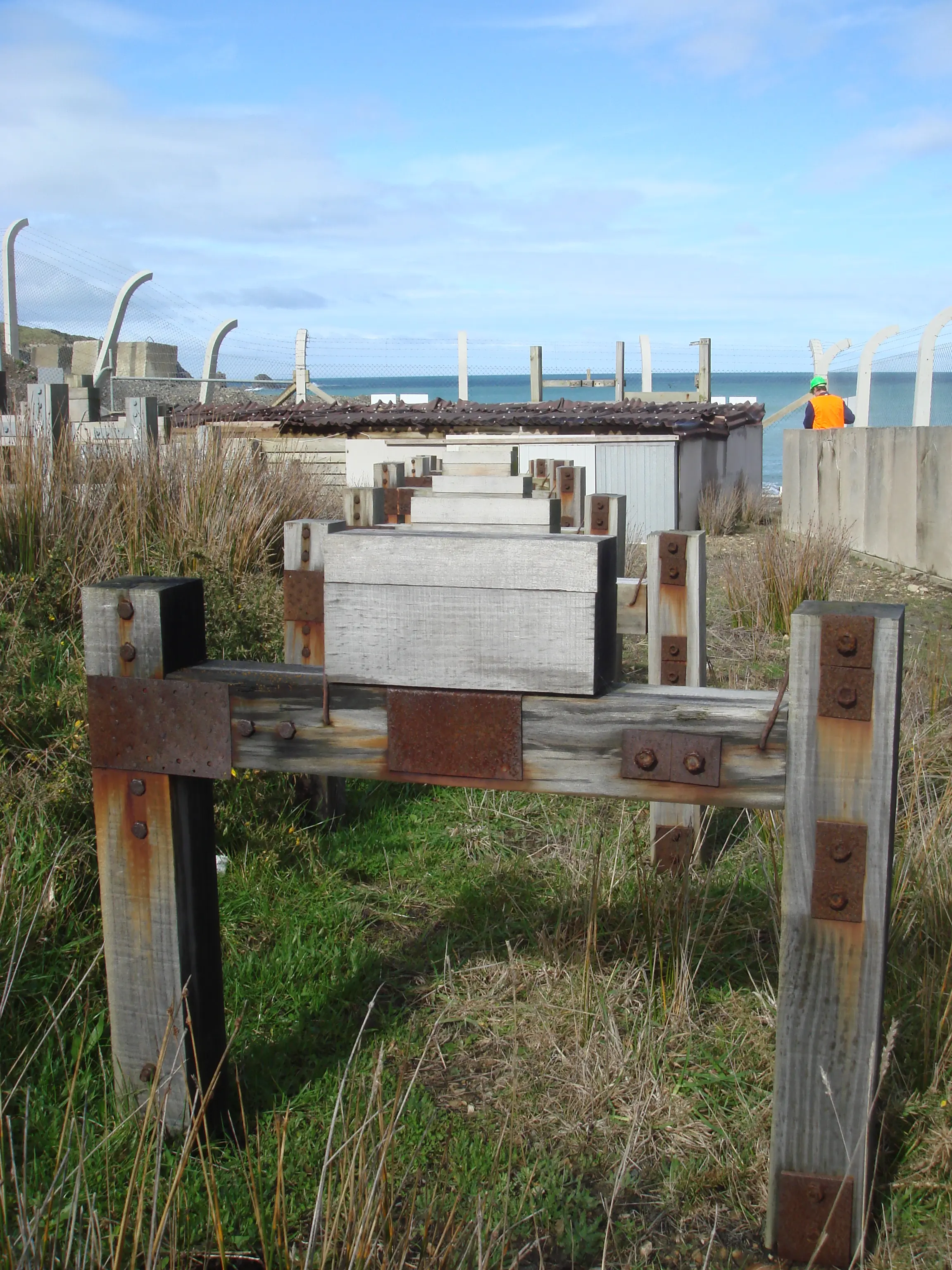
At around 25 carefully chosen sites around Aotearoa New Zealand and offshore, metal building materials are systematically exposed to nature’s harshest conditions. It’s all in the interests of safe, durable and fit-for-purpose homes and buildings.
Sun, sea spray and geothermal activity are the background to our lives – fun in the present but silently eating away at our buildings over the long term. BRANZ corrosion maps are invaluable at showing the effects to help understand what materials should be used where.
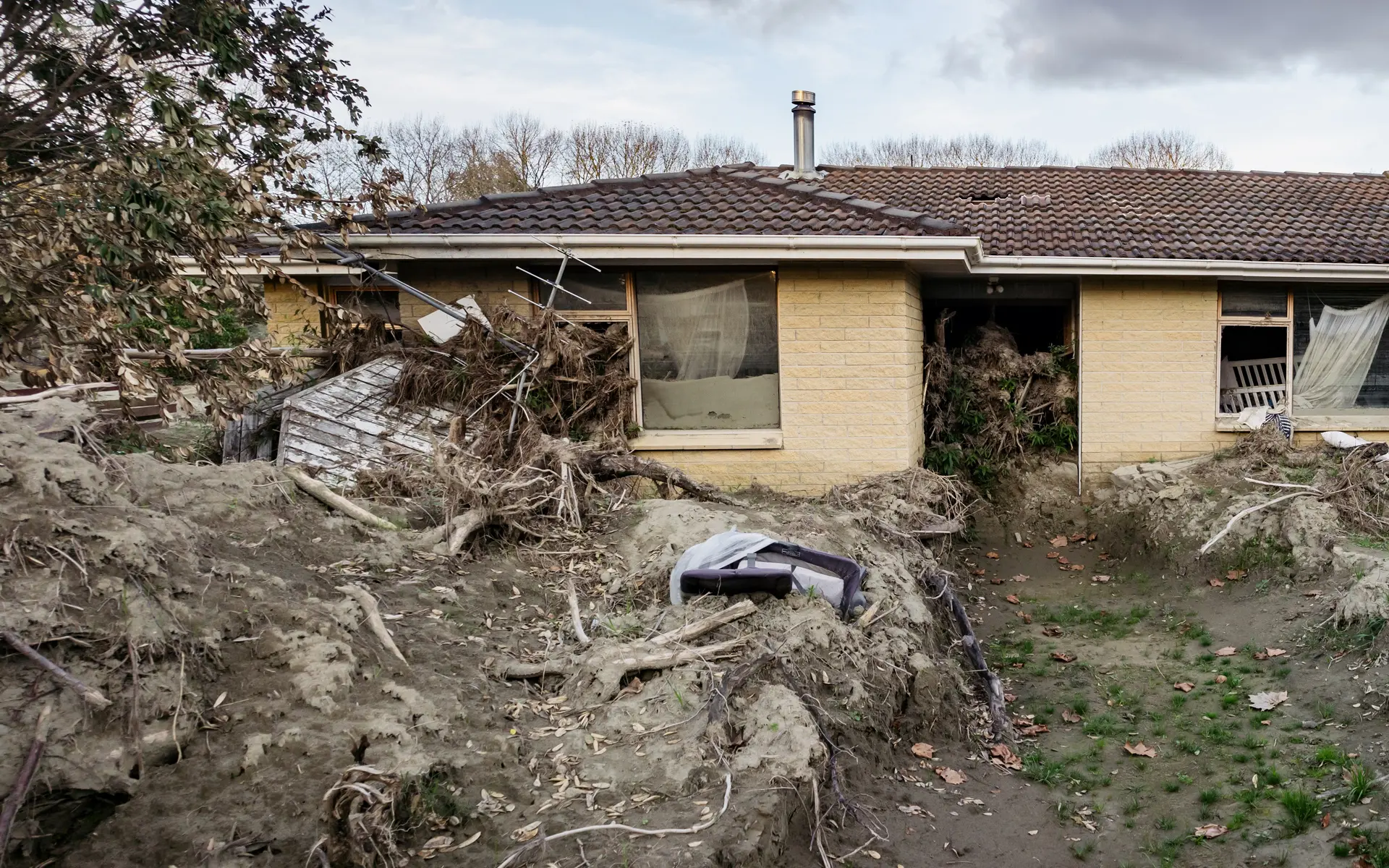
It’s clear from recent events that intense rainfall can wipe out buildings. An important BRANZ research project will dig deep to see if emerging building materials will be able to stand up to our changing climate.
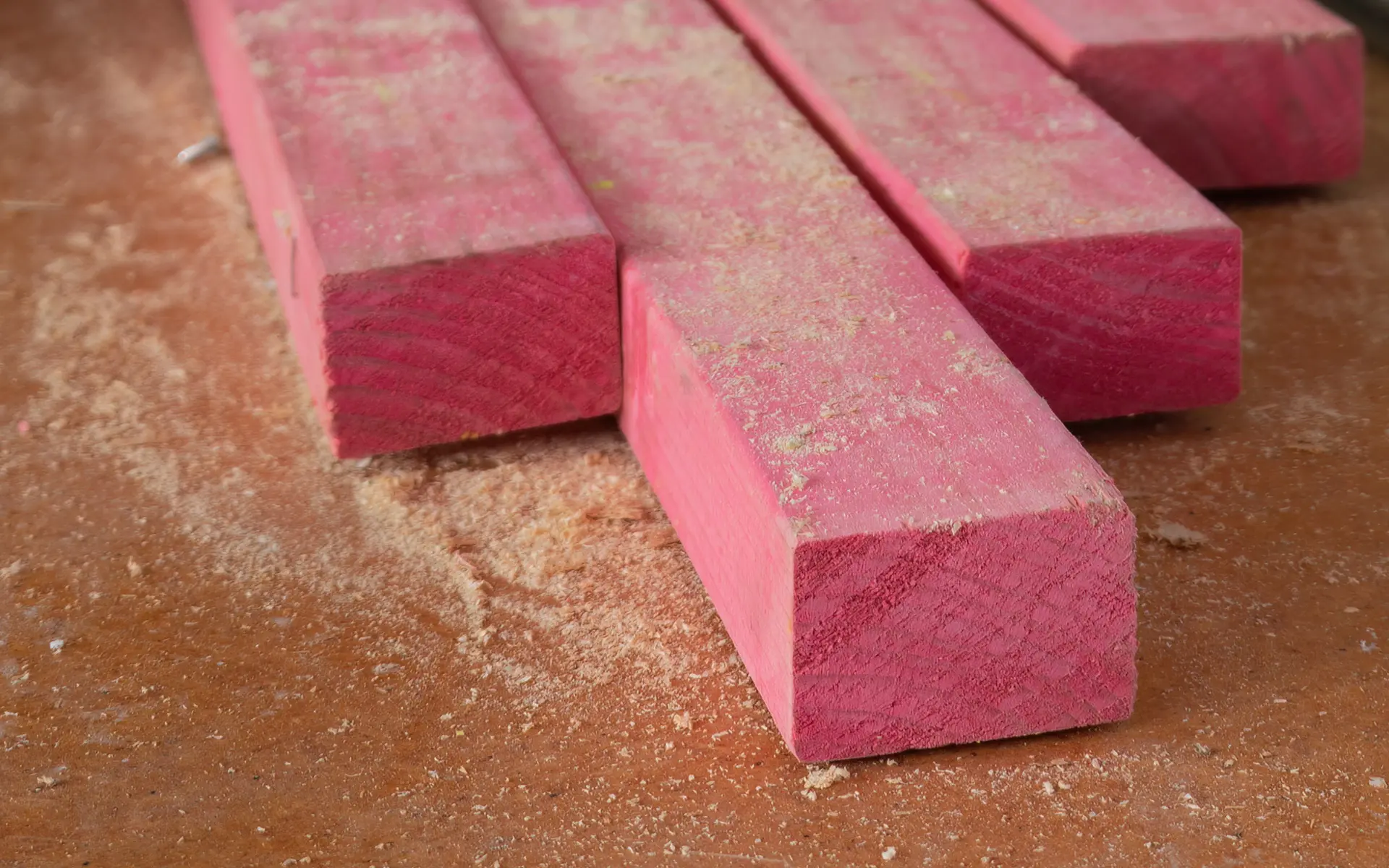
Specifying the required levels of treatment for different timber members is a key part of achieving durability and Building Code compliance. Here are the key issues to be aware of.
When it comes to specifying the fixings for different locations around a timber-framed house, the key requirements can be found in NZS 3604:2011 Timber-framed buildings. Here is an overview.
This study may help refine the New Zealand atmospheric corrosivity map. This map is a key component of the material specification scheme used by New Zealand Building Code Acceptable Solution...
New Zealand has numerous geothermal systems, particularly in the central part of the North Island. Geothermal emissions with sulphur-containing gas species, such as hydrogen sulphide and sulphur dioxide, can be...
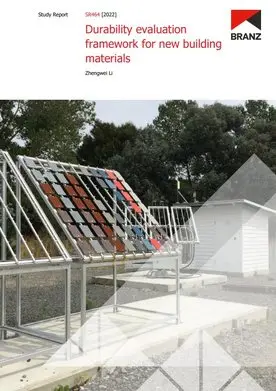
This study developed a generic framework to help facilitate the durability evaluation of new building materials. It described a structurally phased durability evaluation procedure and a general approach for developing...
Atmospheric corrosion testing was conducted at 39 exposure sites across New Zealand. The corrosion rates of mild steel and hot-dip galvanised zinc-coated coupons were measured after 1 year of exposure...
This study is the second part of the research project that aims to check and maintain the ongoing validity New Zealand atmospheric corrosion rate dataset. This dataset underpins the New...
This report provides a study into the corrosivity of a copper azole (CuAz) and two alkaline copper quaternary (ACQ) timber treatments relative to a copper-chrome-arsenate (CCA) preservative. The metals examined...
The increasing use of high-strength materials in building constructions often results in relatively flexible components, which are more prone to deflection problems. Such problems manifest themselves in various ways, including...
A series of concrete blocks, made from cement blended with slag, silica fume or natural silica pozzolan SCMs, were placed on exposure sites corresponding to the C, B2 and B1...
The objective of this project was to determine the condition of the nail plates in the roof space of houses with concrete tile roofs. Of primary concern is the extent...
Product Description A building industry-wide survey was carried out using a looseleaf questionnaire in Build to identify the relative incidence of problems being experienced with plastics in New Zealand buildings. Main...
Product Description Three categories of buildings were selected - domestic, low-rise commercial and high-rise commercial - for an economic comparison of various paint systems on anodised and powder-coated aluminium window...
Product Description In New Zealand, the production and use of plastics-based building materials has generally not been accompanied by a good understanding of the behaviour of such materials in use....
This literature review acts as a stocktake on what work has already been undertaken to solve common quality issues in New Zealand and what successful solutions we can learn from....
BRANZ has developed a two-stage accelerated test methodology to determine the aggressivity of timber treated with different preservation chemicals towards mild steel and ho- dip galvanised nails.In comparison with conventional...
This is the Appendix to SR241. The full report summarises the results obtained from the third year of field exposure tests carried out at BRANZ’s Judgeford site.It discusses the corrosion...
This report summarises the results obtained from the third year of field exposure tests carried out at BRANZ’s Judgeford site.It discusses the corrosion performance of typical metallic fasteners embedded into...
Over recent years, the advent of the closed combustion solid-fuel stove in New Zealand has led to an increased usage of metal flues (currently estimated to be about 250,000) and...
Structural insulated panels (SIPs) have become increasingly popular internationally, driven by the demand for fast, affordable and energy-efficient building solutions. SIPs construction is increasing in New Zealand, but there is...
This report presents some results from the 2015 BRANZ House Condition Survey. The analysis focuses on comparing house condition between the two tenures (owner-occupied and rented). The BRANZ House Condition...
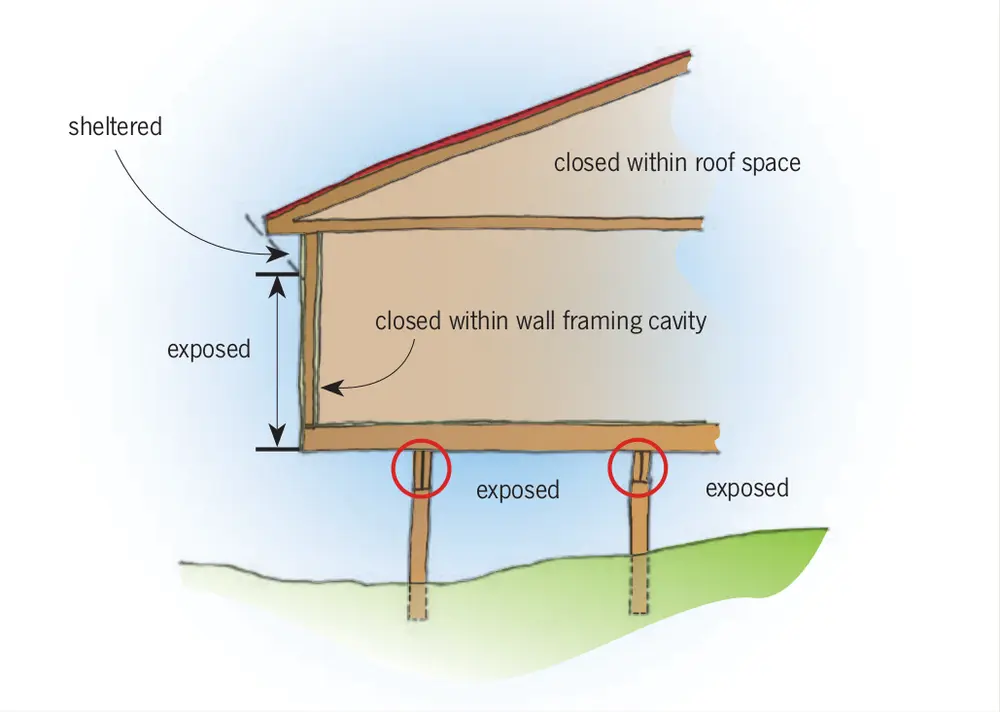
This study investigated the formation and characteristics of exposed and sheltered positions on seven residential buildings located within representative corrosivity and climate zones across New Zealand.
Most of the commercial organic-based polymers used in the building and construction industry undergo photolytic and photo-oxidative reactions during exposure to solar UV radiation.The premature failure of these building polymers...
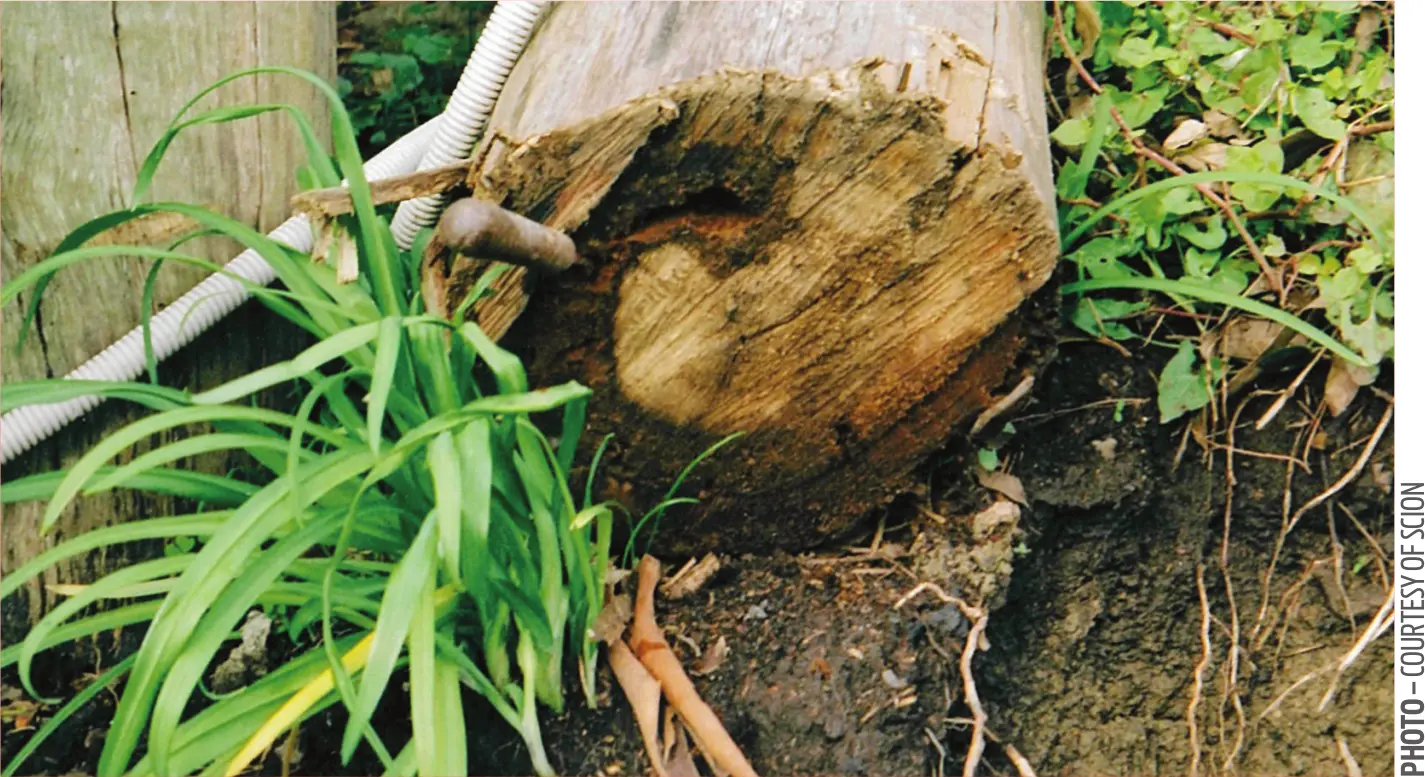
Even if it is treated, timber can sometimes decay sooner than expected. When this is because of an active fungal population in the surrounding area, simple actions can prevent replacement timber from also rotting.
The majority of New Zealand houses are timber-framed but there are other options available. Architectural designer Bruce Campbell talks about his first experience using prefabricated steel frames in his own home.
Recent changes to Building Code clause B2 Durability and the issuing of a technical advisory note and model specifications have helped clarify the requirements for structural steel and commonly used coatings.
High-performance testing of windows for weathertightness developed by BRANZ should give the industry confidence in the weathertightness of window to wall joints.
A BRANZ project has been investigating alternative options to retrofitting insulation to timber-framed walls with direct-fixed cladding and without underlay.
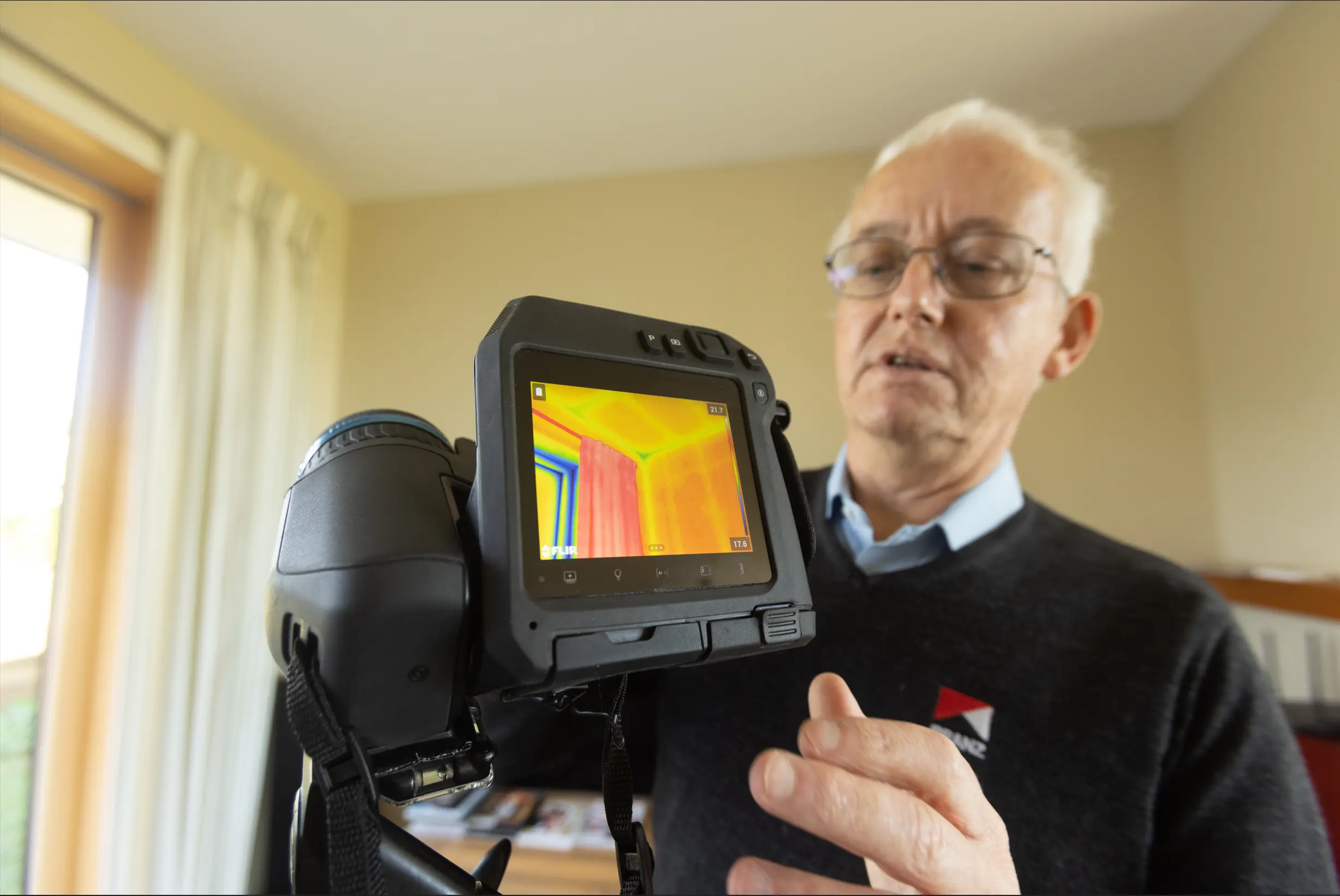
Escaping heat follows the path of least resistance, flowing from warm areas to cold ones. Reducing the impact of potential thermal bridges in a building will help keep the warmth inside.
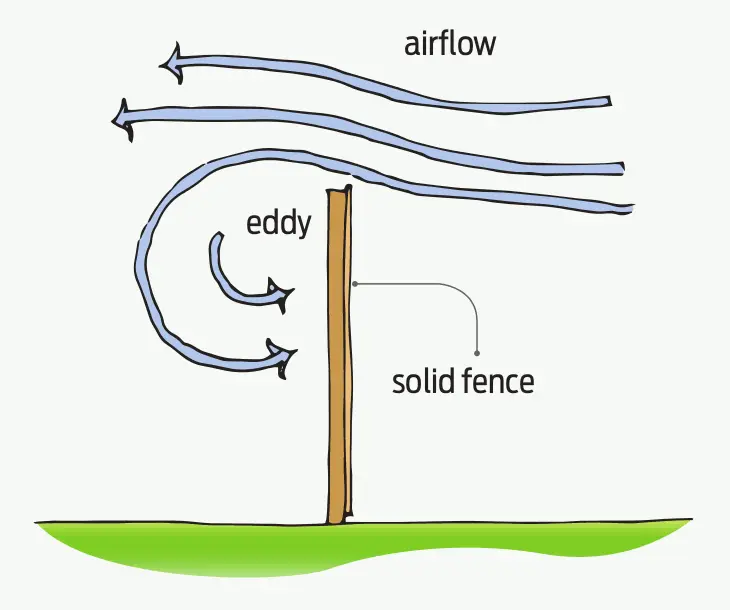
While we can’t change New Zealand’s gusty climate, there’s plenty we can do to minimise its impact. Clever siting of buildings, modifying the landscape and providing shelter in the form of fences and plantings help.
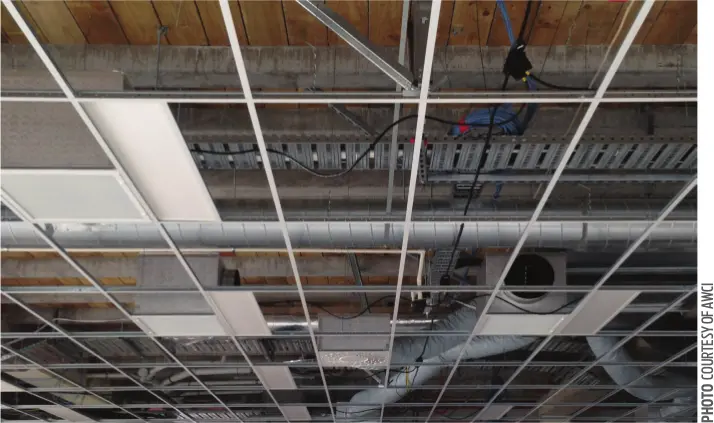
Suspended ceilings fared poorly in recent earthquakes. In response, the relevant standard was revised, and there are stringent design and installation requirements to prevent collapse in a 1-in-500-year event.
This BRANZ stakeholder engagement project investigated the possibility of developing a tool that evaluates a range of interrelated variables such as embodied and operational carbon, thermal performance, energy efficiency, moisture...
Buildings are complicated. As part of the design process, the building designer must balance a range of potentially conflicting considerations such as: client (owner/developer) attitudes to costs and maintenance material...
This report brings together findings from four research reports concerned with how we can go beyond the current New Zealand Building Code (NZBC) to construct better-performing dwellings.Residential buildings in New...
With wide-scale individual housing inspections being expensive, cost-effective ways are needed to measure housing quality and differences in quality by tenure, demography and housing attributes.We used nationwide data from CoreLogic...
This is the second in a series of reports on the measurement of performance in the construction industry.The Building and Construction Sector Productivity Partnership is concerned at the low growth...
This is the second of a series of reports on the physical characteristics of new housing. The data was obtained from BRANZ surveys to builders of new detached houses. The...
This report provides the findings on the overall condition of New Zealand houses. The analysis uses the data collected from the fourth House Condition Survey Study (2010). This survey is...
This publication gives design and construction professionals practical tools they can use to exceed the minimum standards of the New Zealand Building Code. It will also support building consent officials...
This report is the third study into the condition of homes in New Zealand. Previous surveys were carried out in 1994 and 1999.This report summarises the results of on-site inspections...