



Some reports suggest that adding insulation to the existing exterior walls with direct-fixed cladding and without underlay may change the path of rainwater leaks, increasing the risk of water transfer from the back of the cladding to insulation and framing as well as reducing the drying potential of the wall. BRANZ investigated this in direct-fixed weatherboard walls, aiming to find potential solutions to improve our homes.
Developing retrofit insulation options
It is estimated that over 600,000 houses in Aotearoa New Zealand lack wall insulation, mostly those constructed before insulation requirements were introduced in 1978. Retrofitting wall insulation to these houses is essential to improving our housing stock by providing warmer, drier and healthier environments for the occupants. This will also make maintaining a healthy environment more affordable and reduce energy use and the environmental impact of housing.
There are a limited number of retrofit wall insulation solutions available, particularly for cases that lack building underlay. Current options in NZS 4246:2016 Energy efficiency – Installing bulk thermal insulation in residential buildings for adding insulation to exterior walls without underlay are to either install a pan of underlay before adding the insulation or to provide a 20 mm separation between the back of the cladding and the insulation.
We need a better understanding of retrofitting insulation solutions as well as to develop solutions to enable us to improve the performance of our housing stock and make contributions to achieving our 2050 zero-carbon targets.
Retrofitting Insulation – a research project currently under way as part of the Warmer, drier, healthier homes programme at BRANZ – seeks to investigate alternative options to install insulation to timber-framed walls with direct-fixed cladding and without underlay.
What we did
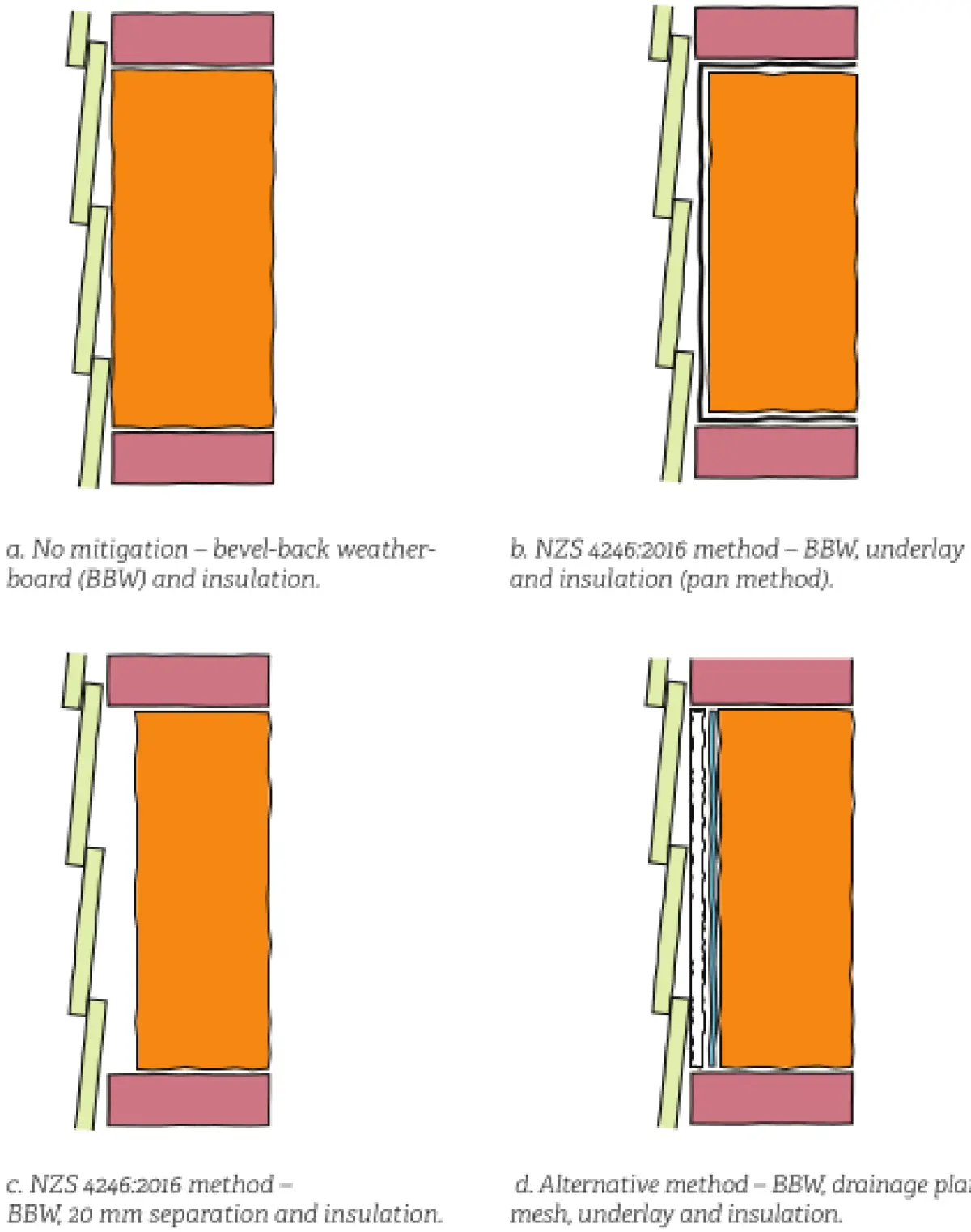
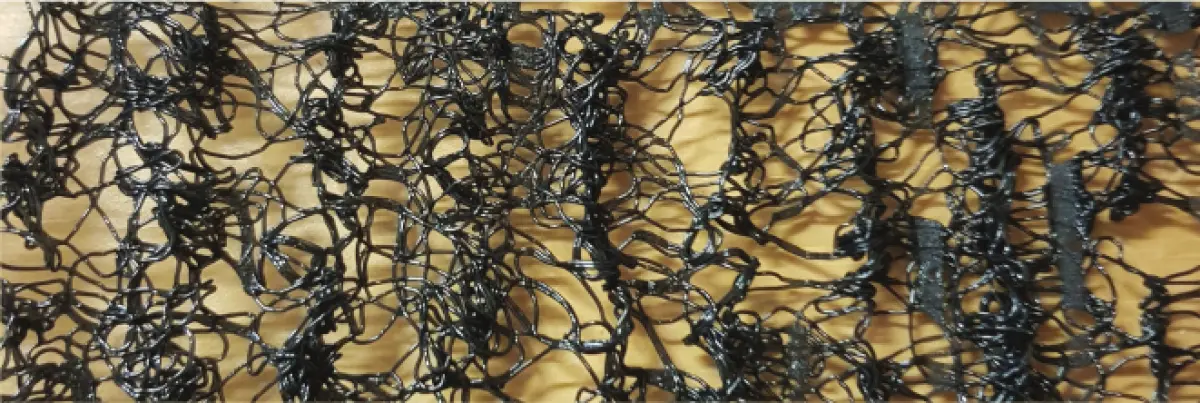
Figure 1 shows the investigated techniques for retrofitting insulation in exterior walls with direct-fixed claddings. This research revisited the use of pans of wall underlay (Figure 1b) and the use of a 20 mm separation (Figure 1c). It has also been extended to include the use of 7–8 mm thick drainage plane mesh as a means of keeping a drainage path open and protecting the installed insulation (Figure 1d).
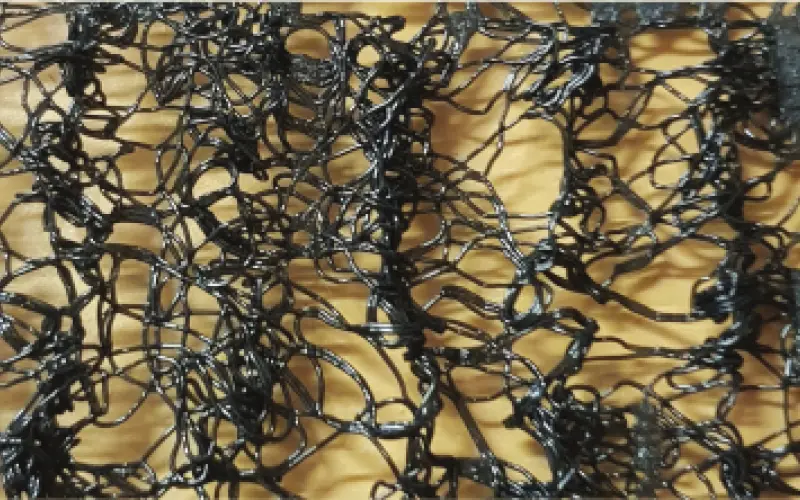
BRANZ has previously studied how drainage plane materials perform and their potential applicability to addressing some weathertightness issues (see Can drainage mats perform in New Zealand? in Build 119). Figure 2 shows one of the three examples of drainage plane mesh used in this research.
Laboratory experiments were carried out using a previously developed test method to evaluate the water management ability of these retrofit insulation techniques. The method is based on Building Code Verification Method E2/VM1 and is described in BRANZ Study Report SR436 Linings-on retrofit insulation in weatherboard walls: Ensuring effective water management. Analysis of the performance was visual only, including thermal imaging during both testing and disassembly.
Four types of underlay and two types of insulation material were tested. The primary need was to prevent any water transfer to the framing and insulation.
Initial results
Overall, there was no significant difference in the outcome between different insulation materials. However, there were differences in the water management performance between the investigated techniques.
In the technique seen in Figure 1a (insulation without underlay or separation), water was transferred to the framing and the insulation.
When the insulation was in smaller pieces, there were more joins and more edges where water could track into it, highlighting the importance of installing insulation with as few joins as possible.
In the technique seen in Figure 1b, insulation was installed without separation and with retrofitted underlay.
Some of the water was transferred onto the studs, dwangs, bottom plate or diagonal bracing. One possibility is that water is trapped between the retrofitted underlay and framing. This method potentially reduces the ability of the framing to dry. While insulation may be unaffected, the outcome is still undesirable.
In the technique seen in Figure 1c, insulation was installed with 20 mm separation and without underlay. Initial tests followed NZS 4246:2016 guidance where insulation was held in place with horizontally installed strapping. It was difficult to staple with a 90° corner and precise positioning, resulting in a separation that was less even than what is given in the standard. This technique did not prevent water transfer onto the insulation and framing.
In the technique seen in Figure 1d (alternative method), insulation was separated via drainage plane mesh and underlay. In some tests, very small amounts of water transferred onto the framing, but in other tests, there was no water transfer at all. Water transfer was obviously related to small defects on the framing or the bottom plate.
Additional testing
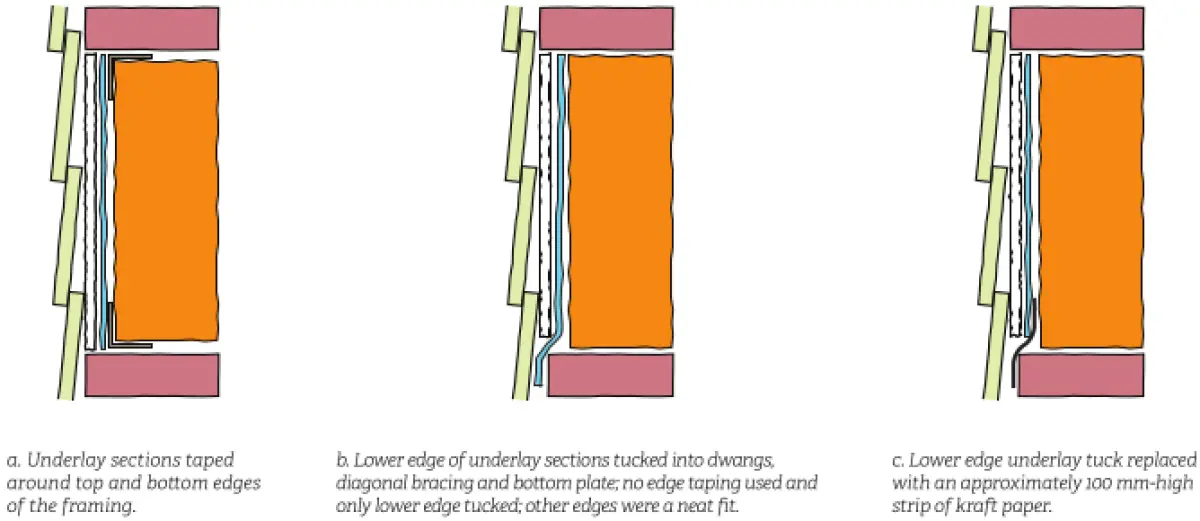
Since the alternative method (combinations of drainage plane mesh and underlay) performed reasonably well, follow-up testing was conducted to investigate which solution would be more appropriate to prevent water being transferred onto the bottom plate (see Figure 3).
Strips of kraft paper tucked into the bottom plate (Figure 3c) were the most successful at preventing water being transferred onto the bottom plate and were easy to install. This reinforces the benefits of correct layering of materials to create natural drainage pathways.
Conclusion
Maintaining a 20 mm separation between the back of the cladding and the insulation was unable to prevent water transfer to the insulation or framing and limited the thickness of insulation installed.
However, it was observed to perform better than the pan method. The most reliable mitigation measure was found to be drainage plane mesh combined with a synthetic underlay between the mesh and retrofitted insulation. The most effective way to protect the bottom plate was a strip of kraft paper tucked into the gap between the framing and the back of the cladding (see Figure 3c).
Repair framing before retrofitting
After removing wall linings to retrofit insulation, the condition of the framing should be thoroughly inspected and repairs made to any defects. This ensures that any water that gets through the cladding can drain down the back of the weatherboards and drain out.
Field trails are planned to find efficient ways to install the drainage plane mesh and underlay.
For more: