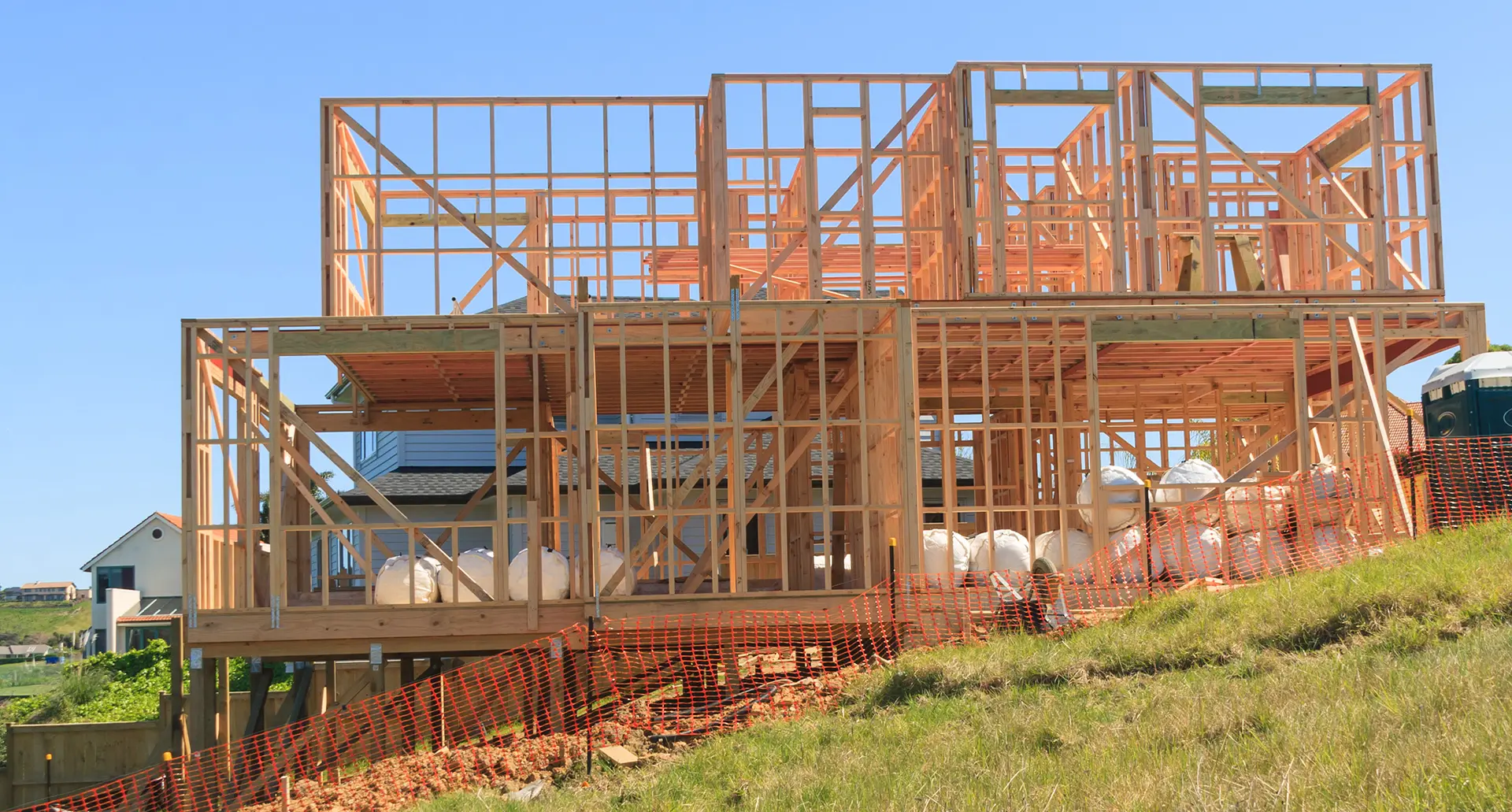
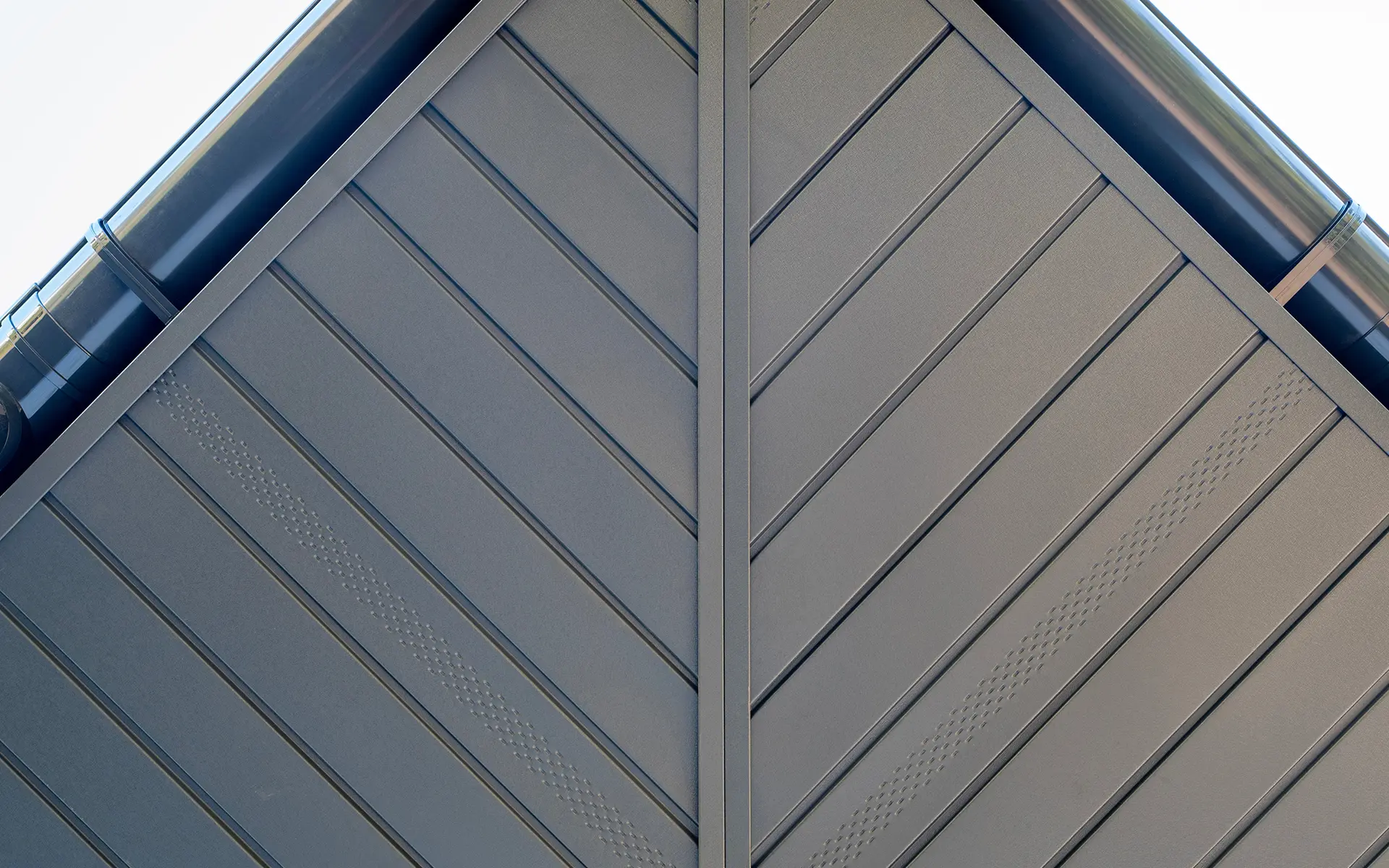
Learn how NZS 3604:2011 simplifies roof framing through updated design tables, standardised fixings, expanded purlin options and streamlined roof bracing requirements for modern residential construction.
Careful design is required to ensure skillion roofs meet the insulation requirements in Building Code clause H1 and don’t allow moisture transfer into the roof space. Here is some practical guidance.
NZS 3604:2011 permits the use of built-up members, except for jack studs, bottom plates or top plates, which must be solid timber. However, there are a few rules to follow.
You could be forgiven for getting the wind up about wind speeds, pressures and zones, but don’t worry. Here, we go back to basics to explain how they relate to one another.
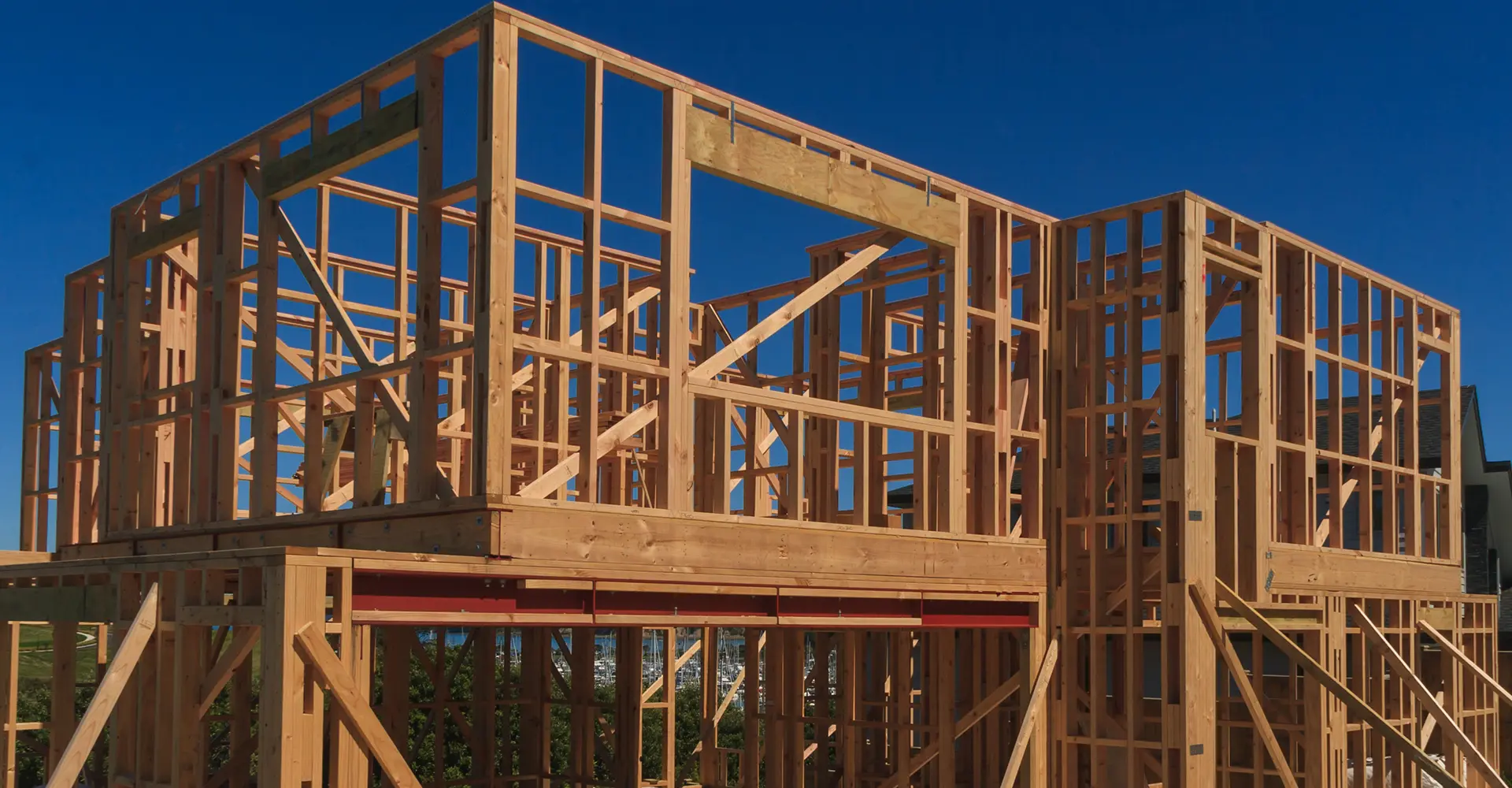
Using 140 mm framing in external walls allows for a better insulated, warmer home and has practical advantages on the building site too. There are different requirements for 140 mm and 90 mm timber framing to be aware of.
While the use of dragon ties in New Zealand residential construction has decreased over recent decades, they remain a simple and cost-effective method to provide bracing solutions to larger rooms. However, BRANZ helpline queries suggest there is still some confusion around when they should be used.
Jack studs and bottom and top plates must be solid timber members, but NZS 3604:2011 lets other solid timber members be replaced by built-up members. However, these need to be done correctly.
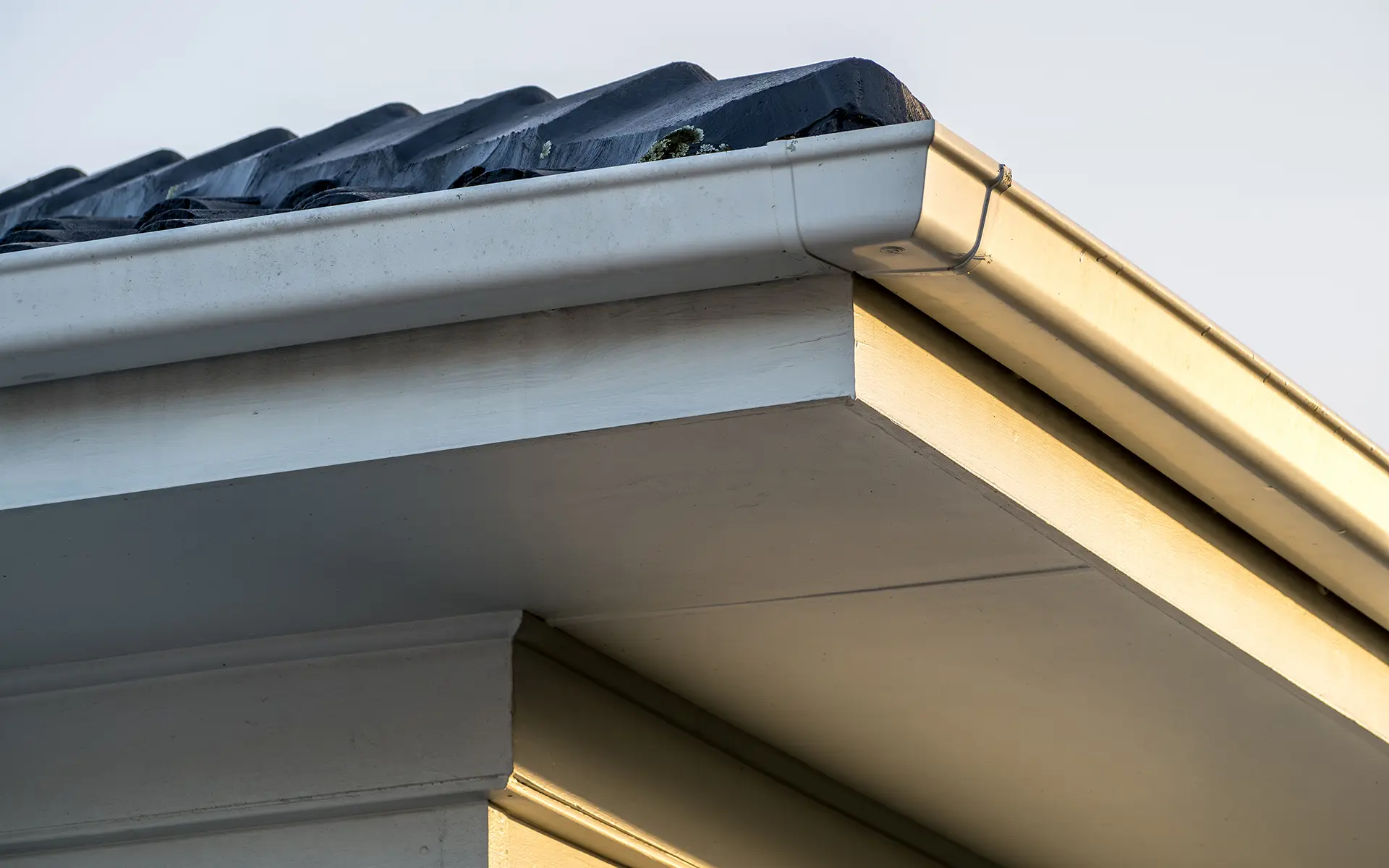
A common feature of many leaky buildings is that they were constructed without eaves, usually with walls terminating with a parapet. Changing this design detail can greatly enhance a building’s weathertightness.
MANY ARTICLES IN BUILD and elsewhere have focused on precautions necessary to avoid roof failures in high winds. These have ranged from retrofitting fixings to durability of screw fixings. NZS...
A single, boron-based treatment class, H1.2, may now be used for almost all enclosed timber framing. This has simplified framing timber, but have treatment processes or on-site handling changed?
NZS 3604:2011 Timber-framed buildings does not define stud length or height. This is creating some confusion, especially when continuous studs for chimneys or parapets pass intersecting framing. BRANZ has some advice.
The quantity of framing in New Zealand housing is often stated to be excessive compared to Australian housing. The study examines if and where timber quantities could be reduced and...
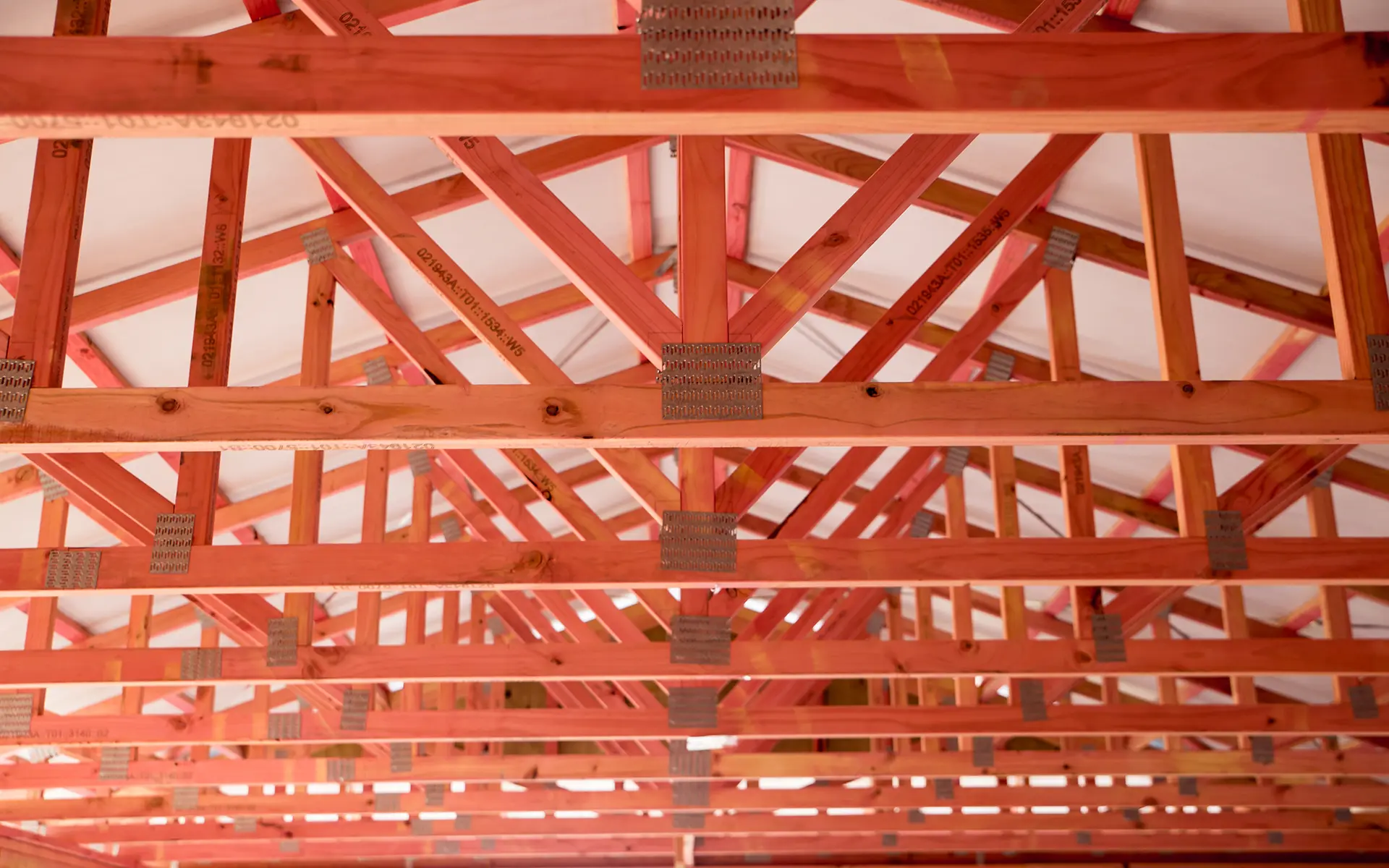
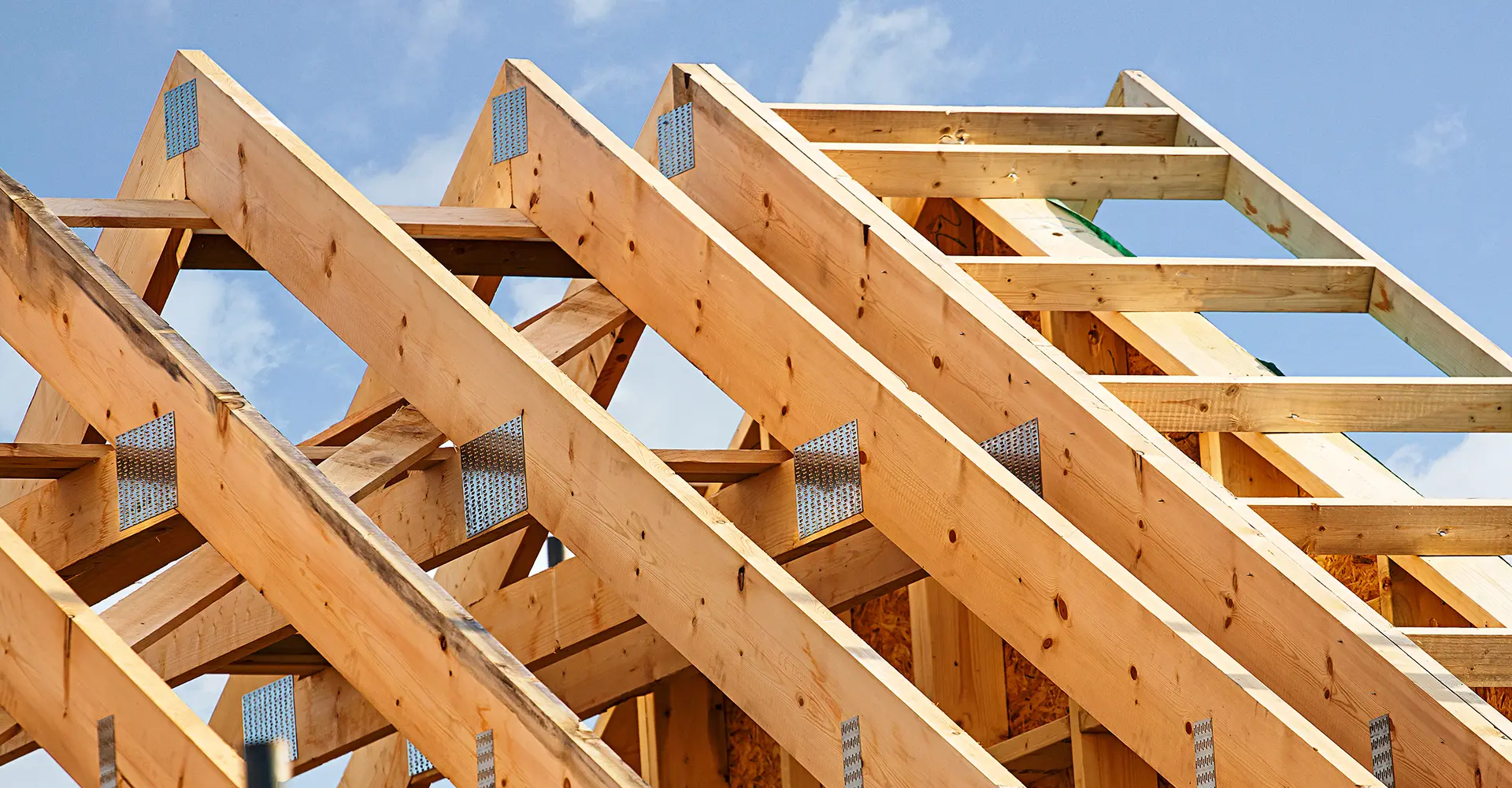
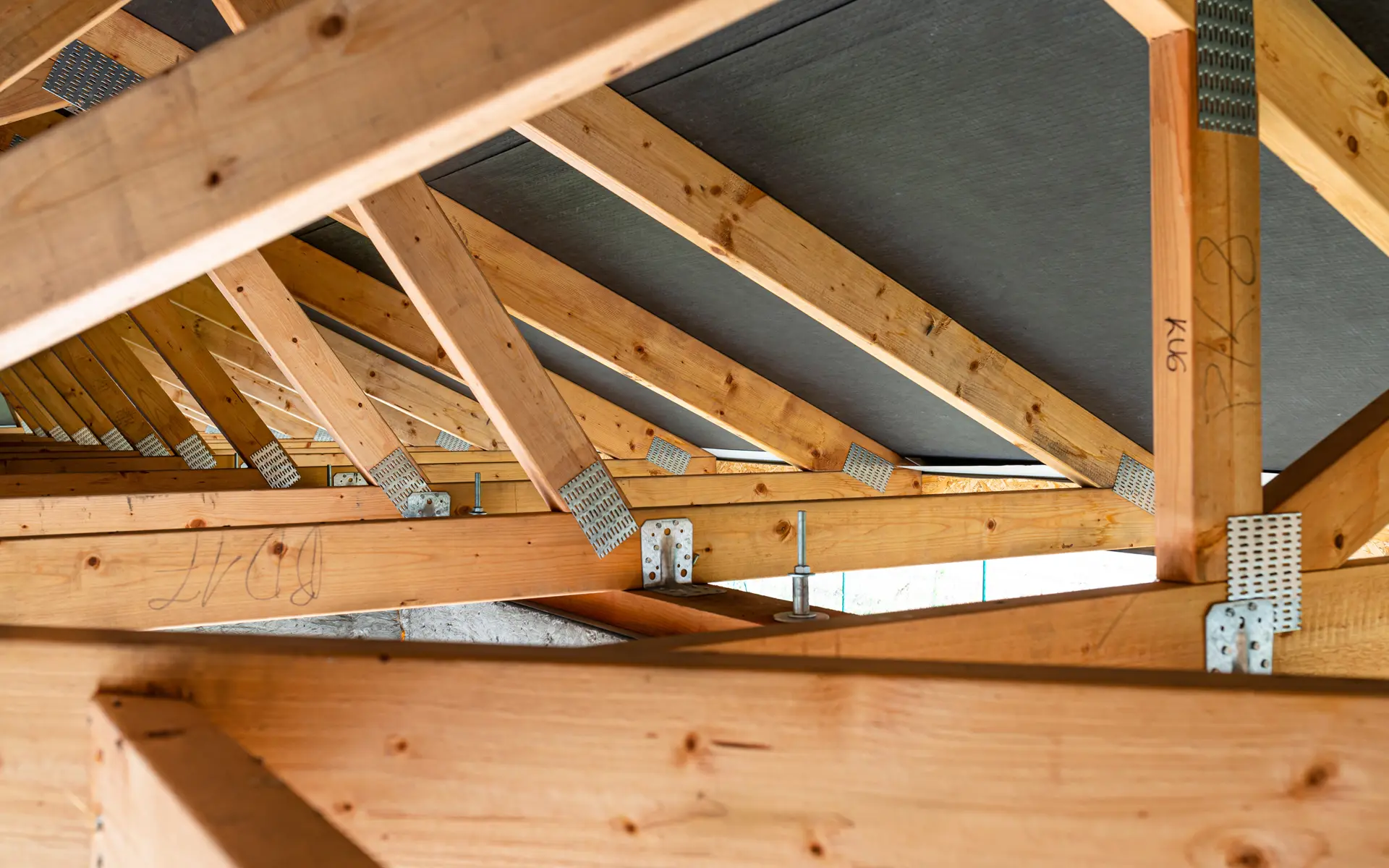
A high proportion of residential buildings use timber nail-plated roof trusses to form the roof structure. NZS 3604:2011 includes provisions for their use.
There are a myriad of fixing types and finishes available. Selecting the right fixing for the location is critical to the ongoing performance and durability of the building.
The correct fixings are needed at the various junctions of a timber-framed building structure to resist uplift in windy conditions. In this article, we summarise where to find them in NZS 3604:2011 and what is required.
There seems to be some confusion around selecting lintels and deciding if uplift fixings are required using NZS 3604:2011 Timber-framed buildings Table 8.14, so grab your copy of NZS 3604 and work through the steps.
The objective of this research is to provide the design community with an inter-tenancy housing structural connection system that can achieve the structural and acoustic insulation performances required by end...
Product Descriptions Light-gauge profiled steel claddings can act effectively as structural diaphragms and in so doing can enhance a building’s performance. Much work has been done overseas to study the...
This report describes a research investigation that was carried out to determine whether it was possible to achieve satisfactory performance in terms of the performance requirements of the AS/NZS 2699.1:2000...
An assessment was made of the load demands on bottom plate anchors under both extreme events (windstorm or earthquake) and in-service loads (general robustness).This showed that the provisions currently in...
This report describes a series of tests carried out on bolted timber joints loaded in single shear and with departures in end and edge distances, bolt hole size and washer...