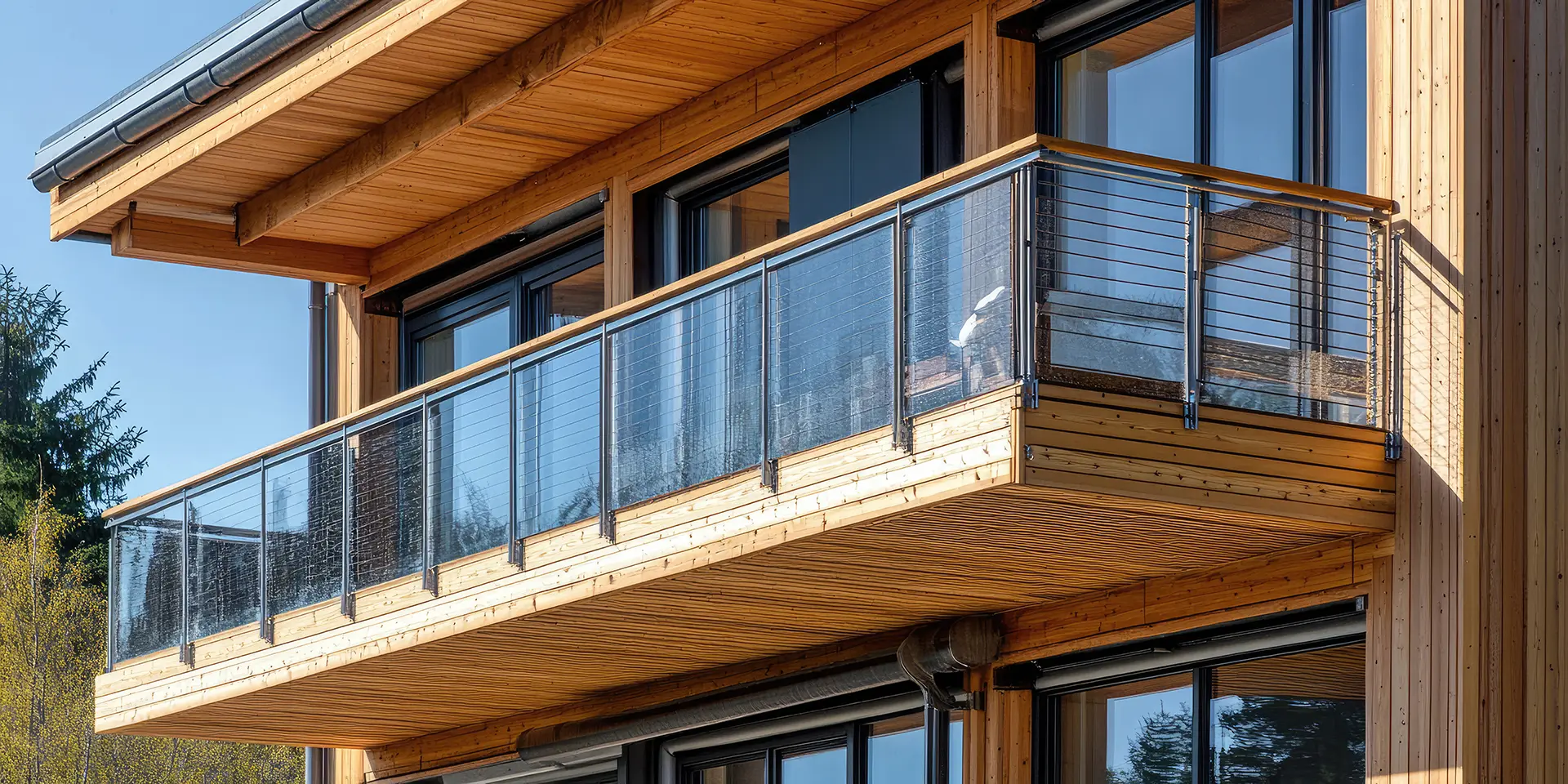
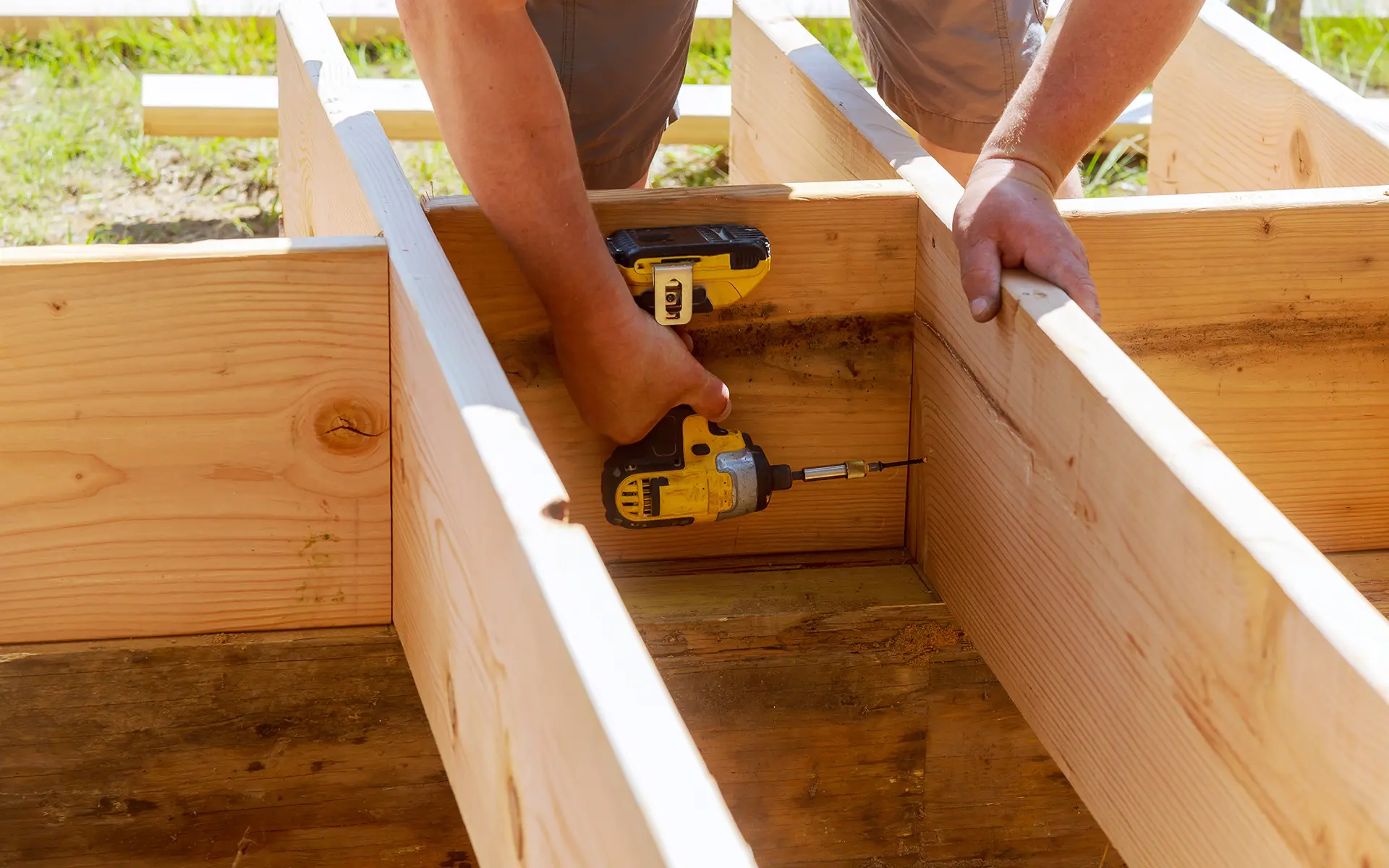
Cantilevered joists are often used to support balconies, decks and enclosed spaces. Each situation has different criteria for the joists, so you need to know what should be used where.
We continue our series on timber deck construction by looking at the requirements for slatted decking. Grooved timber boards are generally used, but sustainable composite material is also available.
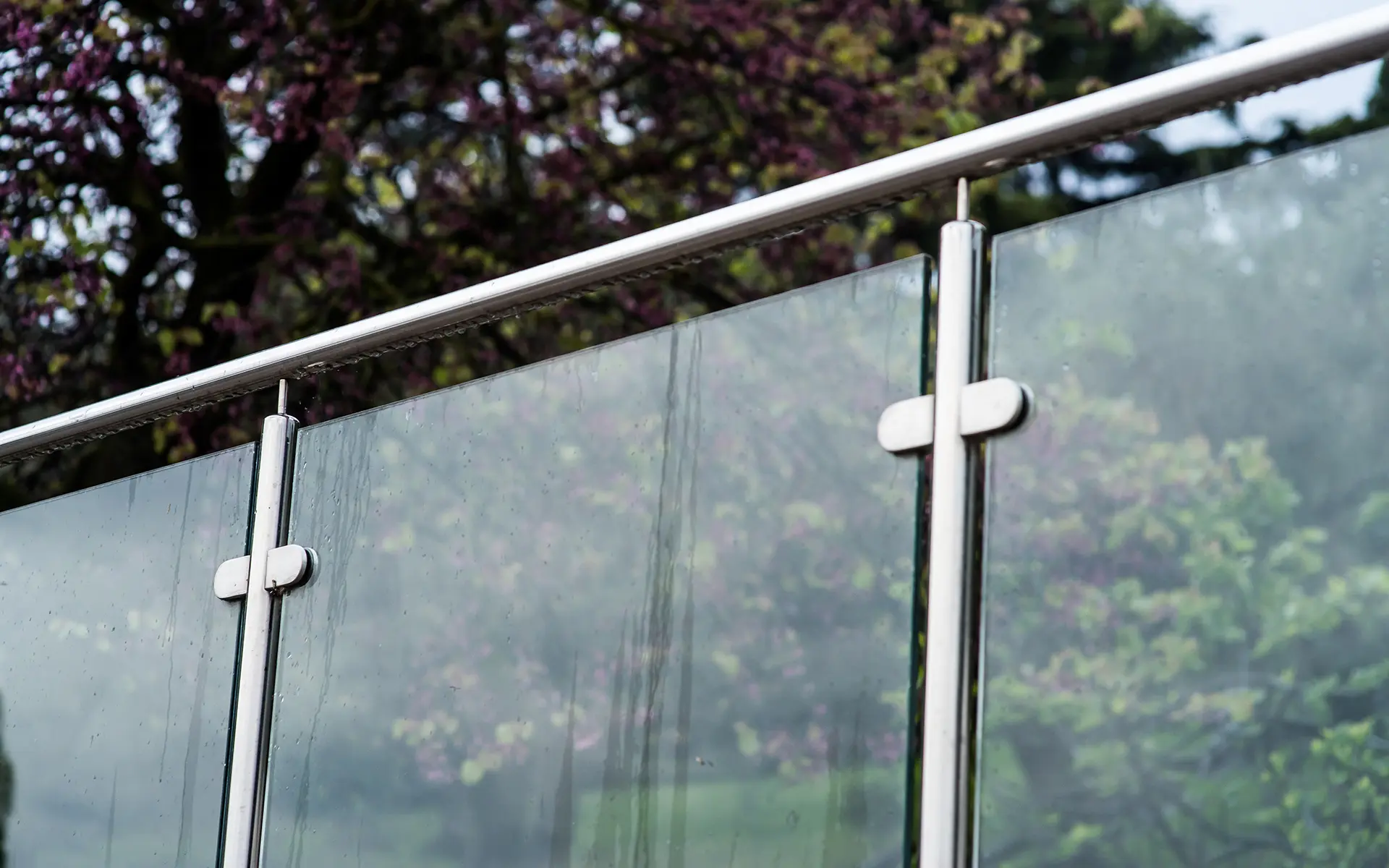
Where it’s possible to fall 1.0 m or more from a deck, the Building Code requires a barrier able to withstand all imposed, wind and impact loads. We look at some options.
In some situations a free-standing deck or platform may be a simpler solution than an attached deck. Although the design requirements for both are generally the same, there are some differences to consider.
Deck drainage relies on several crucial design and construction requirements for effective performance. In this article, we focus on the key requirements for decks up to 40 m2 in size.
NZS 3604 provides design parameters for deck design for 2.0 kPa floor loadings. However, the designer must consider the load that a deck or balcony may potentially carry and, if it is likely to exceed this loading, the design parameters should be increased accordingly.
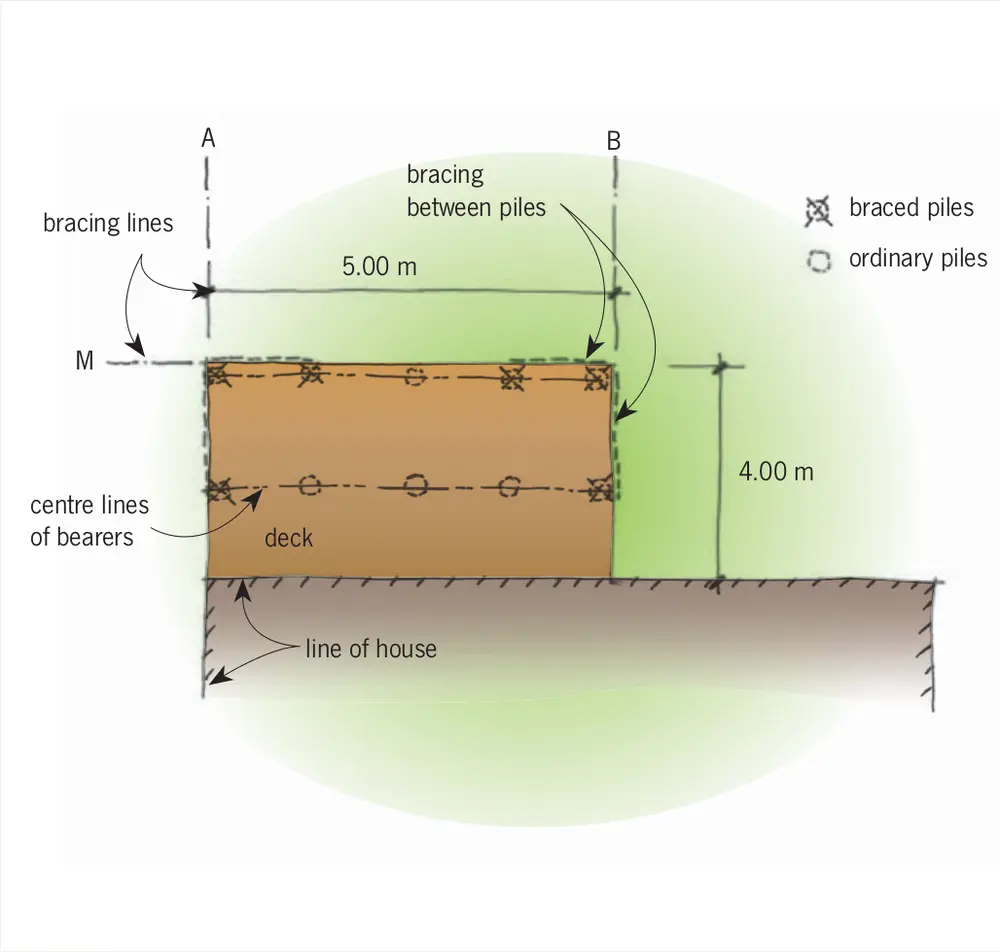
NZS 3604:2011 Timber-framed buildings provides an Acceptable Solution for deck construction. We step you through the process of using it to design an external open-slatted timber deck.
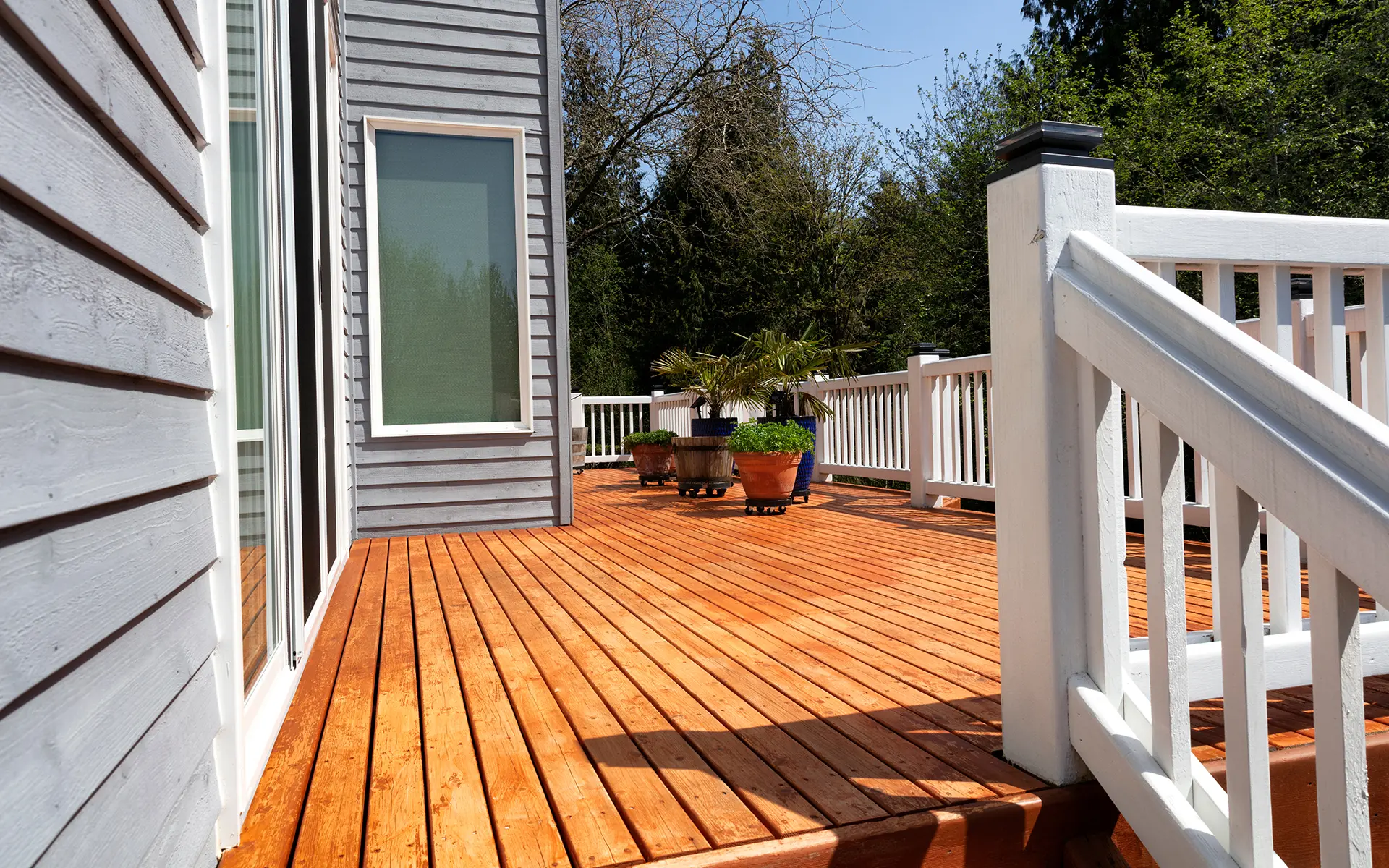
This construction sequence works through the detail for attaching a slatted timber deck to a building with a suspended timber floor and an aluminium sliding door opening onto the deck. The building cladding is bevel-back weatherboards fixed over a cavity.
Exposed to the elements, timber decks frequently need repairs to stay looking good and remain safe to use. Regular maintenance may include replacing rotten boards, fixing nails that have popped and removing moss and mould.
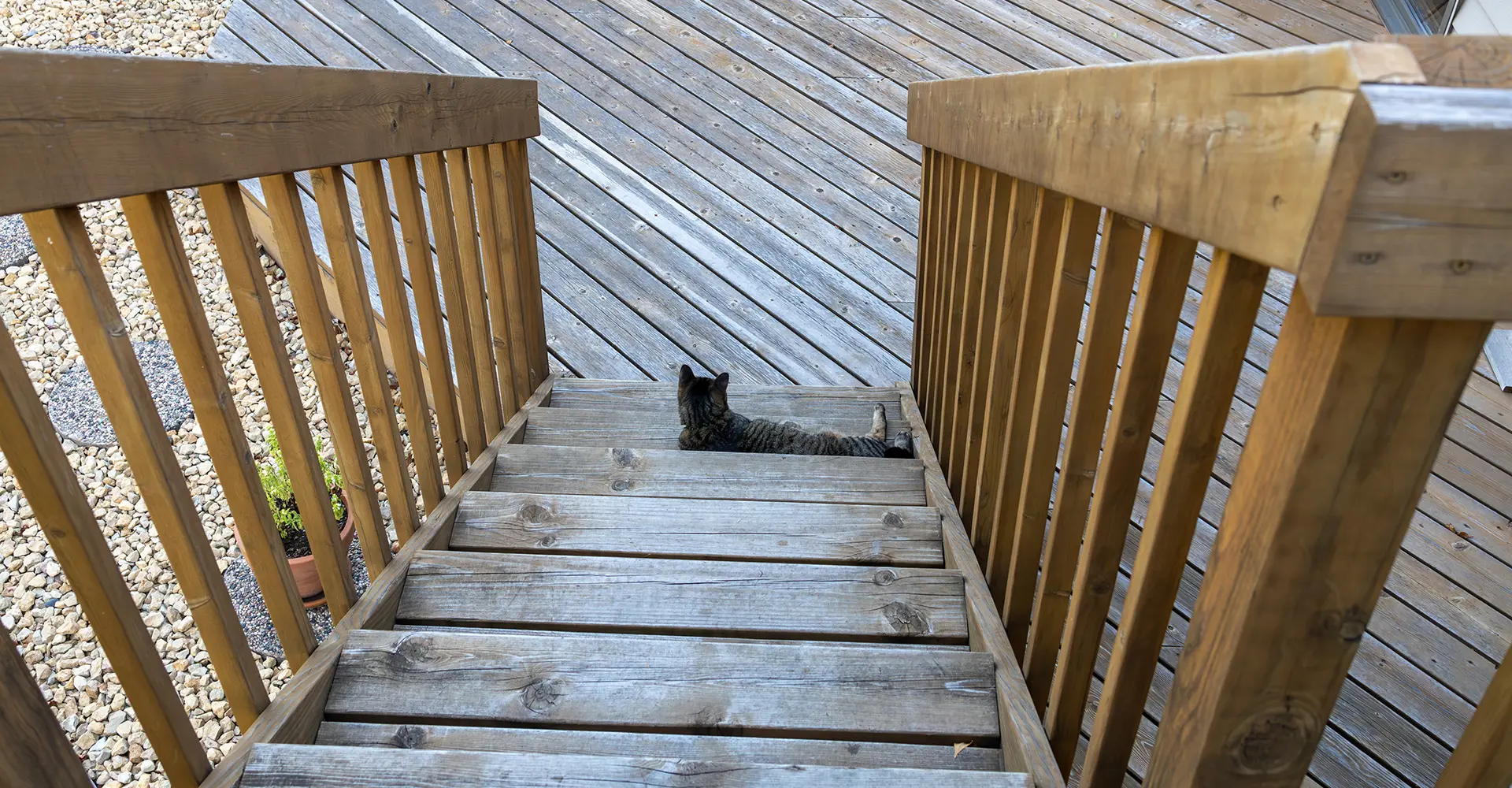
External timber steps can feel a bit wobbly or springy, especially as they get wider. We review the design rules and offer some ideas for building strong stairs.
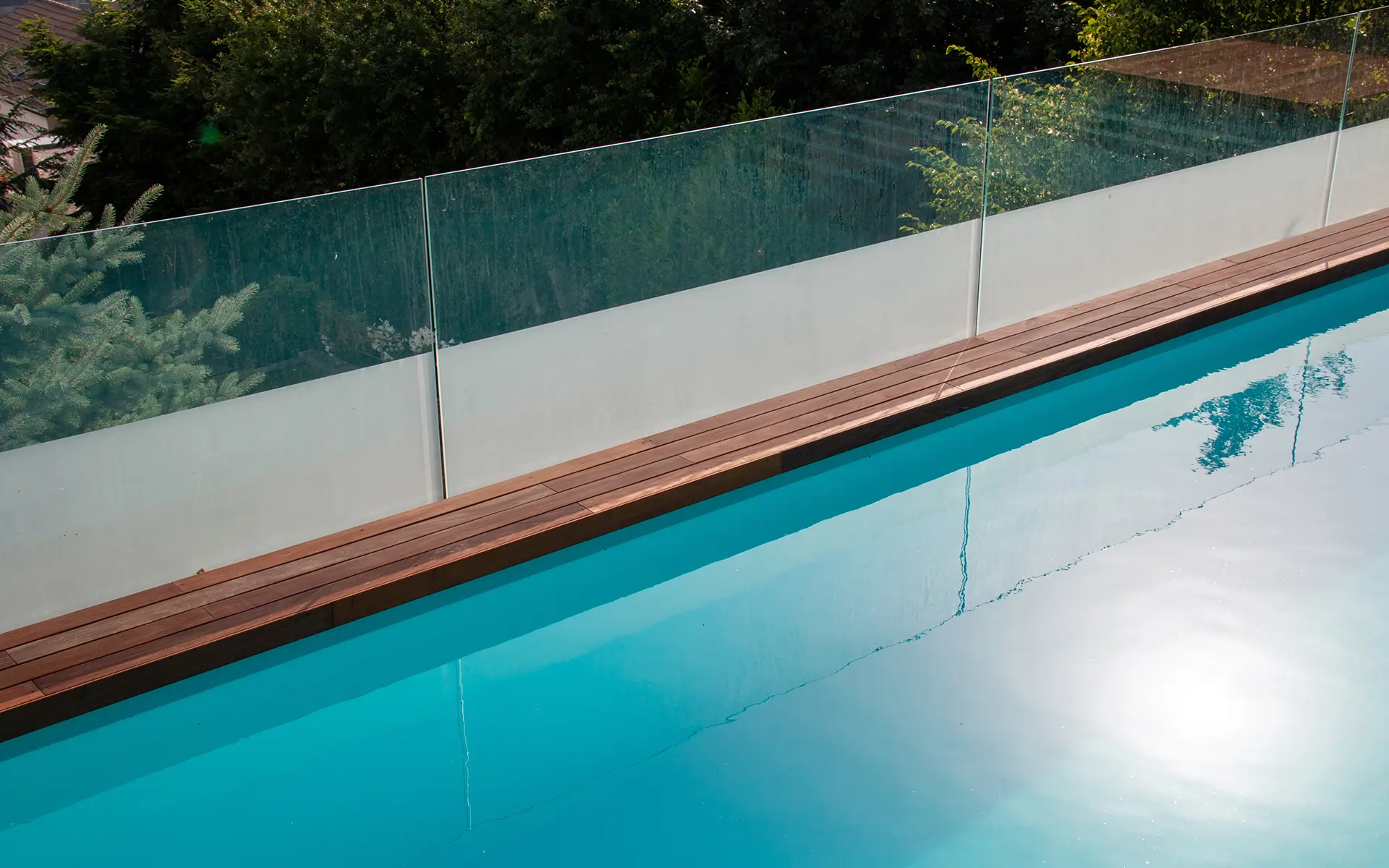
Strict regulations ensure the safety of children around swimming pools by requiring the installation of suitable barriers and restricting access. We look at the requirements and where to find them.