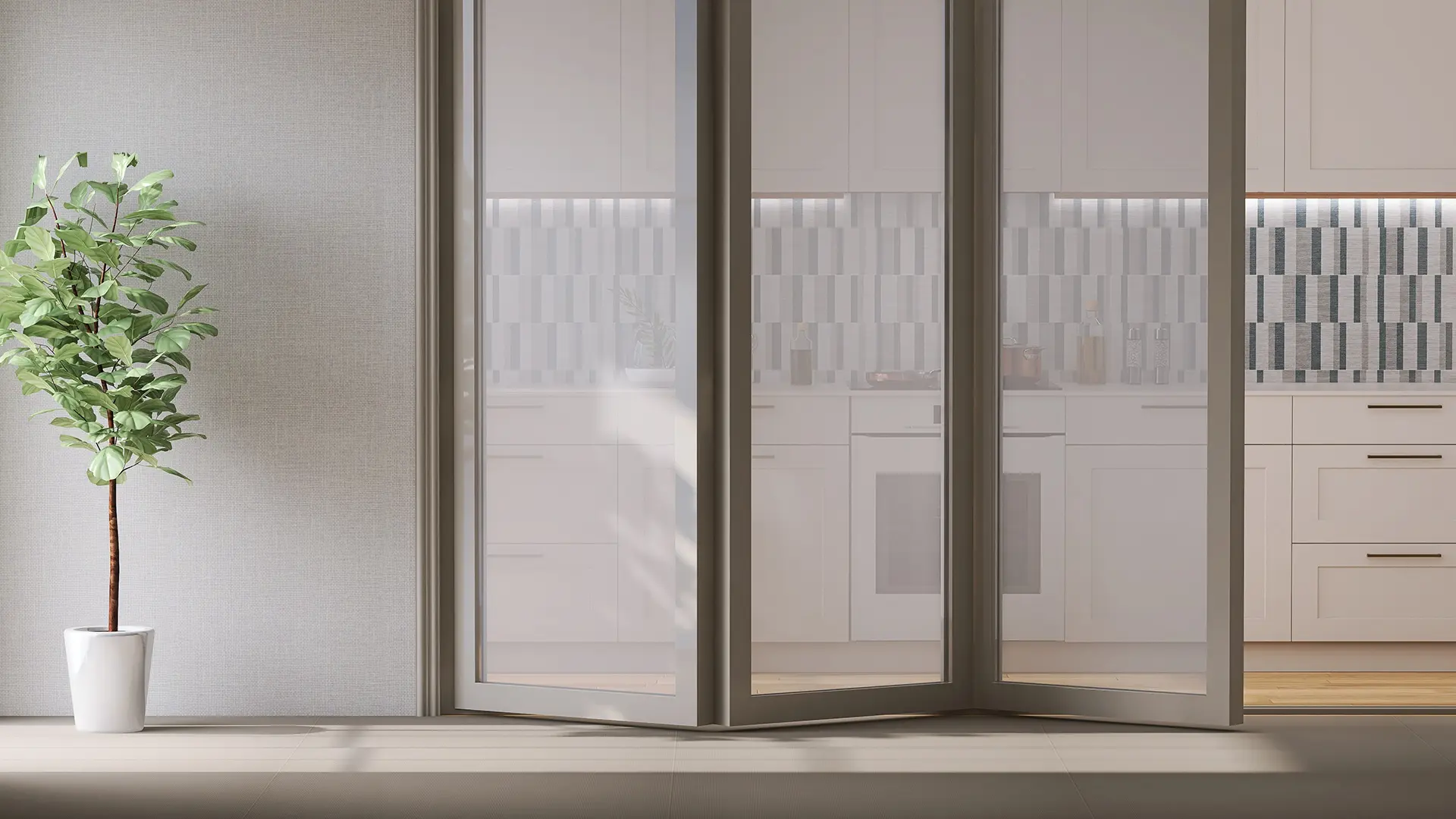
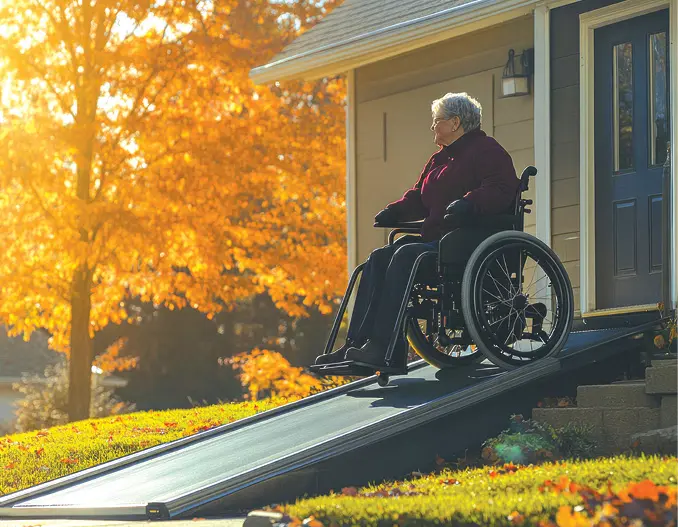
Level threshold access to a home can provide an appealing indoor/outdoor flow and accessibility for all, but how do you achieve this while ensuring weathertightness?
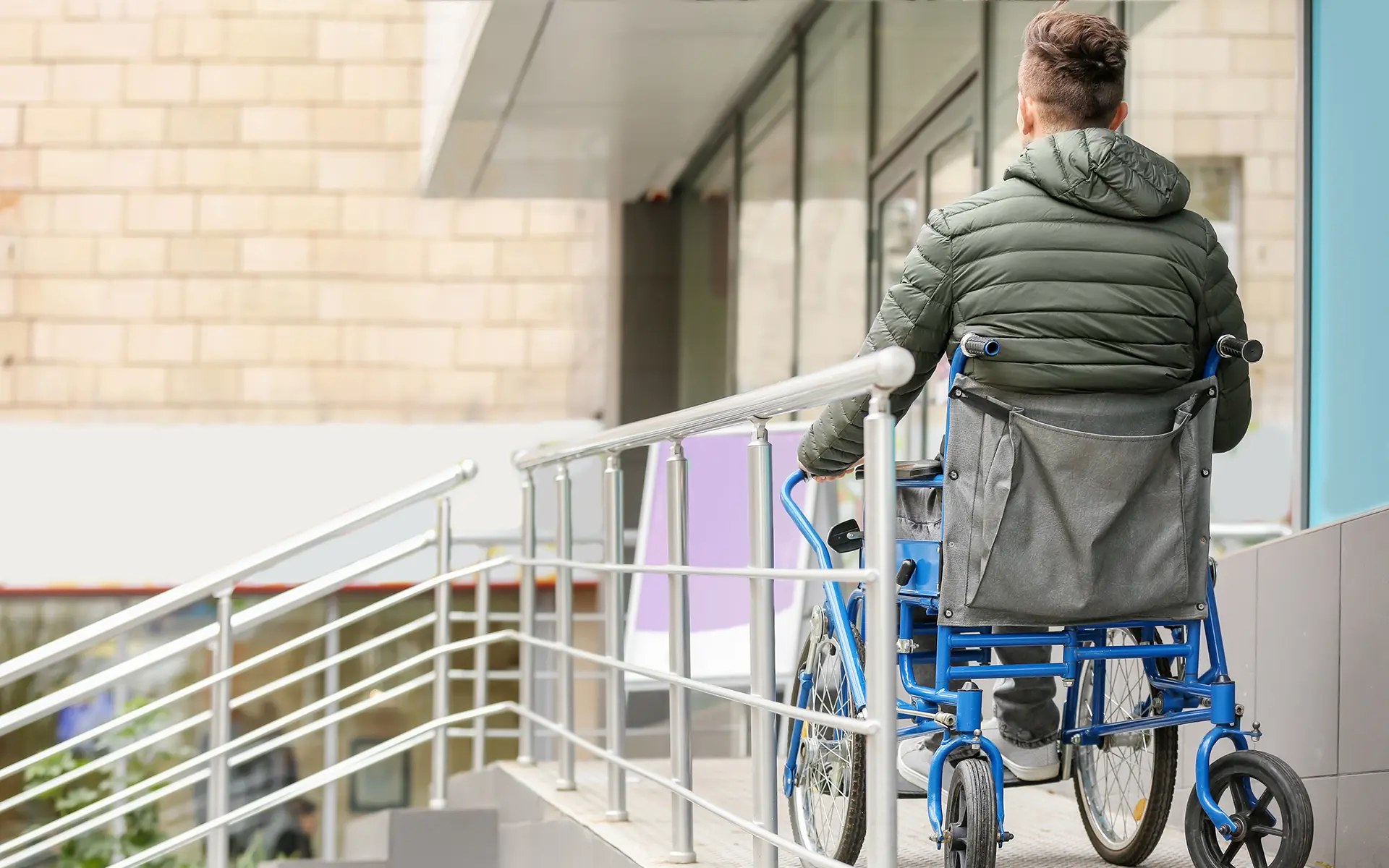
All buildings accessed by the public must have an ‘accessible route’ which is usable by people with disabilities. With an ageing population, designing houses to be universally accessible makes sense as well.
The design and specification of multi-storey housing can have a huge impact on how quickly occupants can evacuate in a fire. Evacuation can be especially difficult for disabled and elderly residents. Good design practice is likely to require going beyond current minimum requirements.
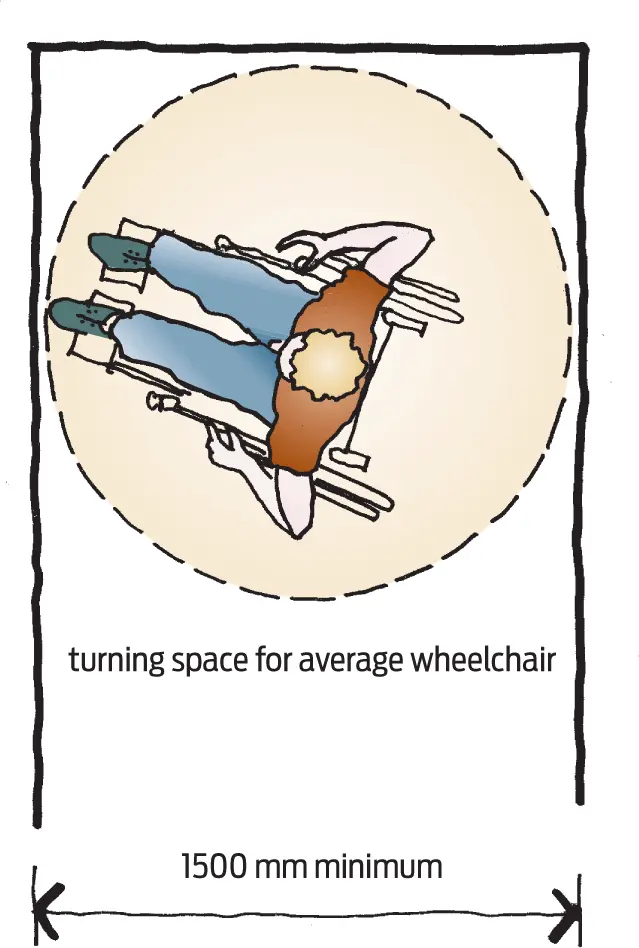
Open-plan living areas make life easier for people using wheelchairs. We continue our Build accessible design series with practical design advice for houses where stairs and hallways can’t be avoided.
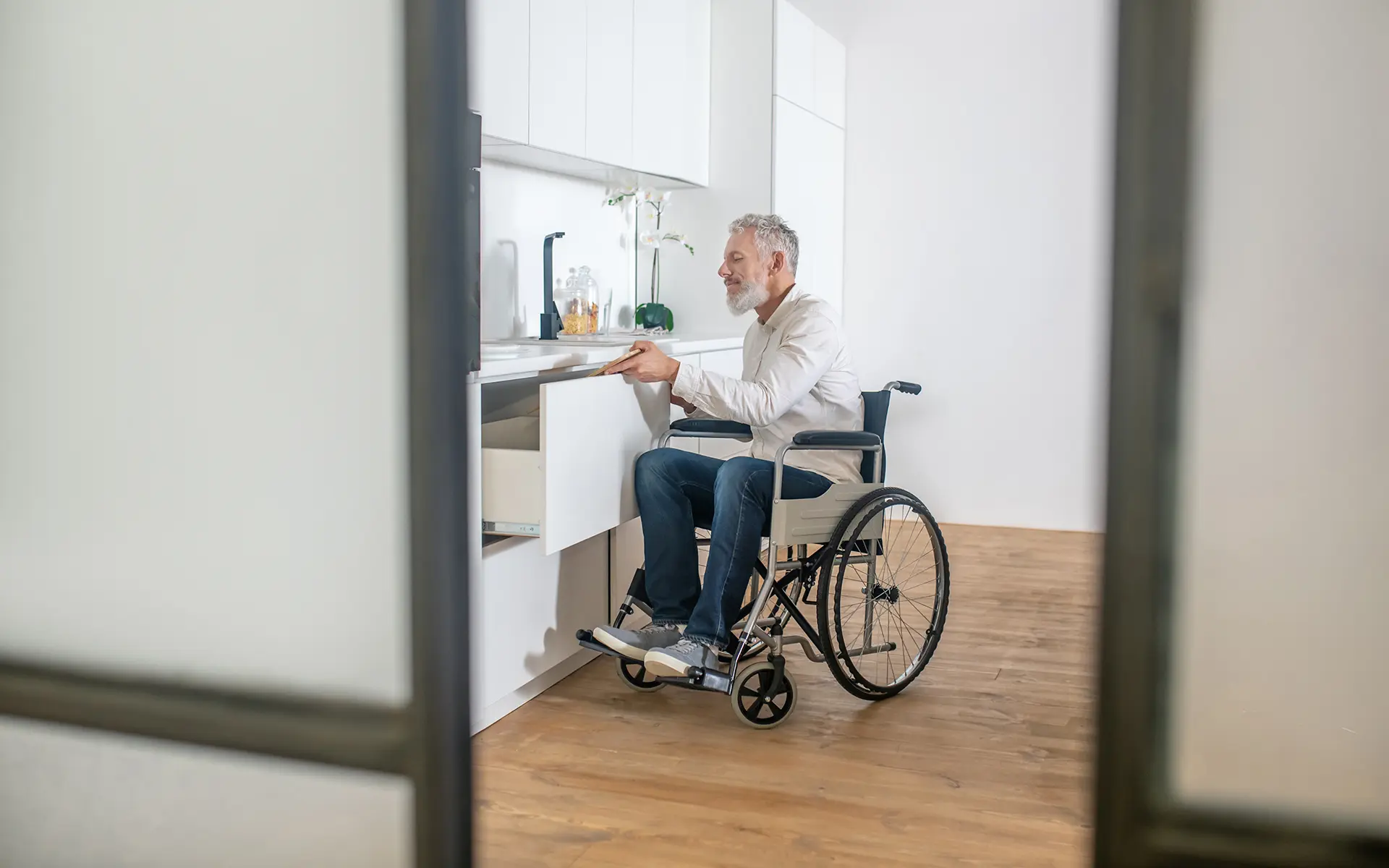
Kitchens, along with bathrooms and laundries, comprise a home’s wet areas and need thoughtful design to make them easily accessible for both the able bodied and disabled.
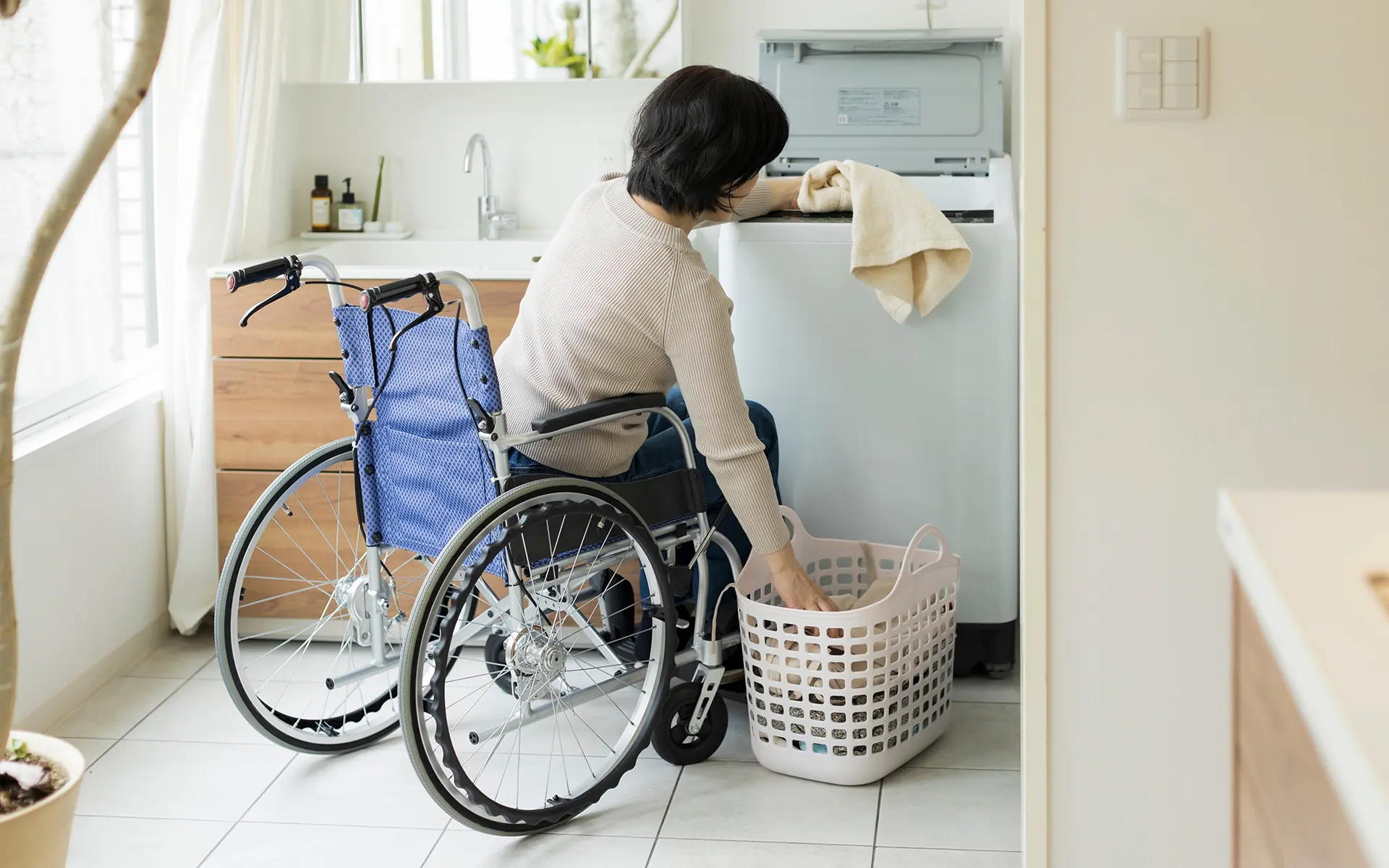
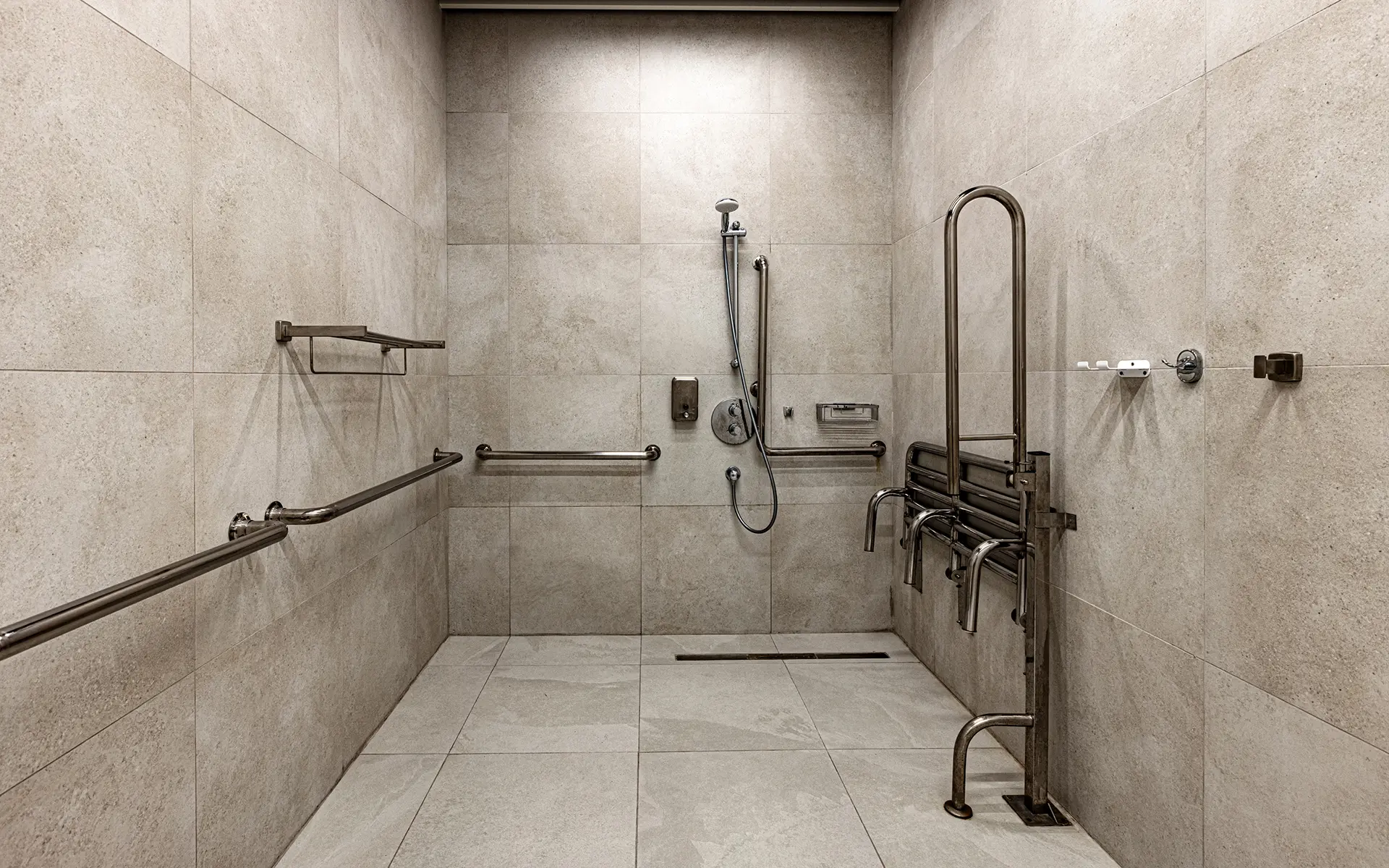
By including universal design in new builds or retrofits, homes can remain functional as the occupants’ physical abilities change. We begin this new series by looking at accessible design in bathrooms and laundries.
Quality of life for the growing number of older New Zealanders living with dementia is significantly affected by the daylight environment in their homes. New Levy-funded research, using a methodology developed by a BRANZ Scholarship recipient, will inform practical design and retrofit guidelines.
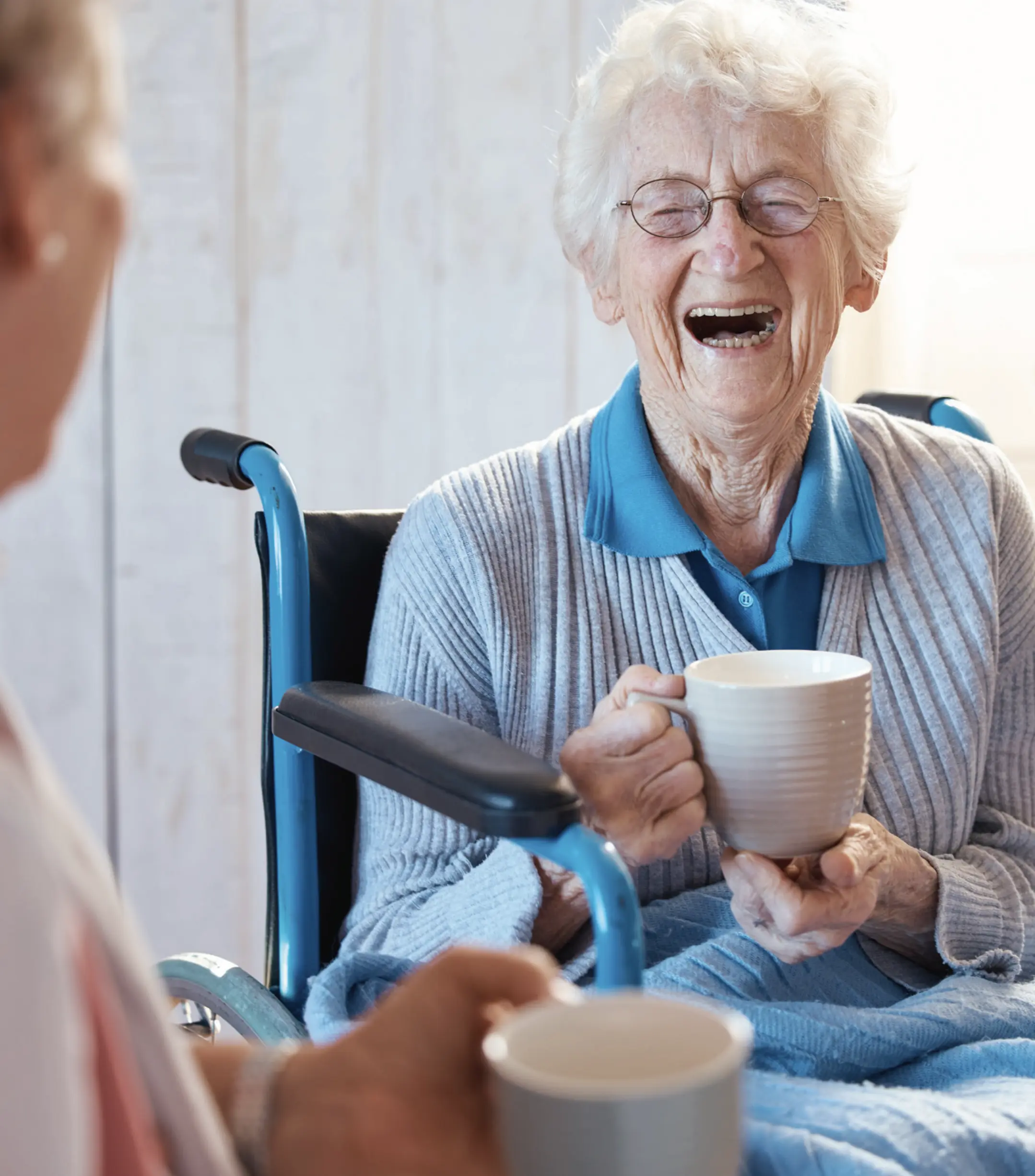
For most of us, the word 'home' means a place of comfort, a refuge, a place where we can be ourselves and relax. For people with disabilities or those growing older,...
This report provides an integrated analysis of data arising from a BRANZ Levy-funded research project into universal design housing. The three data sets are:33 interviews with householders who were living...
Accessibility of basic sanitary amenities, like toilets, is the focus of the Accessibility to commercial buildings’ sanitary facilities research project. Building on earlier research, the work looks at people’s expectations...
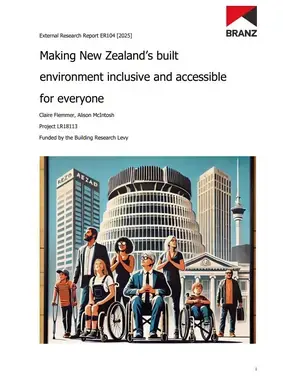
Accessibility to public places continues to be a challenge for many people in Aotearoa New Zealand, despite previous attempts to improve this aspect of our built environment. The project took...
This project addresses three interrelated issues in the New Zealand context of accessible means of building egress:Egressibility.Demographic, technological and social trends.Lack of sufficiently nuanced building user characteristics data and other...
There is little quality data available surrounding the emergency building egress characteristics of the New Zealand population. What is available is not well defined, in terms of holistic metrics of...