Nick Sterling, Head of Construction at Callaghan Innovation, argues that, by harnessing disruptive new technologies, our construction industry could be transformed.
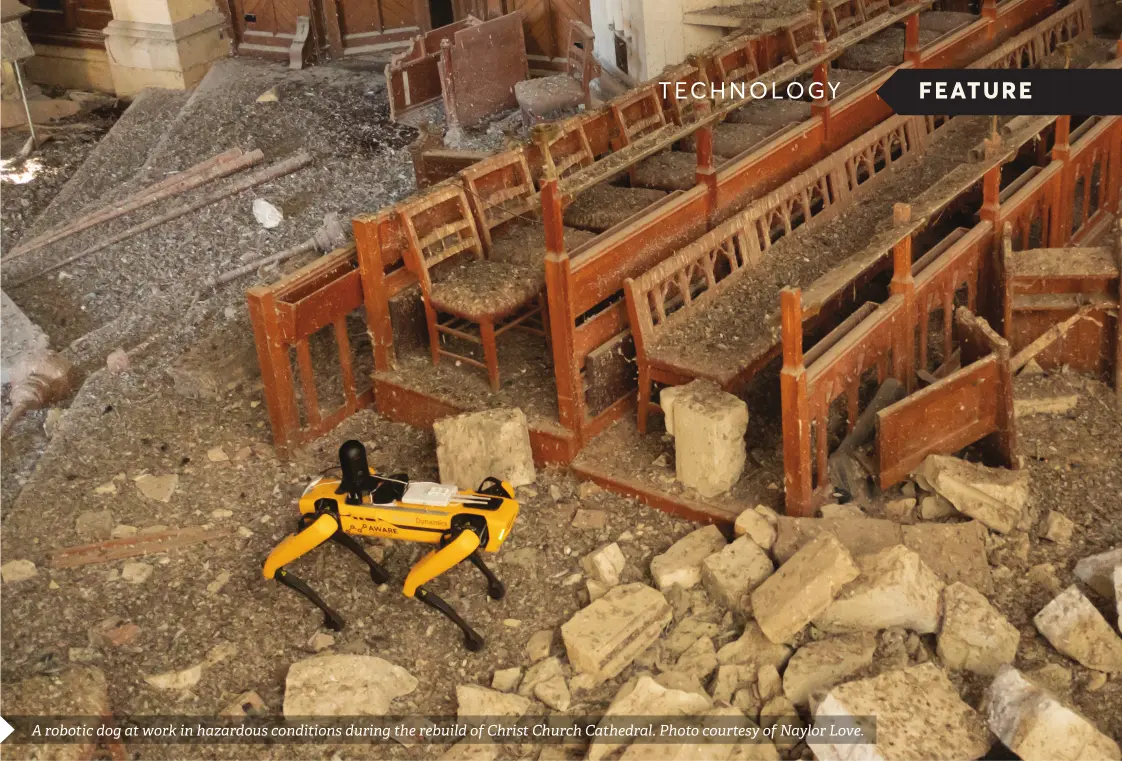
In this first of a two-part series, the question is will robotic dogs and databots revolutionise our construction sector? Massey University is finding out.
Robots that look like something out of Dr Who are just one of many new technologies being developed for the construction industry. While the potential on offer is enormous, it is not just a matter of plug in and switch on.
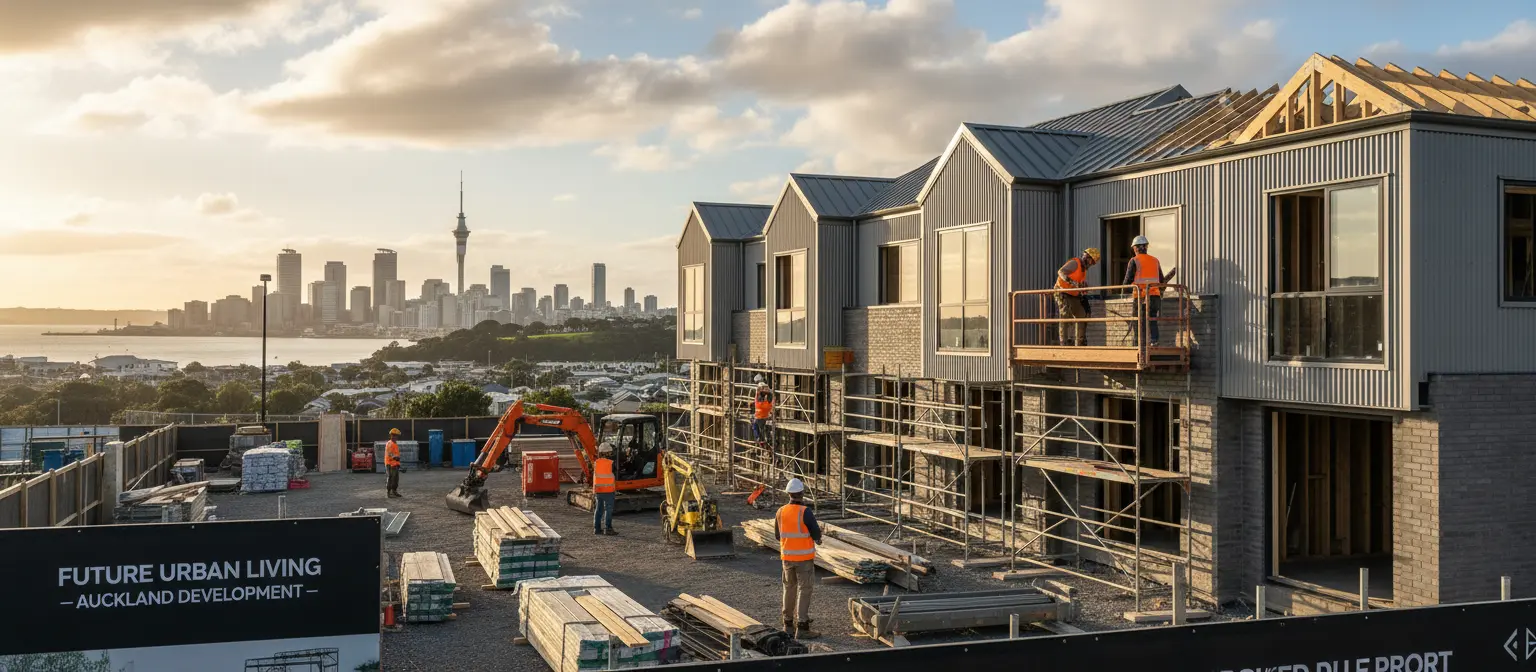
Using new technologies isn’t limited to company size – both large and small companies can take advantage of the many innovative technologies now available to improve performance.
Construction sectors globally are being told that they must adopt modern methods and technologies to survive and thrive. This is a direction Aotearoa New Zealand’s own industry is heading in – adopting global best practice and developing our own innovative solutions.
The CCANZ Research Roadmap project has canvassed the opinions of a number of senior practitioners in the cement and concrete sector and from a wide range of stakeholders through use...
Improving innovation in the construction industry has been a continued area of interest for practitioners in the construction industry. SCIRT is an organisation established under an alliance agreement and was...
This research project emerged from a BRANZ workshop in 2015 - Beyond The Seen. Our research sought to identify new and emerging business models in the construction industry with a...
New Zealand’s priorities of smart growth for the construction sector includes more high-quality housing to meet the rising demand, improving productivity, increased building information modelling uptake and online systems for...
Product Description Over half of the two million or so houses built in the United States each year are built partially or entirely in a factory. Could this approach to...
Increasing the adoption of new building materials and products is key to achieving Aotearoa New Zealand’s greenhouse gas emissions targets as well as improving productivity. However, using tried and tested...
This report investigates the implications of moving to panellised off-site construction for New Zealand’s residential construction industry. The report draws on extensive international literature reviews, industry interactions and findings from...
The Advanced Residential Construction Techniques (ARCT) project is a 2-year Building Research Levy-funded piece of work. The project aims to inform and inspire actors within and around the New Zealand...
This report aimed to develop and market test specific targeted advice aimed at the interaction point between volume home builders and home buyers with the intention to highlight higher-performance options...
The purpose of this study was to complete a literature review of the economic assessment of the costs, benefits and methods for the construction of houses that are designed and...
BRANZ CEO Claire Falck says it’s clear the industry would like BRANZ to take a stand on impactful issues such as housing affordability, based on our independent scientific expertise, so that’s what we are doing.
BRANZ Chair Nigel Smith is more convinced than ever of the benefits of collaboration and systems thinking when it comes to transforming building performance.
While writing this column in early December with the holiday season yet to begin and this issue of Build not released until early February, BRANZ CEO Claire Falck says her hope is that all our readers enjoyed a refreshing and relaxing break after what was a very challenging 2023 for many.
David Kelly, Chief Executive Officer of Registered Master Builders, says that resilience is what will get the building industry through the impact of COVID-19.
A Free Trade Agreement signed between India and Aotearoa New Zealand promises to help relieve the shortage of skilled workers in the construction sector and deliver access to lower cost building materials.
This article is provided by authors at Dentons Kensington Swan.
Product Description This report is the culmination of a number of projects and additional primary research into the questions of industry and sub-industry level productivity measures and performance measures. It...
This report explores the feasibility of implementing a building pathology approach to monitoring building defects in New Zealand. The focus of this research is on residential buildings.This research focuses on...
This is the first in a series of reports prepared during research into small building industry firms. It reports on the type of work done by industry firms, who their...
This is the eighth in a series of reports on construction industry productivity.The first report was a general review of construction industry productivity and how to measure it (SR219).The second...
This study draws on firm-level data from the Longitudinal Business Database to examine productivity in the New Zealand construction industry. It finds that, over the period 2001-2012, on average, labour...
This guide is designed to support the creation, ownership and administration of a construction sector performance measurement system. It sets out a framework for performance measurement in simple terms, despite...
The purpose of this study is developing a better understanding of measures related to productivity for achieving sustained growth.Given that there is no agreed set of systemic measures across the...
While this issue of Build is focused on resilience in the built environment, it got her thinking about the role resilience plays in our lives as human beings and the similarities between the two, says BRANZ Acting CEO Claire Falck.
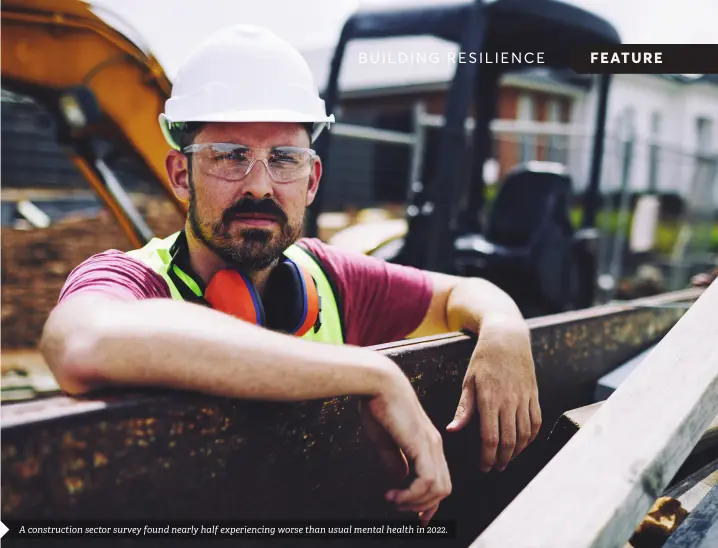
As the covid-19 pandemic fades into the background, mental health challenges such as employee burnout are left in its wake. By addressing these challenges now, organisations will have the added benefit of building resilience of both employees and businesses against future disruptions.
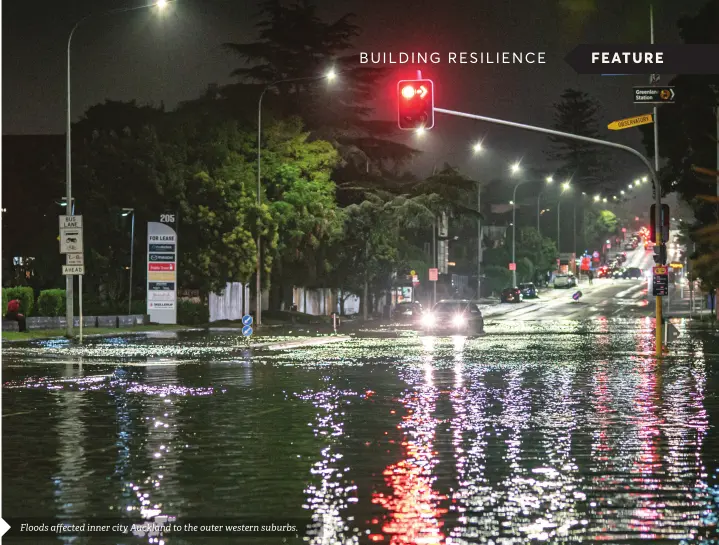
What happens to communities that are impacted by serious floods? Researchers looked at the Henderson Valley community to see how it coped and found it resilient and well prepared for future floods but unsure of some of its responsibilities and in need of better communication with the local council.
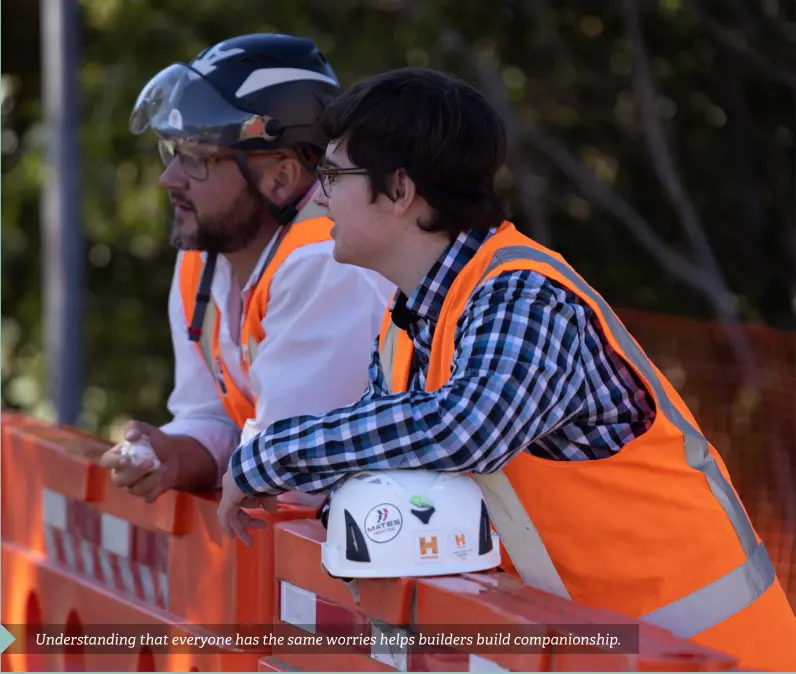
The construction sector suffers devastatingly high suicide rates among its workers. MATES in Construction supports their wellbeing by encouraging conversations about mental health and by emphasising the value of companionship and understanding.
With its relentless deadlines, material shortages and critical labour issues, the crucial importance of resilience for the construction industry has become acutely apparent. A global authority on resilience and author of the TED talk The Three Secrets of Resilient People tells Build how to deal with the stresses the industry imposes.
New research will discover how investing in resilient, adaptable homes can deliver long-term affordability, reduce climate risks and create lasting value for homeowners and communities across Aotearoa New Zealand.
This report presents an examination of literature surrounding the relationship between occupant wellbeing and the built environment. This review aims to understand how wellbeing is defined, the current policy framework...
This report is an evaluation of changes in the incidence of health events, pharmaceutical usage and mortality following installation in 44,889 homes of one of three companies’ mechanised residential ventilation...
Product Description The construction industry has the highest proportion of suicides across all industries in New Zealand. To date, there has been no research in New Zealand investigating the factors...
Understanding the psychosocial stressors of an industry or workplace is vital for developing solutions to mitigate their adverse effects on mental health.This research provides a comprehensive exploration of the perceptions...
This research, funded by Build Research Levy and supported by MATES New Zealand, aimed to refine the definition of the construction industry, clarify its prevalence of suicide and calculate industry...
This bespoke research and report represents a beginning in terms of investigating indoor climates that children in the Growing Up in New Zealand cohort experience on a daily basis.
This report summarises the methodology for a research project aimed at determining how healthy New Zealand office buildings are and what physical factors contribute to their health performance.Preliminary New Zealand...