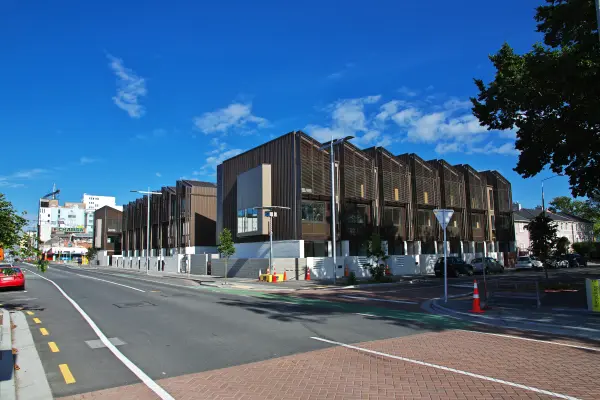
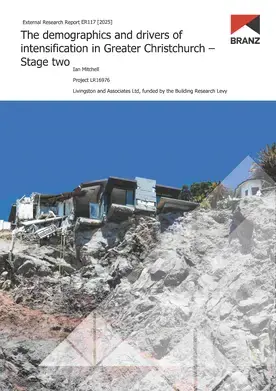
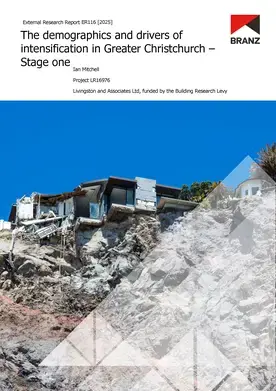
In the aftermath of the earthquakes that devastated areas of Christchurch in 2010 and 2011, the city faced the monumental challenge of demolishing and rebuilding approximately 70% of the buildings in the central city.
Te Hotonga Hapori – Connecting Communities is a research programme exploring the relationship between urban redevelopment and community wellbeing. Its overarching purpose is to provide evidence that can be used...
With weather disasters becoming more frequent, overheating, flooding and growing stresses in everyday life, can the design of our homes and communities provide relief? Research shows the answer is a resounding yes.
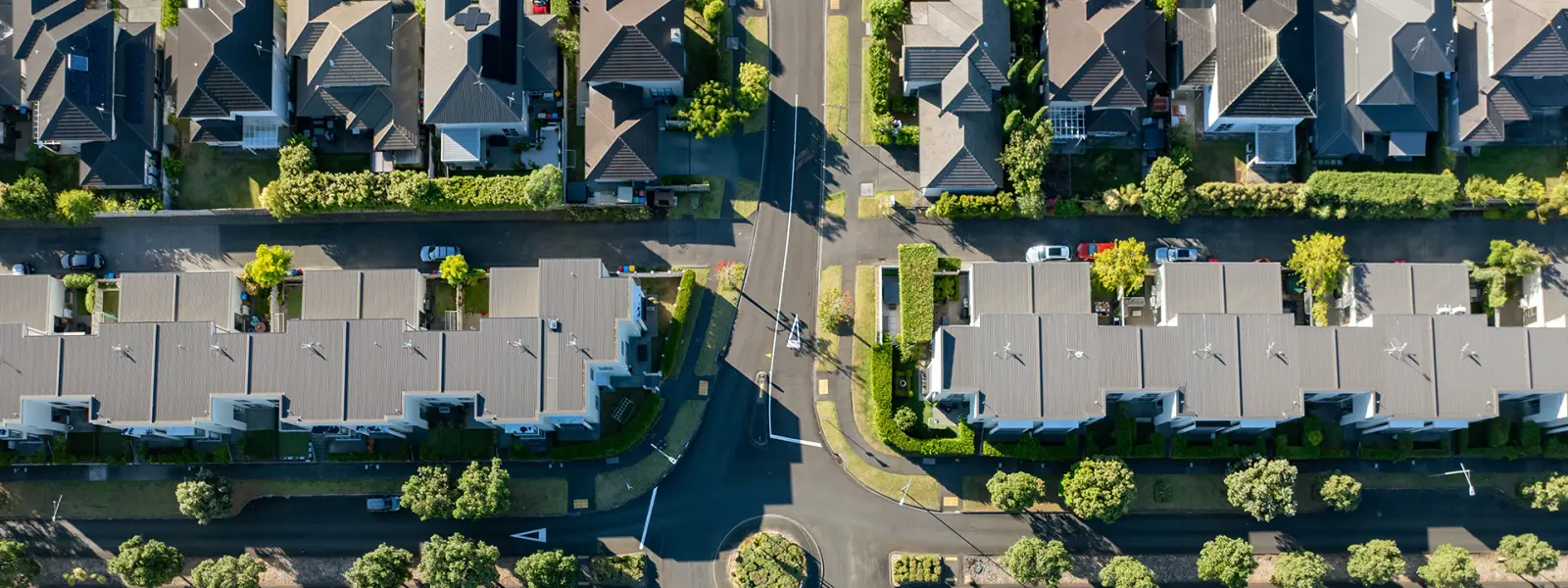
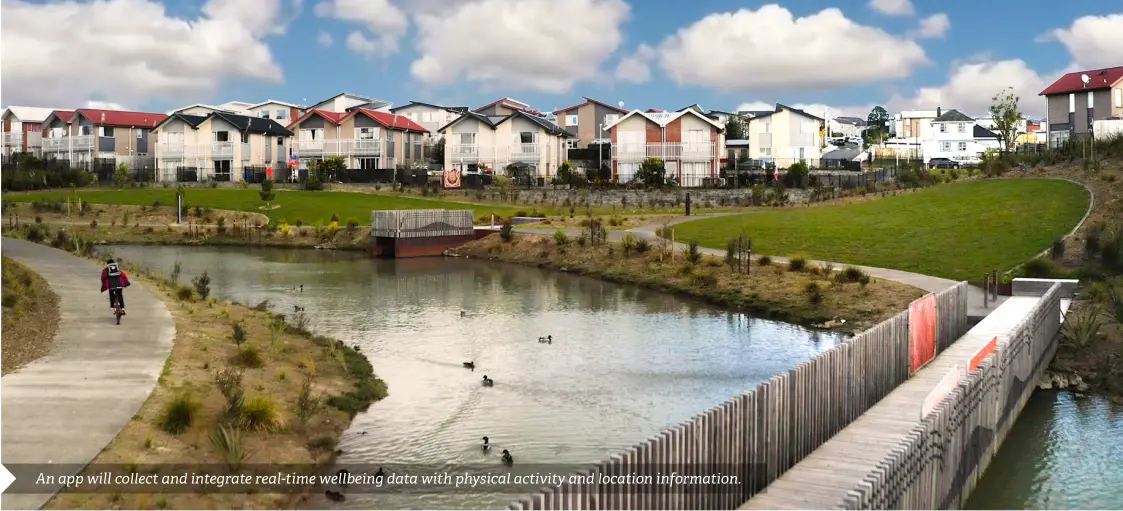
The legislative changes requiring dispersed medium-density housing in our major cities will not deliver the compact urban centres we should be aiming for. The ideal is higher-density developments, dotted with open green spaces, which enhance wellbeing and provide living environments that are accessible and communal.
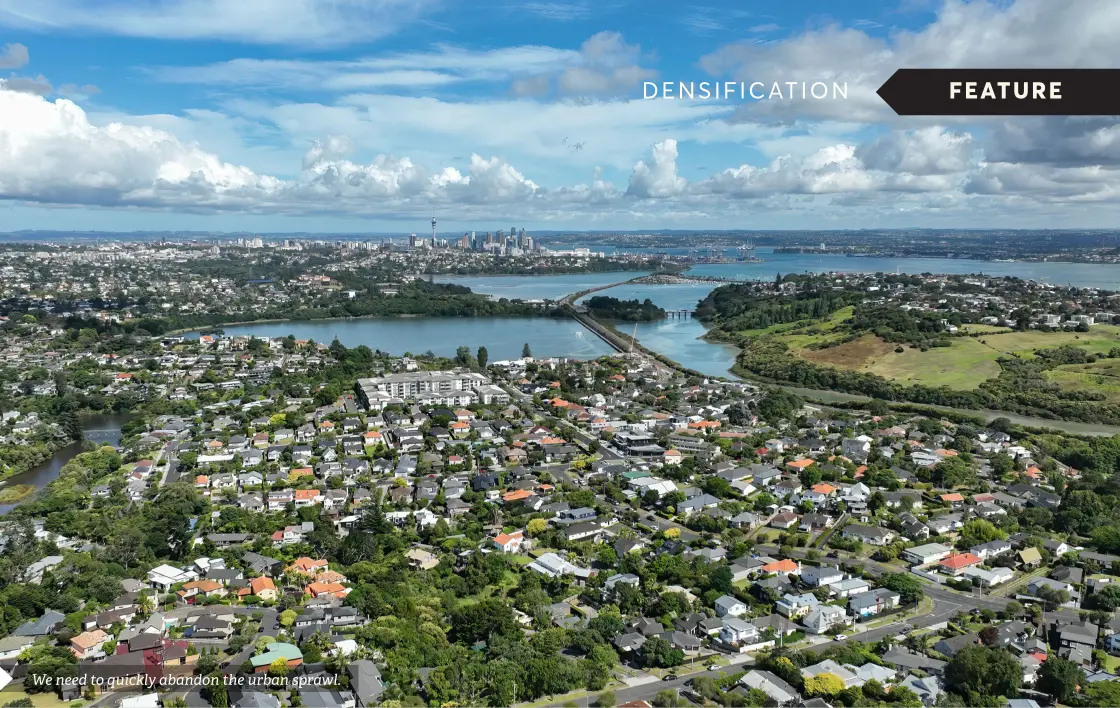
Is urbanisation delivering the design quality that supports the health and wellbeing of our communities? And how should we move forward under increasing pressures, including extreme weather events? Taking Auckland as an example, we can check how we’re going.
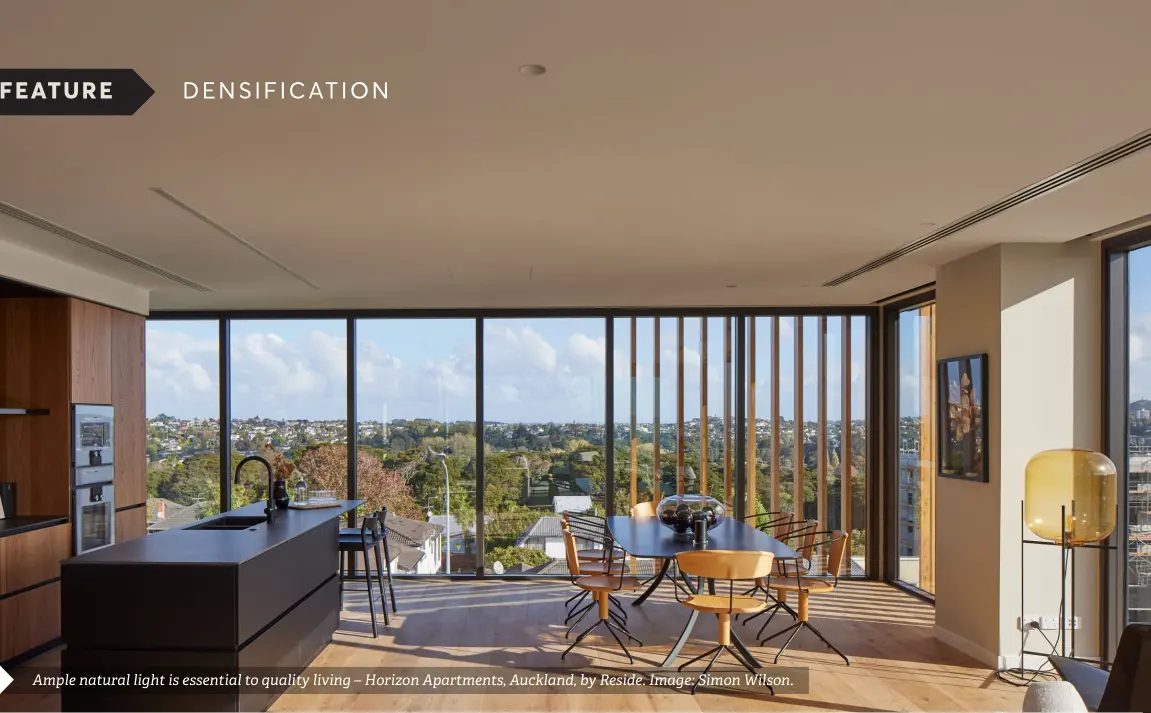
The move to greater densification of our towns and cities will bring about the biggest lifestyle changes in a century, with smaller homes and less use of private cars but more vibrant communities. While some are fighting the change, a growing body of evidence suggests it is the only option we have for an affordable, low-carbon future.
Nature is showing us that the sprawling, traffic-friendly cities and towns we live in are no longer good for us or the planet. It is past time for Aotearoa New Zealand to get moving and deliver the higher-density housing that will cut our carbon emissions.
Mixed-use development is often perceived as the path towards a sustainable city by encouraging more sustainable travel behaviour and lowering car dependency. In this study, different aspects of mixed-use development...
On 4 September 2010 a significant earthquake measuring 7.1 on the Richter scale struck the Canterbury region of the South Island of New Zealand, causing significant loss of life and...
Urban development authorities (UDAs) have the potential to be a valuable policy tool to assist in achieving a range of improved urban outcomes. The aim of this research is to...
Cities need new solutions if they are to carry on growing whilst also improving their liveability. A large part of this is the provision of transportation capacity within a city....
Aotearoa New Zealand households are constantly evolving. The number of people living in a dwelling, the types of homes we live in and the number of cars for each household...
Aotearoa New Zealand households are constantly evolving. The number of people living in a dwelling, the types of homes we live in and the number of cars for each household...
The report highlights the need for careful policy implementation and industry adaptation to ensure the successful integration of medium-density housing into Auckland’s and Aotearoa New Zealand’s urban landscape.
Product Description This report presents the first of a series of case studies based on the Auckland Atlas of Construction, which was developed in the Building Research Levy-funded research project...
This report describes some aspects of the Auckland Plan related to zoning and the effect on new housing. It was produced because it is believed new housing types in Auckland...