


Our materials research capabilities
We study how New Zealand’s building materials perform in practice and how that performance aligns with the New Zealand Building Code. We build evidence and develop methodologies by:
- testing to predict materials performance under expected service conditions
- understanding durability at both macro and micro levels
- developing and monitoring exposure sites across New Zealand to understand how location affects material durability.
Real-world testing across New Zealand
To complement lab work, we have approximately 20 active exposure sites from Northland to Invercargill, including on the Chatham Islands. These sites let us track how materials age, corrode and perform over time when exposed to the elements.
We test in places with:
- salt-laden coastal winds to see how metals handle corrosion
- geothermal emissions to understand performance under sulphur-containing gases
- extreme UV and weather conditions unique to New Zealand
- volcanic gas and ash (a focus of our Rotorua Geothermal Field collaboration with Massey University).
Significant past and present work
BRANZ has undertaken significant past and present research to generate evidence on material and system performance, including:
- long-term durability studies of materials and components
- performance of wall, roof and flooring systems in New Zealand conditions
- moisture movement and material interactions
- evidence to inform material selection, design details and good-practice guidance.
Looking for more information about our materials research projects?
Impact of our materials research
Together, this testing and monitoring provides evidence that helps industry, regulators and product manufacturers make better decisions grounded in data.
Our work shows how materials perform in real-world situations. It can:
- identify risks early
- reduce unintended consequences
- support safer, more durable and more resilient buildings.
One example of this impact is how our findings have informed durability guidance.
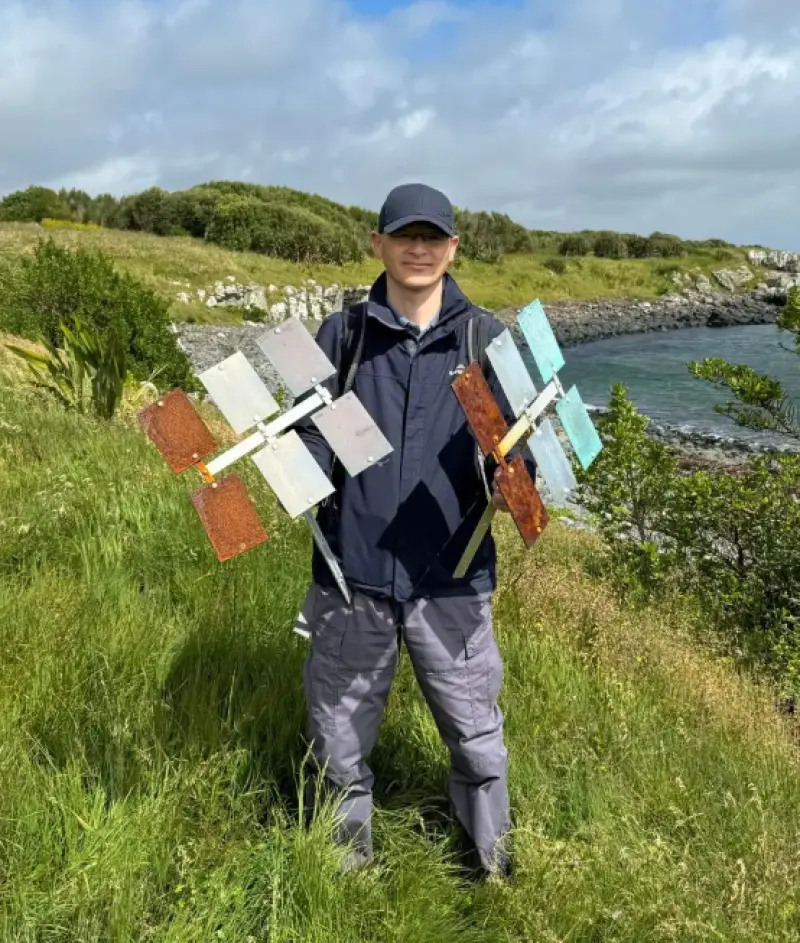
Case study: Reshaping durability guidance
In 2025, BRANZ research led by Dr Zhengwei Li found that materials in extreme marine environments can corrode far faster than existing standards predicted, reshaping durability guidance used to meet Building Code requirements.
Explore materials resources
Invitation to collaborate
BRANZ collaborates on research with domestic and international stakeholders throughout the building system. Collaborators include industry players, practitioners, building owners, government agencies, universities, public research organisations and international research organisations.
Find out how to partner with us to advance materials research in New Zealand and globally.
Learn more