A variety of New Zealand made Pinus radiata engineered wood products were tested in a cone calorimeter to determine key combustion properties, including time to ignition and heat release rate...
Passive fire protection (PFP) quality has been identified as an issue that must be addressed in buildings undergoing alterations in order to meet the New Zealand Building Code means of...
This is the final report of research into fire spread from lower roofs. This project is part of the larger BRANZ medium-density housing (MDH) research programme. As New Zealand building...
This report provides B-RISK users with guidance on the use and application of the fire modelling software as well as describing the assumptions and underlying physics upon which the computer...
A series of reduced-scale fire experiments have been conducted to better understand the phenomena of flames projected from a single compartment opening, which can lead to vertical fire spread up...
There are many benefits from a focus on quality in construction. At the practical level, there are fewer call-backs and more satisfied clients. Beyond that, higher-quality buildings deliver healthier environments for living and working. At the top level, they can be inspirational.
Extensive passive fire protection deficiencies have been identified in multi-unit residential buildings undergoing weather-tightness remediation work. The potential costs and delays associated with fixing these deficiencies to full code compliance...
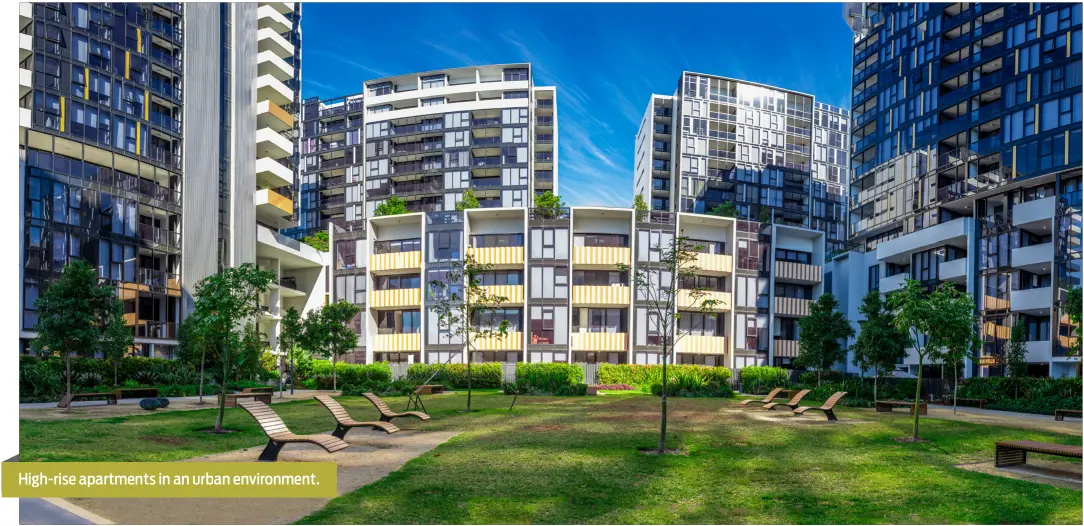
The distinct risks around fire presented by medium density developments have been highlighted as an important area of focus for the programme. A first piece of work in this space...
Recent international fires have raised concerns across the globe about the fire risks associated with combustible facades. This project investigated how the fire risk of combustible facade materials is managed...