

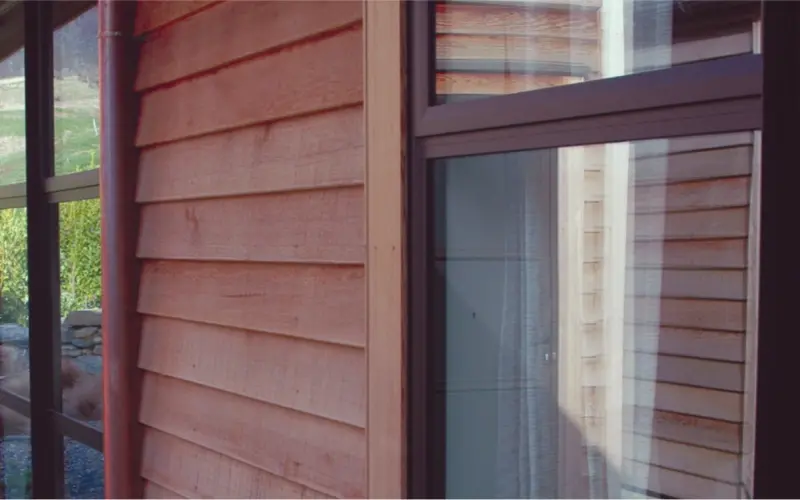


Selecting windows can be a complex process requiring consideration of many criteria including both initial and long-term cost, materials, finishes, weathertightness, thermal performance and aesthetic attributes.
The selection process is further complicated by the plethora of statutory requirements to be met, most of which, as far as windows are concerned, are scattered through numerous clauses of the New Zealand Building Code.
Design considerations
As well as statutory requirements that tend to state minimum levels of compliance, the designer needs to consider other factors such as:
- location on the building
- orientation to views
- winter sun entry and summer sun exclusion
- shading and potential for thermal stress
- enhanced thermal and energy efficiency of the frame and glazing
- specific functionality requirements
- passive ventilation
- wind loads and suction
- material choice
- appearance
- integration into cladding module
- frame dimensions and style
- external noise control
- airtightness
- human impact
- lifting and carrying
- window size and weight
- site glazing
- support and fixings
- durability
- maintenance
- privacy
- security.
First, the rules
Building Code performance requirements that apply to windows are in clauses:
- B1 for structural performance and resistance to wind load
- B2 for durability
- E2 for weathertightness
- E3 for condensation control
- D1 for entry doors
- F2 for hazardous building materials – glazing
- F4 for prevention of falls out of the open window
- F9 for restriction of access to pool areas
- G4 if used to provide ventilation
- G7 for natural light admission
- H1 for energy efficiency.
There are conflicting objectives with these requirements that will need to be resolved.
Frame material options
Materials for window frames in approximate increasing order of thermal performance are:
- aluminium
- steel
- thermally broken aluminium
- thermally broken steel
- composite timber and aluminium
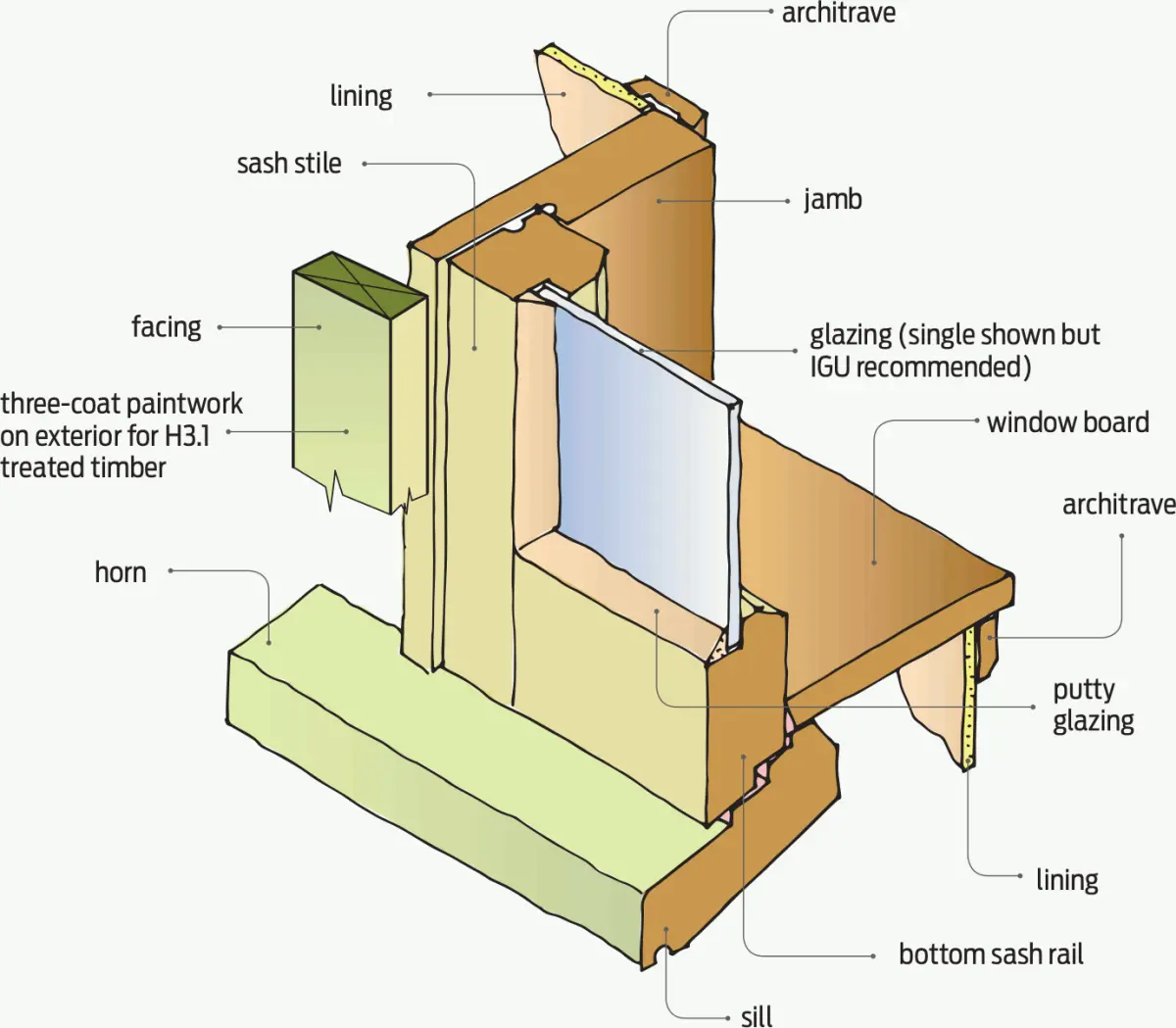
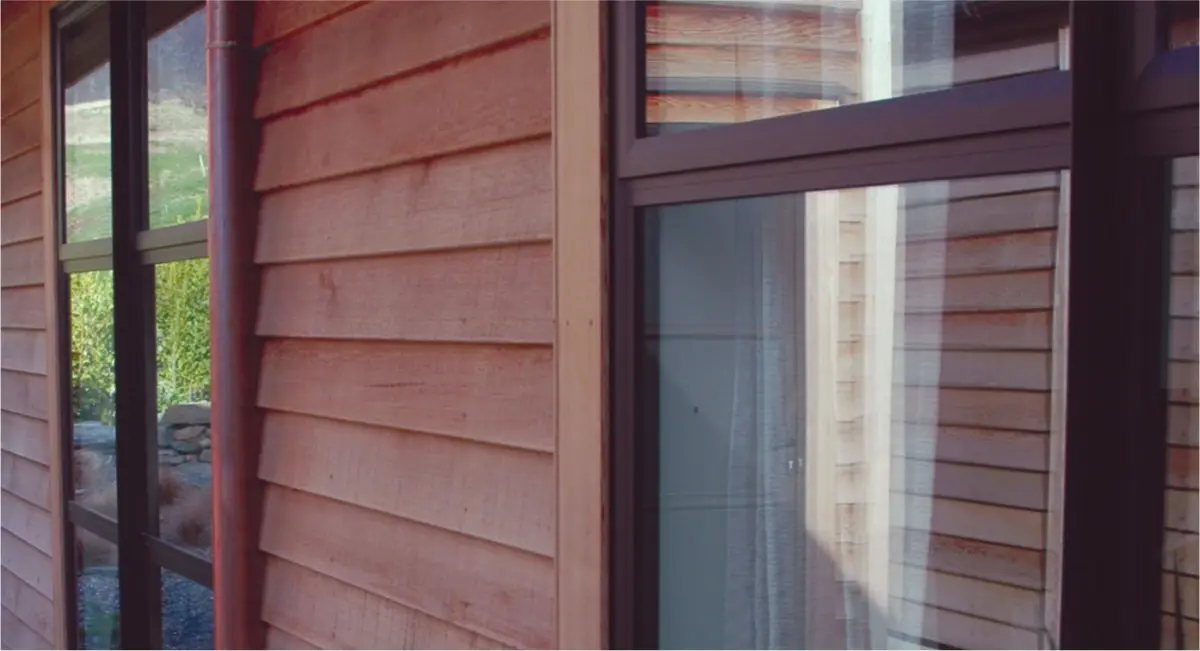
- timber (see Figure 1)
- fibreglass
- uPVC.
Within a material type, there may also be a range of options.
Aluminium
With aluminium windows, a choice must be made regarding:
- finish – anodised or powder coated
- profile
- installation methods – flange fixed or reveal-fixed
- frame construction
- opening style – bifolding, stacking, casement, awning or horizontal sliding, vertical sliding
- flange width
- corner construction
- options to deal with condensation – no channel, channel, channel with drains, channel with drains and anti-blowback flaps
- hardware.
Timber
The choices to be made for timber include:
- species – western red cedar, treated Pinus radiata clears or finger-jointed (when H3.1 treated timber, it must be fully painted), cypress (heart macrocarpa, Mexican cypress, Lawson’s cypress) or kwila
- profiles – JMF or NZS 3610:1979 Specification for profiles of mouldings and joinery
- glazing – beaded or putty
- opening style – sliding, double-hung, bifolding, casement, awning
- finish – paint, stain or clear.
uPVC
For uPVC windows, considerations include UV resistance, frame construction (typically frames incorporate a steel stiffener), hardware and finish whether natural, aluminium facing or PVC laminate.
Other factors are the opening style – inward opening with bottom pivot, outward opening awning or casement, sliding, sliding and stacking, double hung, tilt and turn – and the detail at the cladding junction.
Fibreglass
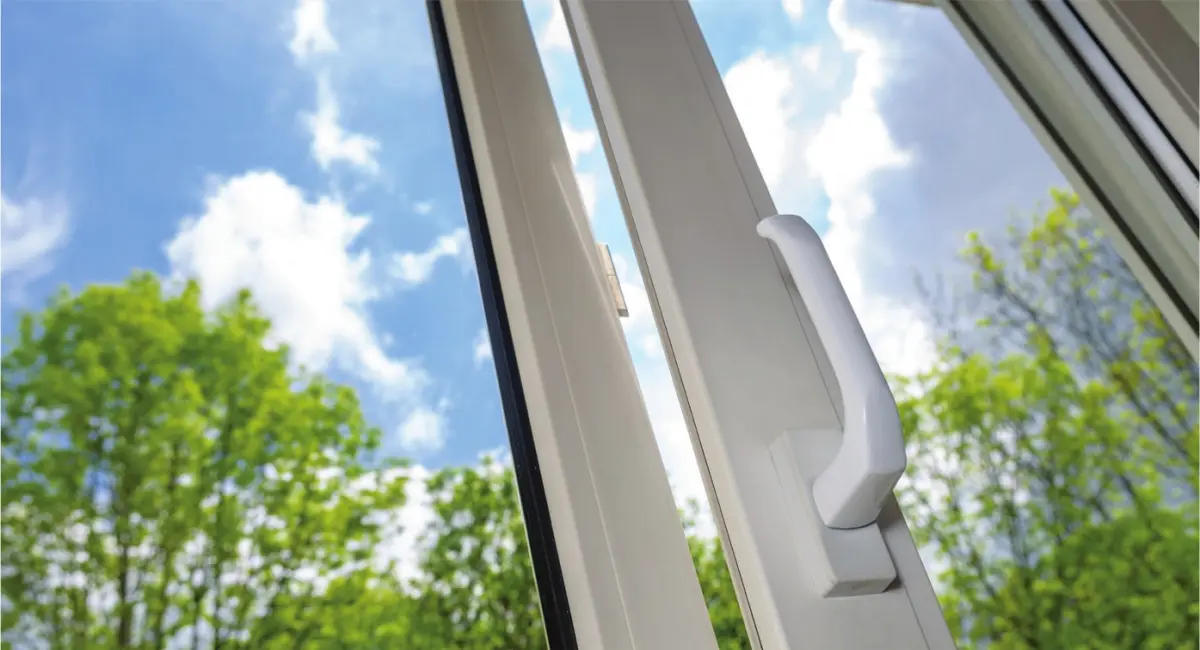
Fibreglass has recently become available as a material for window frames. These windows share the same mechanical fixing construction techniques as most aluminium windows and are available in similar profiles, window configurations, styles and colours as aluminium.
Technical development of this material continues, and it may become more widely available in New Zealand if its advantages are recognised.
Steel
Steel windows were widely used for many years in this country, principally in commercial and industrial construction. The rolled steel sections are mitre cut to the required size, the corners are welded and the weld ground to a flush finish.
At this stage, other fittings such as hinges and fixing lugs are welded on and weatherseals are fitted.