

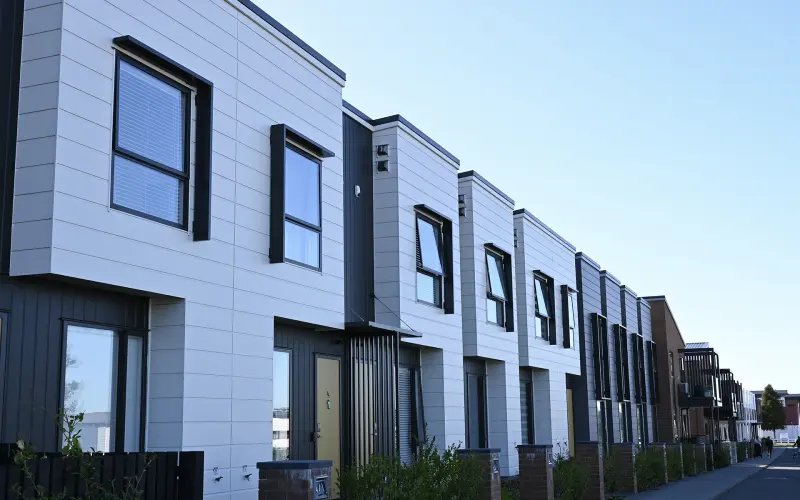


This issue of Build looks at the legislation surrounding building in Aotearoa as well as innovation. Many of the Acts are changing. Several of these changes will affect the designers and builders of multi-unit residential buildings.
What legislation will change
The Building Act, in particular, will continue to change. Changes are also on the way for the key New Zealand standards – NZS 3603:1993 Timber structures standard and NZS 3604:2011 Timber-framed buildings. E2/AS1 will also have to change with the times, as will several other clauses of the Building Code.
The Resource Management Act (RMA) is changing, slowly, into three separate Acts – the Natural and Built Environment Act, the Spatial Planning Act and the Climate Adaptation Act. The RMA has been with us for over three decades and is going to be difficult to extract out from all the other legislation. How much effect its replacements will have on the urban environment is yet to be seen.
New medium-density residential standards
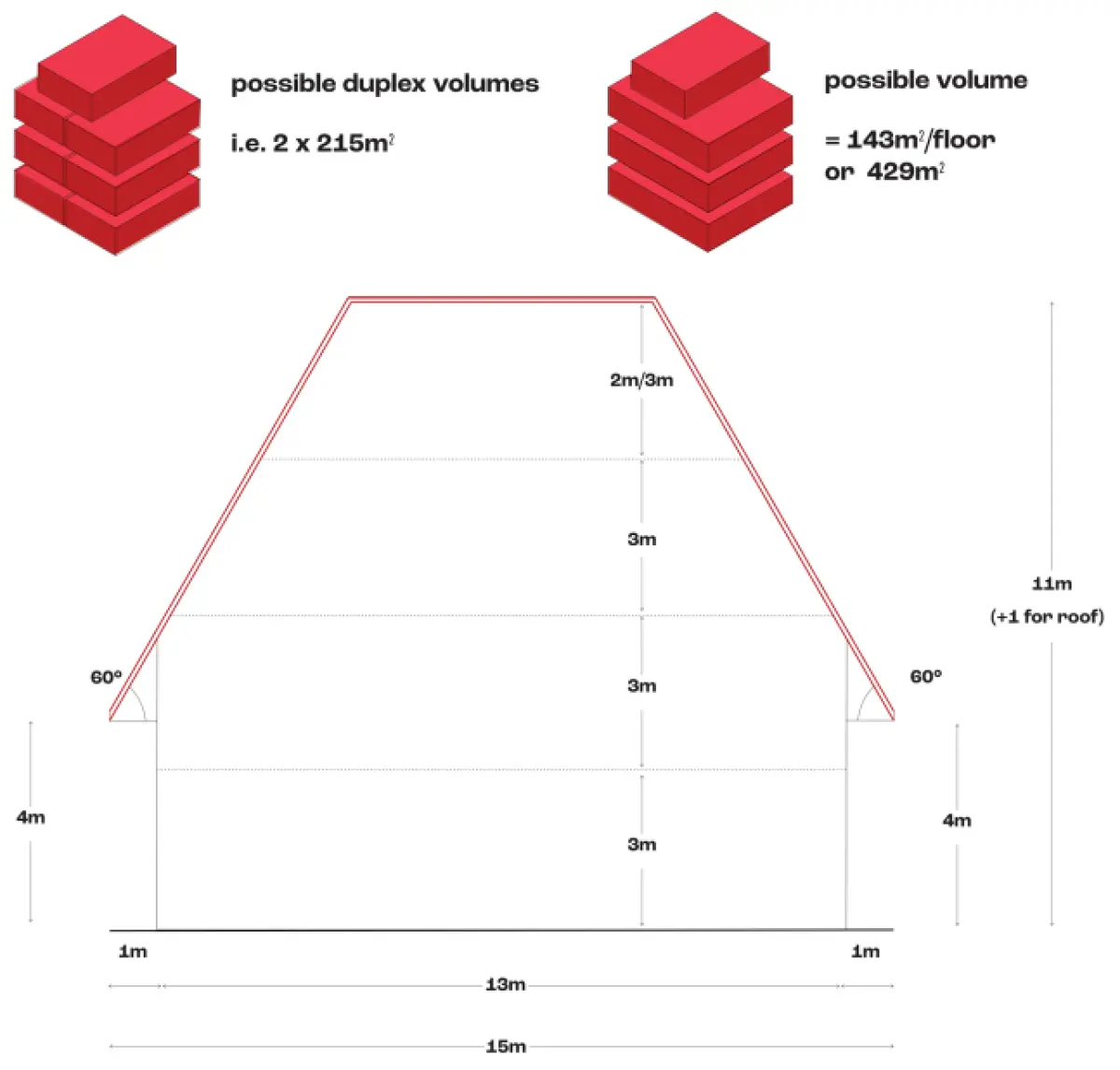
The key piece of legislation that will affect the tier 1 cities of Auckland, Wellington, Christchurch, Tauranga and Hamilton and their surrounding regions is the Resource Management (Enabling Housing Supply and Other Matters) Amendment Act. This Act permits the construction of three household units per site – each up to three storeys tall – and potentially triples the existing density capacity.
As this Act has only just come into force, we don’t yet know what the effects will look like. But one thing is certain – the decade ahead will not be business as usual.
The Act removes the ability of the local council to protest the development as well as people’s ability to object to what their neighbour has planned.
Increased density has been preapproved and objection has been removed – and as Joni Mitchell sang, ‘you don’t know what you’ve got ‘til it’s gone’. There is a big chance that some terrible medium-density housing (MDH) developments will happen with no one able to stop them – but there is also a slim chance that some developers and builders may up their game. (For more on upcoming changes to the RMA, see the article Constructing a new resource management system on pages 40–41).
Addressing densification
Increased density is here to stay for our major cities. In 10 years’ time, we may have an idea as to how this has been addressed – fingers crossed for better, not for worse.
Innovative thinking needs to happen about how to build better, which is a key aim of the Medium book project. Instead of simply building townhouses the same way as we have been building single family suburban houses made of timber framing with stuccoed façades, we must design and create new methods of housing.
These must cater to a range of family sizes and ethnicities – allowing for all our collective differences. Modern Aotearoa New Zealand is one of the most racially diverse countries in the world, so row after row of two-storey, two-bedroom, identical vanilla townhouses is not the answer.
We need to explore new, innovative ways of building. Medium has several solutions, many of which will be Alternative Solutions but all that can be used for MDH in Aotearoa.
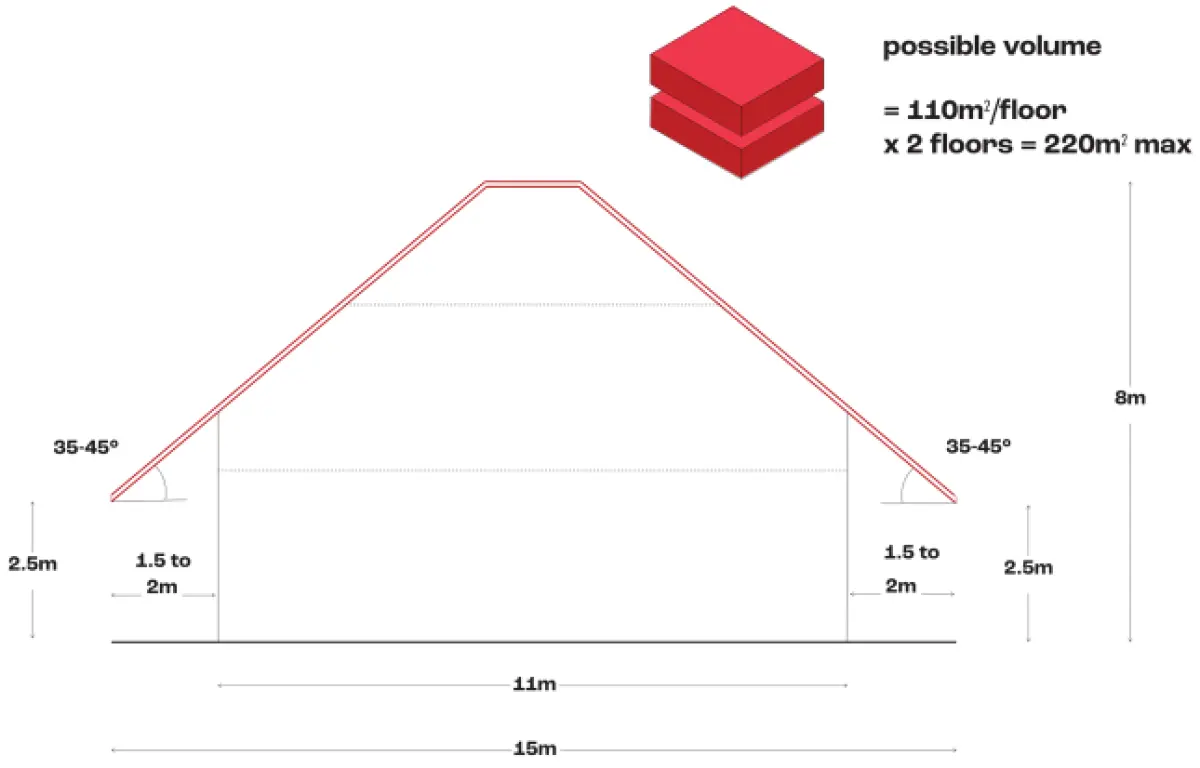
This is not just a mathematical exercise of a series of plans and details with numbers and calculations attached – this is someone’s home for many years. We need to work towards making it the best we can. There is no point building hundreds of tiny, squashed, awful MDH townhouses if they are just going to be the slums of the future.
Is that a real possibility? Yes it is, if we get it wrong. So let’s get it right then.
A new way of thinking and living
Some homeowners may lament the move away from having a big front lawn and back yard with every new house, but many first-home buyers, those with lower budgets and recent migrants to the country will rejoice at the ability to buy and live in their own properties and be happy to inhabit a smaller piece of land.
I doubt that anyone will really be lamenting the loss of their side yards, especially when they find out that a shared inter-tenancy wall can offer superior acoustic performance, better fire rating and far better security. Sunshine access will have to be cleverly guarded – possibly with the advent of more courtyard housing than we have had before.
Parking and refuse collection is a huge issue, and solving it may change the way that our cities work. High-density housing solutions demand rapid public transport solutions, while medium density requires fewer cars.
Room for expansion
However, we need to innovate even wider than this. We need to see this as an opportunity to make Aotearoa a better place, and for that, we will require better building advice and a lot more experience.
For those currently looking at NZS 3604:2011 and the Building Code for constructional advice on how to build MDH with better-quality rainscreen façades and fireproof inter-tenancy walls and floors, the solutions proposed are outdated and due for replacement.
The slow-grinding machinery of government will no doubt catch up with the speed of the market changes we are already seeing on our streets, and we must now plan for the future.
In the meantime, Medium can help as it has plenty of innovative solutions from industry partners.