


Adequate ventilation of a building’s subfloor area allows drier outside air to flow through the space, removing ground moisture and keeping it fresher, healthier and drier. However, the balance must be right as too much ventilation combined with insufficient insulation can lead to unwanted heat loss through the floor.
While the vast majority on new homes today are built on a concrete slab-on-ground, around 1.2 million existing homes have a suspended timber floor.
Check annually for problems
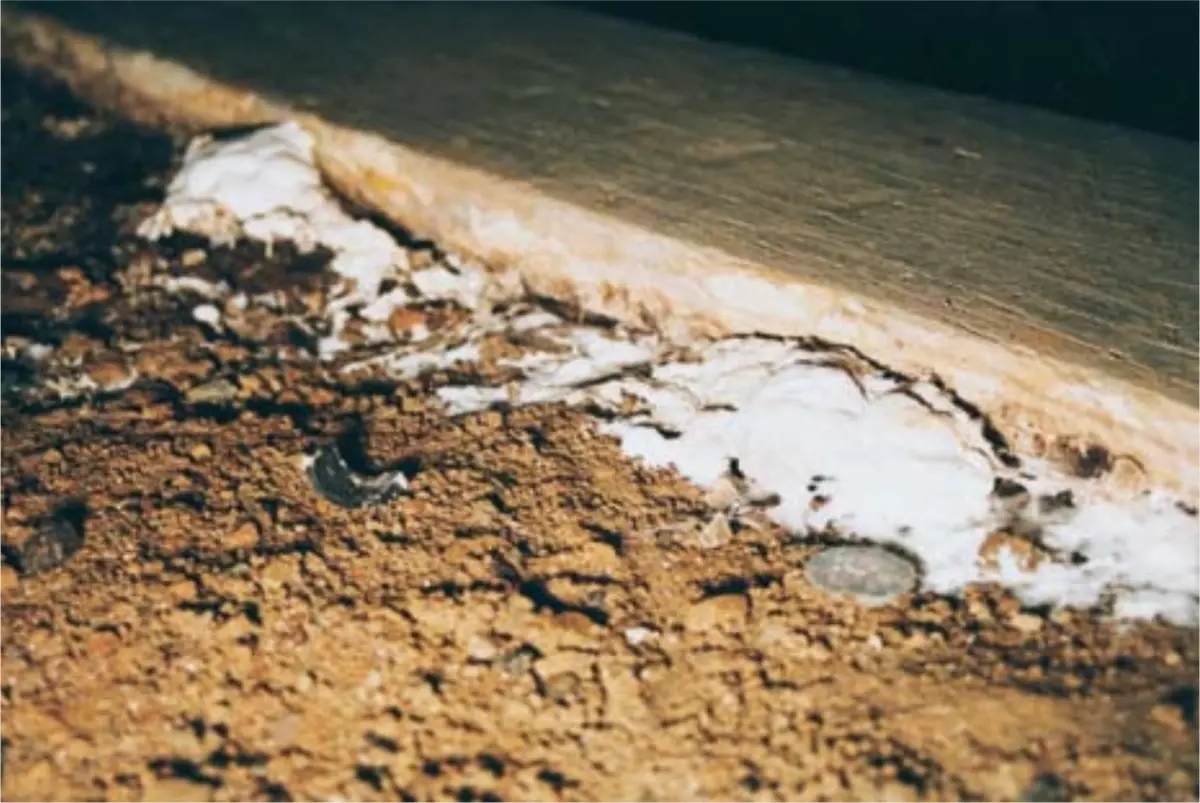
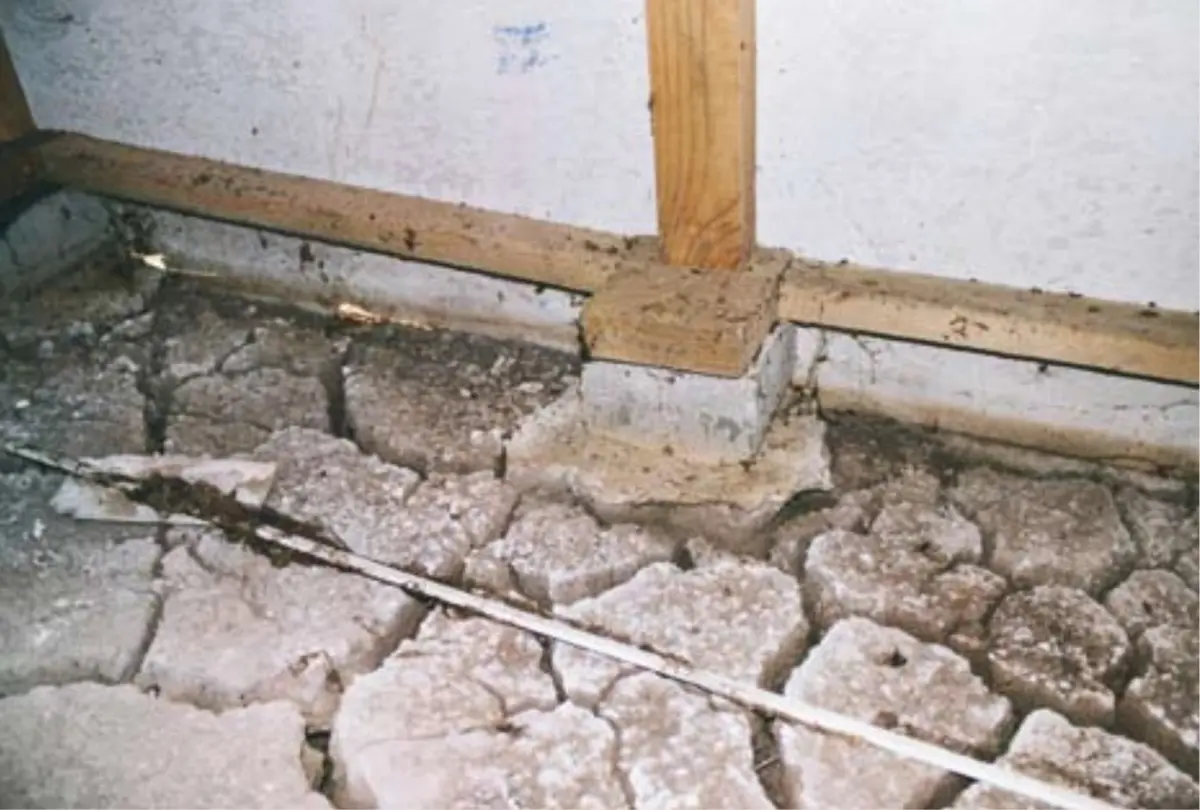
Lack of underfloor ventilation can lead to:
- fungal and mould growth, and timber decay
- borer attack
- corroding fasteners and metal fixings
- rising damp and general home dampness with associated health problems
- a musty smell
- persistent condensation and/or mildew on inside windows, walls, ceilings or furniture
- noticeable sagging of floor joists and sagging and swelling of particleboard floors
- bubbling under vinyl or rotting of carpet.
BRANZ recommends that a check of the subfloor space is undertaken annually as part of normal house maintenance.
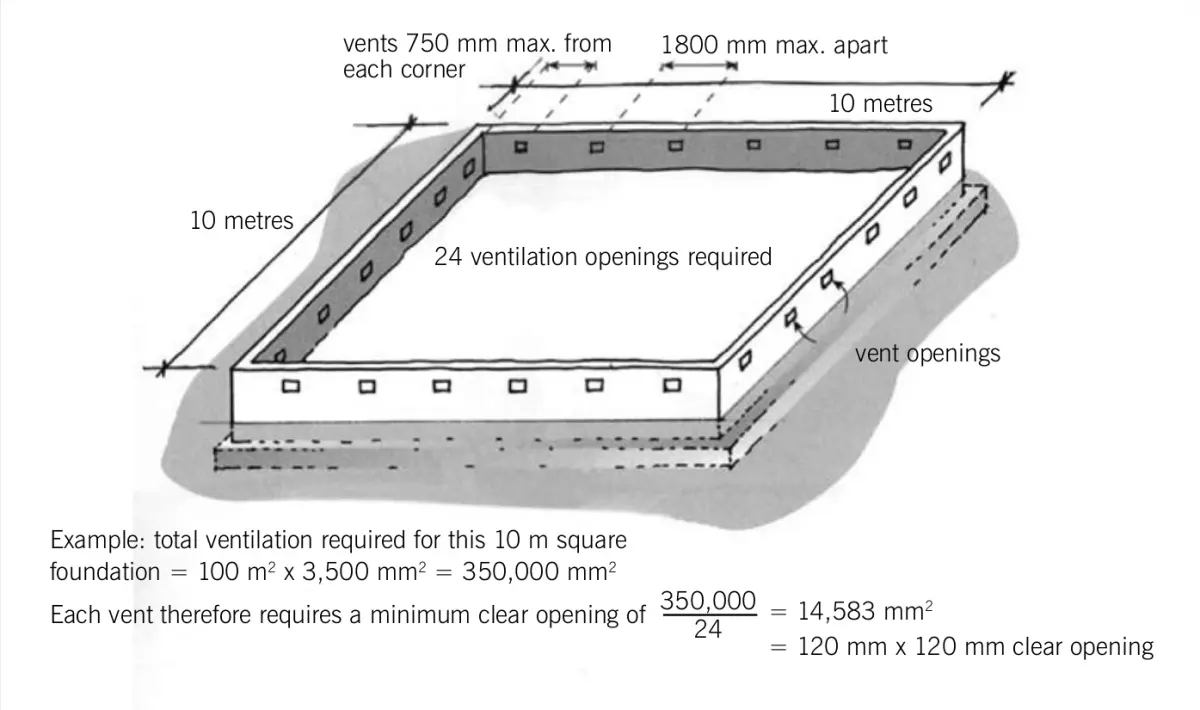
Ventilation should be located as near as possible to the underside of the timber floor structure (plates and bearers) and should be spread evenly around the entire building to allow cross ventilation (see Figure 1).
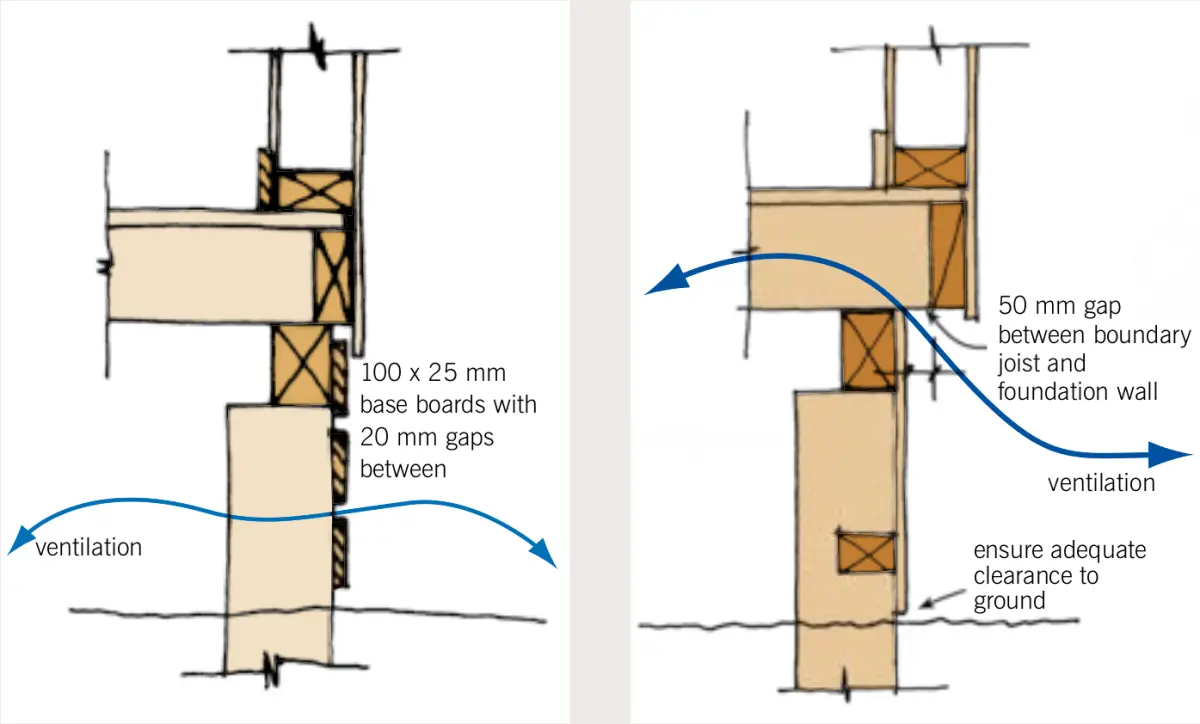
Figure 2 gives two options for providing ventilation in a timber-framed foundation. Providing additional ventilation to improve it, in this situation is typically straightforward as the integrity of the structure is not generally affected.
What is the open area of a vent?
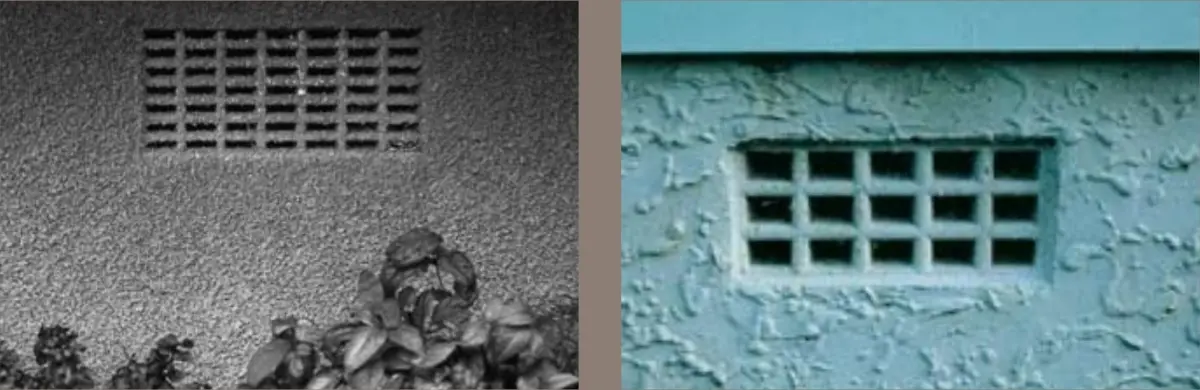
The net open area of a vent is the actual free area through which air can pass. When calculating, exclude the area taken up by vermin proofing, framing and any decorative coatings. A detail of the vent should be provided at the design stage.
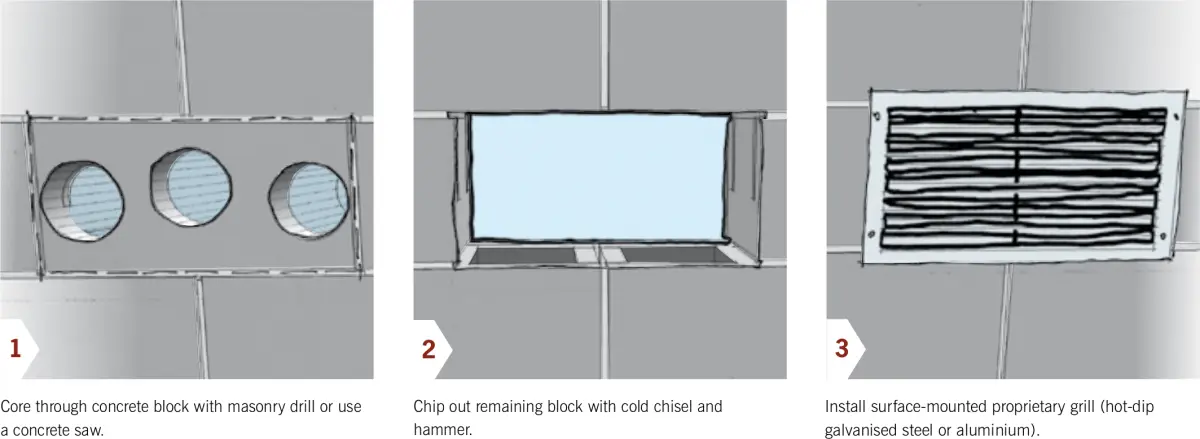
Concrete foundations, however, require more care. When cutting additional ventilation openings in concrete and concrete masonry foundation walls, it is important that openings are not formed in the top course of the blockwork and that reinforcing is not cut. Figure 3 gives one option for increasing the ventilation in a concrete foundation.
In situations where the ground is still wet even after improving ventilation, or where additional ventilation is difficult to achieve, the ground under the building should be covered in polythene sheeting.
How much is enough?
NZS 3604:2011 Timber-framed buildings states (in subsection 6.14.1) that “Ventilation openings shall be not less than 3500 mm2 per m2 of floor area and evenly distributed around the foundation perimeter.” While this applies specifically to new construction, it is a good target for anyone remediating the subfloor ventilation of an existing house.
NZS 4246:2016 Energy efficiency – Installing bulk thermal insulation in residential buildings gives guidance for installing an on-ground vapour barrier that will help keep the subfloor space drier.
IS THE SUBFLOOR DAMP?
To get an idea of subfloor moisture levels, get some dirt from under the house and rub it firmly on your hand. If the dirt stains, like mud, there is probably too much moisture. To rectify this BRANZ suggests that you should:
- clear the subfloor of any obstructions like stored timber or rubbish
- uncover any vents that may have been blocked by garden soil or plantings, or to keep pests out
- ensure that water after rain does not flow under the house, check guttering, downpipes, plumbing under the house and drains
- check the clearance of wall claddings above the adjacent ground (this can also contribute to a lack of ventilation and dampness).
If the subfloor is still damp install more vents or cover all the ground under the building with polythene sheeting. Polythene should be laid with sheets lapped by 150 mm, cut neatly around piles and closely butted against the perimeter wall. Rocks or bricks can be laid on top of the sheets to hold them in place.