

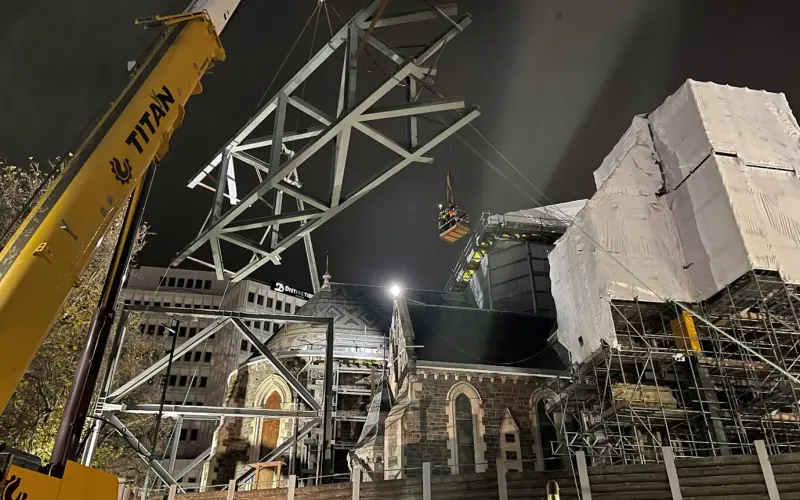


I opened a news app last month to a headline that caught my attention, ‘Nowhere is immune from earthquakes’, which covered recent tremors in Northland, a region more familiar with floods and storms than seismic activity.
It was a timely reminder that nowhere in New Zealand is immune. Even in lower-risk regions, earthquakes can happen at any time. That reminder comes as the rules around earthquake-prone buildings begin to change.
Over the past decade, seismic strengthening has driven upgrades to several older buildings across the country, shaped by legislation introduced after the Christchurch and Kaikōura earthquakes. Nearly ten years on, that system is being reviewed and reset.
What’s changing is how seismic risk is regulated. What isn’t changing is the risk itself.
A shift in the rules
The earthquake-prone building system sets out which buildings must be identified and strengthened under the law. Since it was introduced, it has been criticised for being costly, complex and, at times, disproportionate.
In response, the government has introduced the Building (Earthquake-prone Buildings) Amendment Bill, currently before select committee following its first reading in late 2025. If passed, fewer buildings will be legally required to strengthen, reducing compliance costs and regulatory hurdles.
Key changes include narrowing the focus to higher-risk buildings, removing some regions from the system, targeting retrofit requirements to risk and allowing deadline extensions.
In simple terms, around 55% fewer buildings would be classified as earthquake prone. Those that remain would face less demanding retrofit requirements, without needing to address fire and accessibility upgrades at the same time.
This will make compliance simpler and, in theory, cheaper. But it would be wrong to see this as seismic strengthening becoming less important.
The risk hasn’t gone away
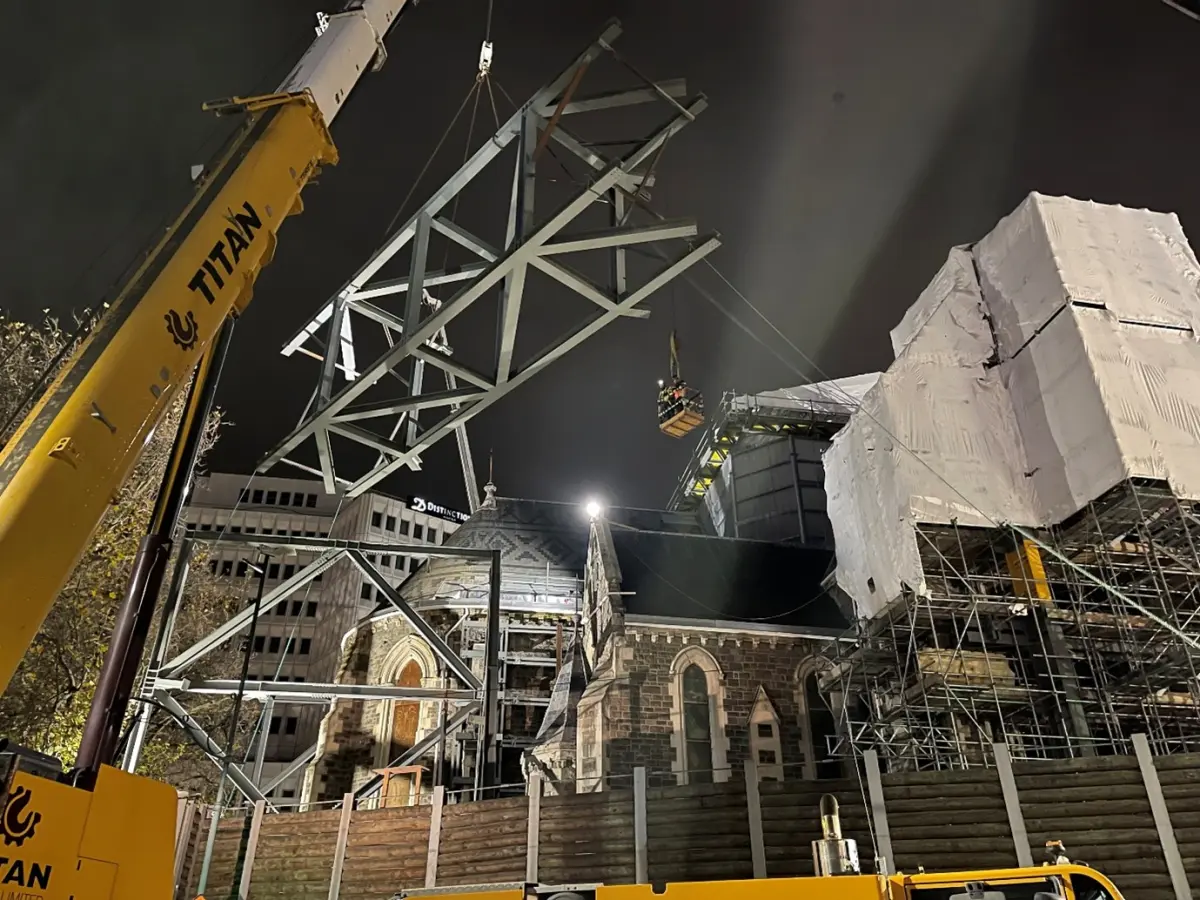
Despite proposed changes, New Zealand’s earthquake risk hasn’t reduced. Recent research from GNS Science shows seismic hazard in many parts of the country is higher than previously thought.
For existing buildings, that risk already exists regardless of what the legislation says.
That’s why many owners continue to strengthen their buildings even when not legally required. The drivers are practical and commercial:
- tenants expect minimum seismic performance
- insurance can be harder to obtain or more expensive
- buildings with known weaknesses are harder to sell or refinance
- owners remain conscious of safety and reputation
- business disruption after an earthquake can be costly.
Even if the law changes, the real-world consequences of seismic risk remain.
Why seismic upgrades cost more than you'd expect
One of the biggest barriers to seismic strengthening is cost. A common assumption is that the expense comes mainly from structural work. That’s often not the case.
Most older buildings were never designed to be strengthened later. Structural elements are hidden behind ceilings, walls, services and finishes. To access them, those layers must be removed and then reinstated.
As a result, a large portion of cost sits in enabling works, including:
- moving or protecting services
- keeping buildings operating during construction
- removing and reinstating finishes
- temporary access and safety systems
- working around tenants.
These works often cost more than the structural strengthening itself and are difficult to avoid when upgrades are treated in isolation.
A smarter way forward
While changes to the law may reduce minimum requirements, they give building owners more choice. Buildings requiring seismic work are often due for other upgrades, weatherproofing maintenance, services renewal, fire improvements or fit-out changes. When these are planned together, disruption is reduced and costs are better managed.
It shifts the question from ‘How do we do the cheapest seismic upgrade?’ to ‘How do we get the most value while work is already underway?’
In some cases, that means completing all works at once while a building is unoccupied. In others, it means staging upgrades over time to align with refurbishment. Either way, planning makes a difference.
Why experience and early advice matter
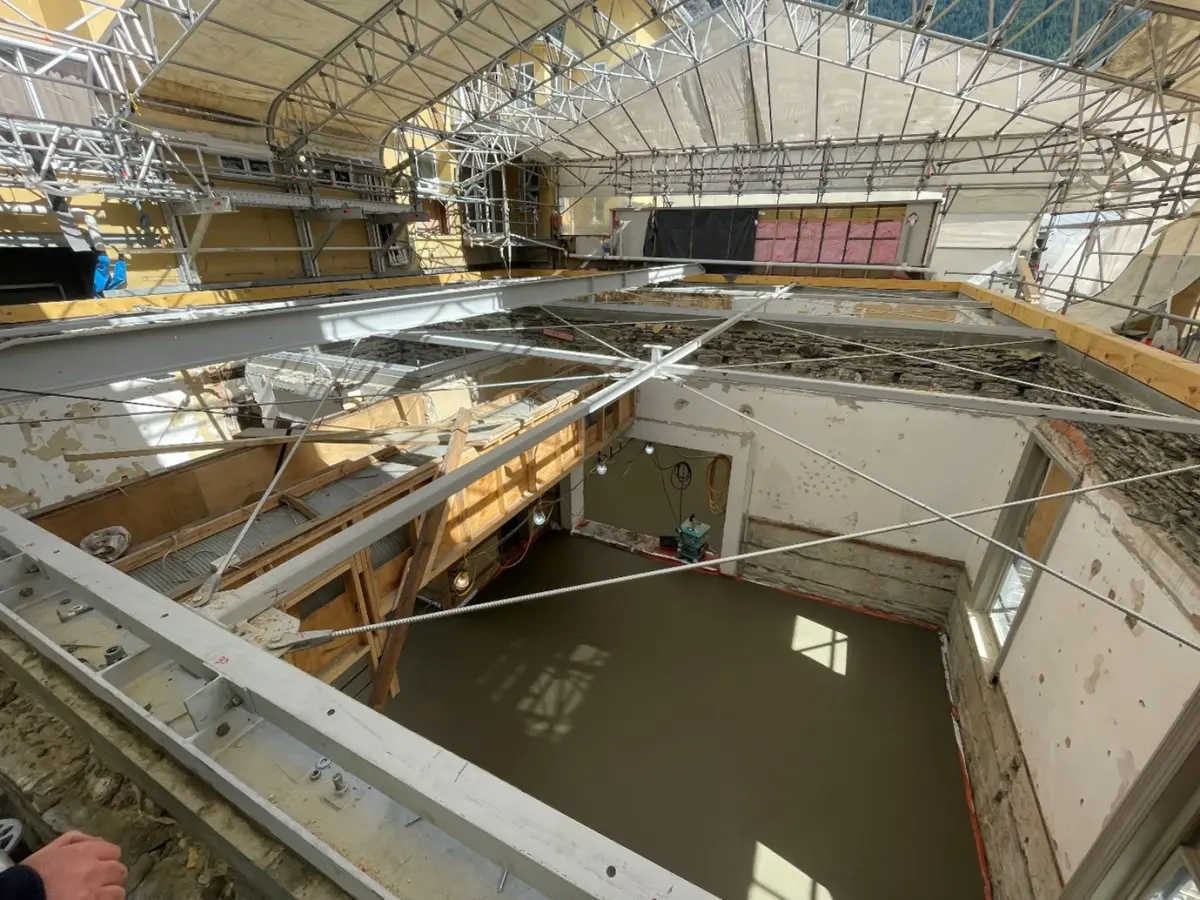
Seismic strengthening projects are rarely straightforward. They are typically delivered within existing, often occupied, buildings where the greatest challenges are disruption, access and coordination. This is where experience becomes critical.
At Naylor Love, we have delivered seismic strengthening projects from smaller commercial upgrades through to complex heritage and base-isolated buildings. One consistent lesson is that many of the biggest costs and risks can be avoided, or reduced, when construction input is brought in early.
Early engagement helps owners understand how work will be carried out, how disruption can be minimised, and how seismic upgrades can align with planned maintenance or refurbishment. These early conversations often lead to more practical solutions before designs are finalised, saving time, cost and complexity.
What this means for building owners
Seismic strengthening in Aotearoa New Zealand is evolving, but it is not going away. Earthquakes remain a constant, and so do the commercial realities that come with them.
The opportunity is to take a more proactive approach – not simply respond to legislation, but planning upgrades to improve safety, performance and long-term value. Done well, seismic strengthening does not need to be a burden but a smart investment in the future of our buildings and the people who rely on them.
Cameron Belliss is a Chartered Professional Engineer and Preconstruction Engineer at Naylor Love, specialising in seismic strengthening, construction planning and the delivery of complex building projects across New Zealand.