

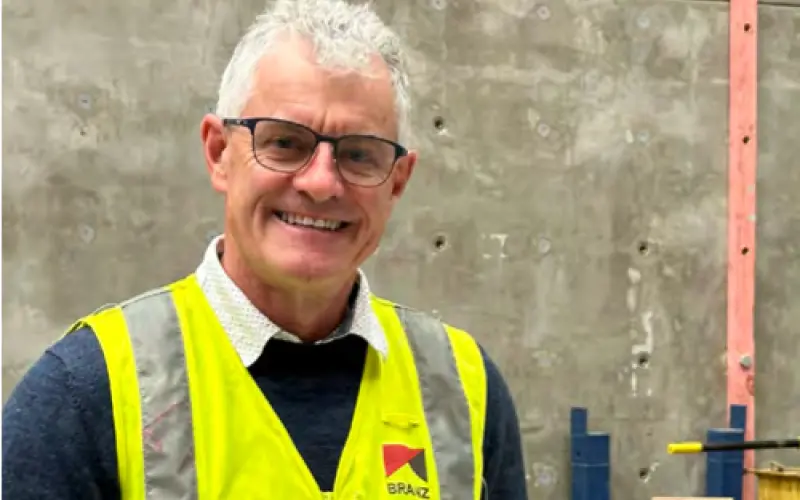


Q. What is your background – education and recent work history?
I began my career as a sports physiotherapist, high-performance director and elite triathlon coach. This included 20 years working in high-performance sport and leading teams of specialists and technical experts to support the performance goals of athletes and teams on the world stage.
The roles were across multiple sporting codes, including triathlon, winter sports and cycling – leading teams to six Olympic Games, four Commonwealth Games and multiple world championships. A major project was moving the New Zealand Cycling programme into the new velodrome in Cambridge – a 5-year project from concepts of design with the community and build phase through to moving athletes, staff and their families to a centrally based training environment.
In the last 4 years, I led a team of regional managers working on the 2020 election and then assisted the design and implementation of a national strategic measurement framework for school principals. Latterly, I made a connection with BRANZ through an HR company that recognised my transferable skills into the team environment at BRANZ. I have now completed a year at BRANZ supporting the set-up of the new structures lab.
Q. When you studied, did you have in mind you would work with elite athletes?
My interest in physiotherapy (I have a physiotherapy degree and postgrad in sports medicine) grew when I trained for Ironman and Coast to Coast. I was frequently injured and spent a lot of time at the physio. I was fascinated by how to prevent injury and accelerate return to performance. This is a principle throughout my career – looking at current operating models, how to make improvements and how that can be delivered in actions and execution of performance.
From working as a physio and managing teams on the international stage, it was a natural evolution into coaching. For the last 15 years, I have coached as a volunteer and at an elite level. I have coached and managed incredibly talented athletes, including 10 years coaching double Olympic medallist Bevan Docherty. It wasn’t the plan when I started my degree to attend multiple Olympic Games – that was just the destination of the people I was supporting.
Q. Working with Olympians, what are the most important attributes of a team and how does that correlate to the business environment?
There are multiple attributes of Olympic champions and the team behind them. The most important correlating to both sport and business outcomes is to do with accurate self-correction. Athletes deliver world-class performances through both failure and success. In the media, we see success or significant failures where expectation and hype create a moment of learning for the athlete. We don’t see the assessment, reviews and learning by the best athletes and their coaches to adjust and develop performance to world-leading standards.
The best learn from their wins and mistakes and are constantly assessing their performance gaps. They make direct changes by reflecting, reviewing, modifying and applying these learnings to enhance future performance. They don’t do this alone – they build a trusted team around them to challenge direction, consider alternatives or embed the critical factors.
Successful business outcomes are the same – success comes from an aligned team looking to always improve ways of doing things no matter how small. This is what I really enjoy about working within BRANZ. The organisation is always looking at ways to improve what we do, researching better options for housing efficiency and testing new products that will have a positive impact on the building system.
Q. How does your experience working with high-performing sportspeople translate to working with structural engineers at BRANZ?
There are multiple parallels between business and sport. Working with a team of engineers who are specialists in their field and have years of experience, knowledge and industry application is the same as working with a world-class group of biomechanists, physiologists or coaches.
These specialists have the knowledge and experience – the focus is to ensure the team is aligned and is clear on the priorities and outcomes for the client. In sport, the client is the athlete. It is all about creating a supportive framework for the athlete to succeed. New Zealand athletes operate with limited budgets and opportunities to perform so coaches and support staff must be very focused on what will make the best performance difference.
In business, the approach is the same – how can the collective work as a team to get the best outcomes with the limited resources available? We are fortunate at BRANZ to now have a new and larger testing facility. This requires us to work hard on how we can best optimise its capability with the resources we have.