


Deciding what and how to build, whether to demolish or renovate, what materials to use, and the design specifications for construction all impact of waste created during the project.
During the early stages of a project, the design team has a great opportunity to make waste minimisation a key activity by:
- getting the client onboard and shaping the project brief together
- collaborating with the team through the design and construction process
- setting clear goals for minimising waste
- researching and collecting relevant information
- carefully considering site development
These principles of waste reduction should be made a priority every step of the way through:
- concept design
- detailed design
- building material and product selection
- design documentation
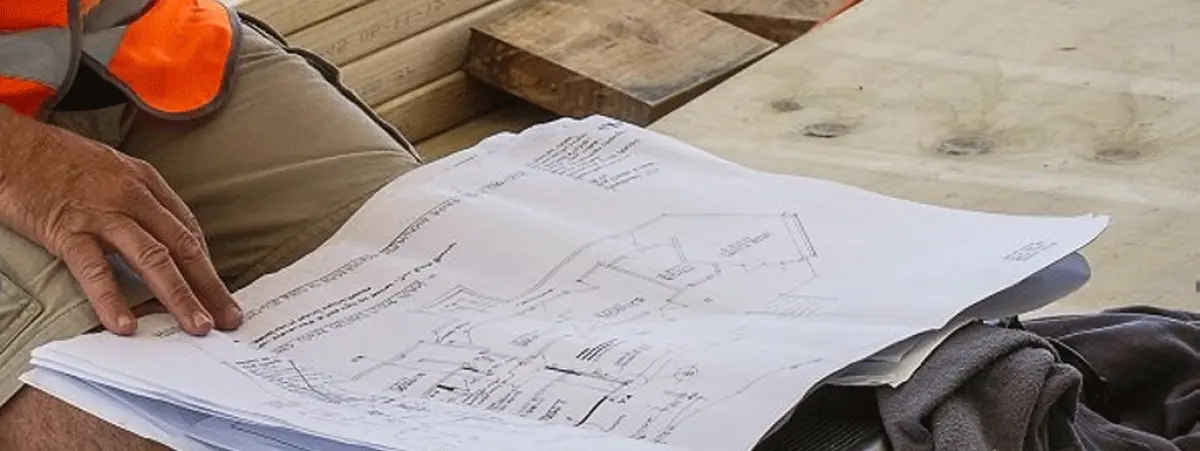
Engaging with your client
Team building
Working together as a team is key to cutting down waste. By getting everyone involved – the client, builder, designer, and anyone else in the mix – you can come up with some great ways to reduce waste, save time, and keep costs down.
Site investigation and development
It is important to conduct a thorough site investigation before moving forward with any development. Understanding the existing conditions of a site can help prevent excessive design variations and overspecifications, which could result in unnecessary waste. It’s also important to take any existing buildings into account when planning your development.
Concept design phase
To minimise waste when defining the building type, function, core materials and core design, consider the following:
- plan for end use and deconstruction
- make sure the design meets the actual needs of the building owner or occupiers to avoid overdesign, and use of excess materials
- keep the design simple to make construction easier and less likely to have things go wrong. Simple designs also reduce maintenance needs
- keep flexibility in mind when designing your building, so it can be easily adapted for different uses over time. Consider the future of the building, how it will be used in 10, 20, or even 50 years’ time. Future proof your design for any advances in technology and trends, such as charging for electric vehicles
- choose materials that are durable, recyclable, and consistent with the building’s expected lifespan
- use prefabricated and precut components wherever possible. Resource use is generally more efficient at the manufacturing site
- plan the building to reduce vegetation clearing and earthworks. Consider piles and suspended concrete, timber, or metal floors, especially on sloping sites to avoid excess excavations for slab floors. Reducing disturbances to the land reduces waste, the ecological damage and resource use
- involve constructors early on to minimise temporary works, they can provide valuable insights into alternative methods and materials
- less is more. Design for simplicity, and find low-technology solutions where possible