



Quality issues have been a thorn in the side for builders and clients alike for decades, and in Aotearoa New Zealand, the financial toll is staggering. What if we could foster a culture that actively prioritises quality?
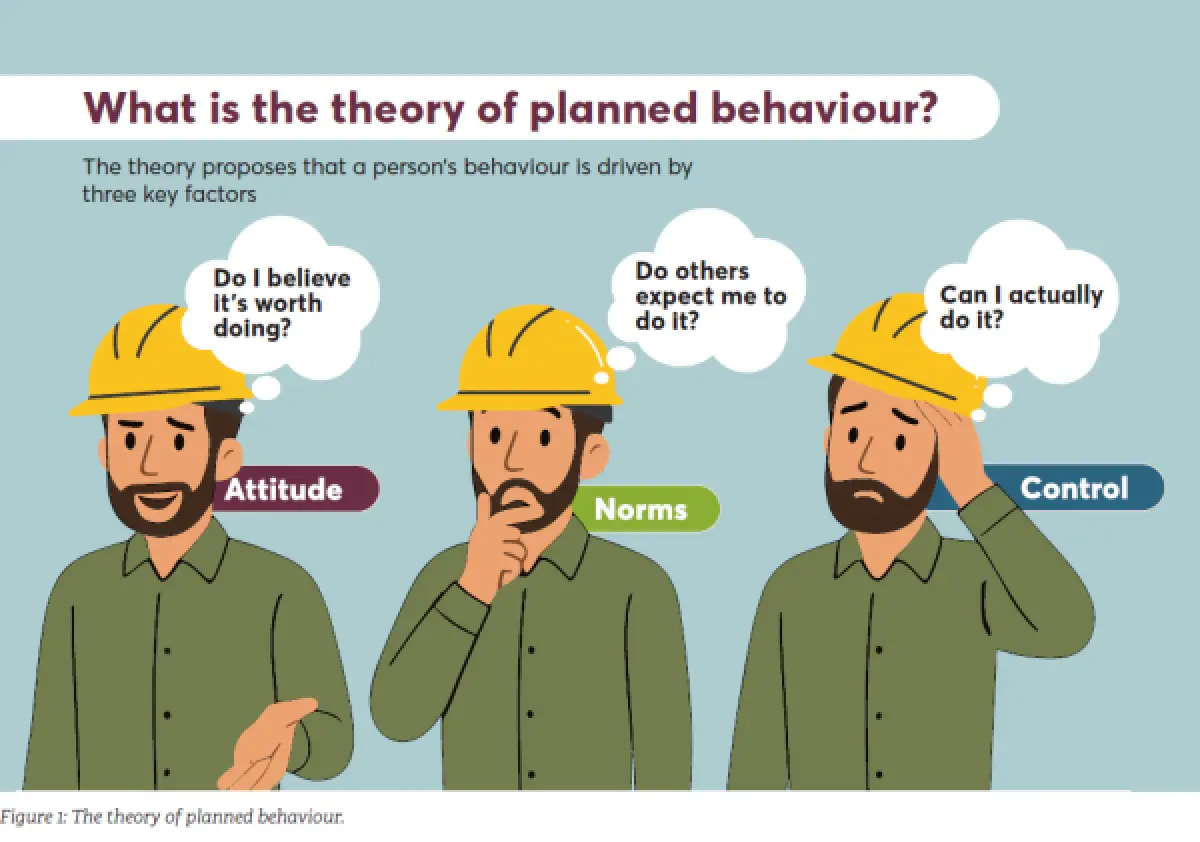
The theory of planned behaviour (Figure 1) has been used to design and evaluate the effects of behaviour change interventions in many contexts – from increasing physical exercise to managing drug use.
Our research seeks to understand whether this well-known psychological model might offer answers to how we can shift attitudes and behaviours towards a right first time mindset in the residential construction sector.
What the theory suggests
If a worker has the belief in doing the job right first time, they are likely to manage quality proactively, for example, double-checking measurements. If they believe such behaviour will lead to positive outcomes – they have a favourable attitude – they are more inclined to develop a strong intention to do the job right first time.
If they believe it’s the norm – they think that their significant others such as colleagues or supervisors endorse and value doing a job right first time – this further reinforces this intention.
Finally, if the worker thinks they have the necessary tools, knowledge and information to ensure quality work from the outset, their control increases, sustaining their firm intention to perform the behaviour consistently and effectively.
What our research found
We interviewed 62 construction professionals to understand how these three factors play out on the construction site.
Attitude: why quality matters
Proactive quality management is widely recognised for its potential to reduce costs and improve overall efficiency within the construction industry. In addition to these operational benefits, it also enhances a company’s reputation and fosters greater trust among clients. However, balancing the competing priorities of cost, time and quality remains a persistent challenge, particularly in projects with aggressive schedules.
Tensions often arise when project teams do not share a unified commitment to maintaining quality standards, leading to friction and potential compromises in quality outcomes. On an individual level, the practice of right first time can offer tangible benefits for workers, including greater job security, opportunities for career advancement and higher pay.
Norms: what others expect
Participants emphasised that pride in their work serves as a key motivator for striving for right first time. Client support – such as providing adequate project timelines and clear expectations regarding quality – was highlighted as essential in fostering motivation.
The importance of receiving constructive and timely feedback from peers, supervisors and managers was identified as a significant contributor. Family approval and admiration also play a crucial role, as workers aspire to provide financial security and earn their firm’s pride – reinforcing their dedication and commitment to work.
Control: tools, training and planning
Apart from having the right and effective tools for performing their tasks, the participants emphasised that the ability to plan work activities is essential for aiming for right first time. Real-time updates on project progress are particularly critical for accurate forecasting and planning of materials, equipment and human resources so the dynamic flow of information is fundamental to effective project planning and execution.
The importance of comprehensive training and knowledge transfer is highlighted to support right first time, including practical skills training, education in quality management best practices and digital literacy for modern construction environments. Mentorship programmes were also recognised as vital for facilitating knowledge transfer across different trades, ensuring that expertise is effectively shared and sustained within the workforce.
Recommendations for change
Based on the research, there are three practical ways to build a culture of right first time in residential construction.
1. Shift the culture
The current portrait of the residential sector as low quality and with low productivity undermines workers’ pride and diminishes motivation. Building a positive perception of the industry and highlighting its achievements, professionalism and commitment to excellence are essential for fostering a culture of pride and accountability among workers – critical to achieving right first time.
The competitive, cost-driven nature of residential construction hampers recognition of intangible benefits such as reputation and worker wellbeing. The industry needs to look beyond short-term costs and focus on long-term benefits.
2. Break down silos to foster collaboration
Training programmes that promote cross-disciplinary curiosity are vital for breaking down the silo mentality in skills development. Soft skills such as communication, leadership and work ethic are crucial for adaptability but are often underdeveloped in current curricula, requiring targeted interventions.
Continuous engagement with professional bodies and role-specific training can equip the workforce for proactive quality management and ongoing improvement. Additionally, expanding cross-trade mentoring and business development programmes can foster collaboration. Together, these efforts can help dismantle siloed thinking and promote a culture of shared goals in quality management.
3. Embrace technology
Adopting transformative technologies can be slow, especially among small and medium-sized companies, mainly because of high costs and the need for new skills. To help these firms, solutions like real-time monitoring systems and mobile kiosks should be carefully designed in partnership with research and tech providers, ensuring they meet the specific needs of smaller businesses. It’s also essential to evaluate what level of accuracy and skills are needed so these tools are practical and valuable.
Cultural shift needed
The findings from this research highlight that improving quality requires more than just a set of guidelines. It calls for a cultural shift within the industry and organisations. By fostering a positive culture that values quality, we can save costs and build trust and satisfaction among clients, paving the way for a more successful future in residential construction.