

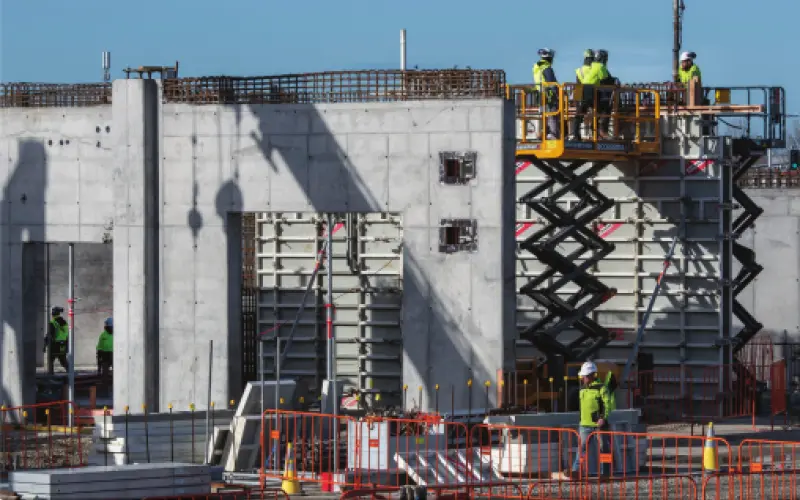


The construction sector traditionally follows a boom-and-bust cycle – one minute, the skies are clear and buildings are rising fast, the next, a chill sets in.
What the experts are saying
In early August, some Baker Tilly Staples Rodway business advisors provided analysis and outlook for the sector, showing that work pipelines are running dry everywhere.
Insolvencies are up, thanks to delays caused by COVID-19 supply chain issues and labour shortages, which have sometimes triggered contractual demands for damages from lead contractors. Higher borrowing costs and difficulty getting finance have created the perfect storm, while Inland Revenue is actively pursuing unpaid taxes.
The view from Christchurch
In Christchurch, residential building shows signs of supply exceeding demand in some areas such as apartments, creating a general slow-down, although we are seeing ongoing domestic and international migration.
Some people are walking away from their new-build house deposits as banks tighten their lending criteria or if they don’t have fixed-price contracts.
Meanwhile, some developers who have already purchased bare land are delaying projects until the market and banking environment improve, although social housing projects are providing substantial work within the city. In the commercial sector, projects like Te Kaha stadium and the Metro Sports Facility are keeping demand steady. However, with increasing numbers of tradies shifting from residential, rates are sometimes being reduced to compete on smaller-scale projects.
This area remains strong in general, though. An increase of people leaving for Australia or elsewhere in Aotearoa, particularly Hawke’s Bay, to assist with cyclone recovery work has been seen.
On a positive note, businesses that made it through COVID-19 are the survivors, so there’s not the same trepidation as before. Everyone’s just proceeding with care.
The view from Hawke’s Bay
Despite predictions of a post-cyclone boom, Baker Tilly Staples Rodway Hawke’s Bay director Libby O’Sullivan says social housing and civil works involved in the clean-up are largely powering the Hawke’s Bay market. With insurance claims likely to take a while to come through, any boom will potentially be another year away.
Both residential and commercial sectors have seen a drop-off, with high interest rates halting projects at the feasibility study phase. Wet weather has also delayed existing projects.
‘It’s concerning that clients who used to have work behind them don’t now,’ Libby says. ‘However, for those larger businesses that are still holding steady, there are opportunities to recruit staff from smaller businesses that are having to let people go, and that’s something I’ve been seeing more often.’
The view from Auckland
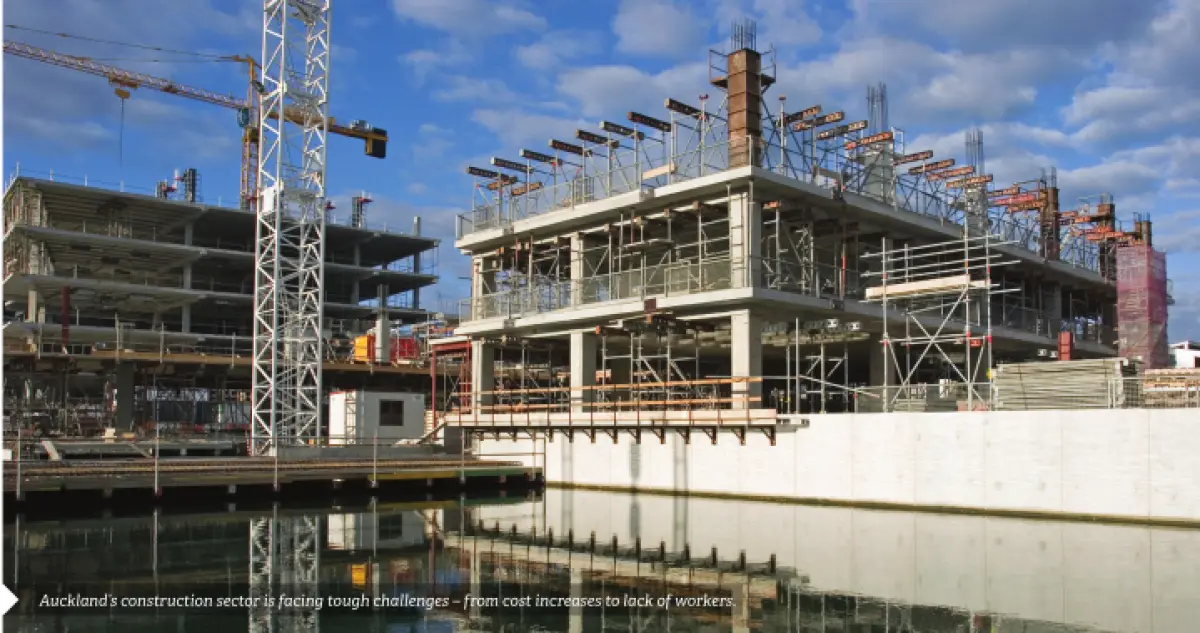
In Auckland, medium-sized civil contractors and speculative builders have mostly felt the impact so far, according to Baker Tilly Staples Rodway Auckland director Tony Maginness.
‘There’s been an increase in insolvencies, primarily in the construction sector, which is now also affecting property development. The storms led to an increase in civil contracting work, but the machinery is often financed, so that – along with the wet weather during summer and winter – has meant they haven’t been able to operate to full capacity.’
Baker Tilly Staples Rodway client Teak Construction agrees that, while they have good work and a great team of people, the situation is much tougher than expected. Budgets supplied by quantity surveyors no longer cover the full scope of their clients’ projects due to increased compliance, labour and material costs. Challenges with design approvals are resulting in increased legal fees. Despite the slow-down, a lack of skilled workers, from consultants to carpenters and construction management teams, is still causing issues.
‘This will only be dealt with in the short term by immigration. However, at this point in time, why would people come to Aotearoa rather than Australia, where wages are higher?’ says managing director Wayne Birchall.
A brighter note
Despite the gloom, Tony says the market could recover on a dime if interest rates fall or migration sparks greater housing demand. He also says businesses that build in good margins will set themselves up for stronger outcomes.
‘Don’t try to make up any shortfall on variations. And if you can, take bonds or guarantees,’ he advises. ‘Construction always follows a boom-and-bust cycle. The boom will come back for those who take the right measures now.’
Baker Tilly Staples Rodway Taranaki managing director Daimon Stewart recently spoke to a building client who is nearing retirement. That client said builders have gone through numerous boom-and-bust cycles, but the last peak was probably longer than ever.
Younger builders who came into this boom time have never experienced an industry downturn, so it’s a shock to their system, whereas the ones who’ve been around the block a few times know how to play the game. Those who haven’t experienced it should talk to those who have, says Daimon.